
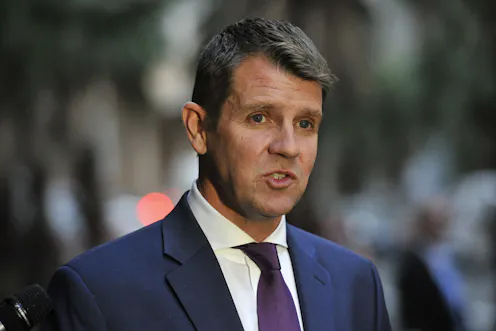
In office, to what extent has New South Wales Premier Mike Baird acted according to liberal principles?
- Professor of History and Politics, School of Humanities and Social Inquiry, University of Wollongong
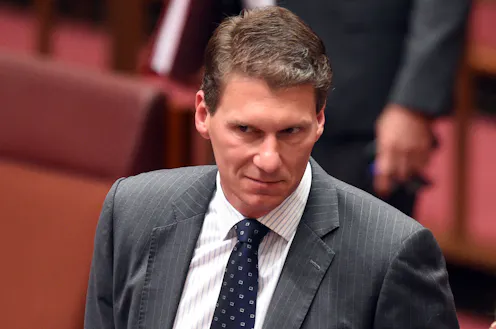
In the last 12 months, under the leadership of an eastern suburbs small-l liberal, the Liberal Party has decided it wants to look more like the party of Hewson than the party of Howard.
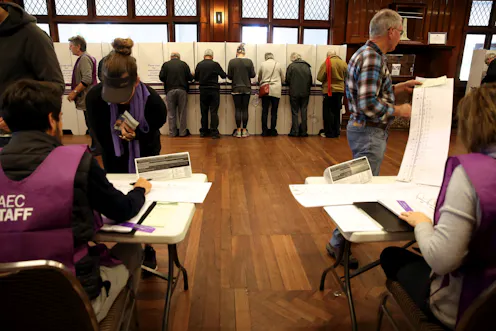
We reconvened our State of the states experts to respond to the results of the 2016 federal election.
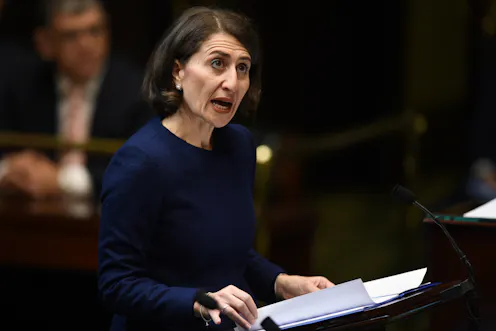
NSW’s no-debt budget comes with a declining share of GST, an issue that must be wrangled with the federal government.
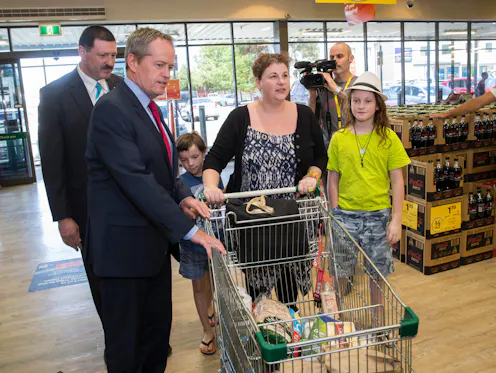
Superannuation, health and child care are among the issues that are likely to matter most to voters in the bellwether NSW seats of Eden-Monaro, Robertson and Lindsay.
The only problem with an appeal to fairness is there is no single understanding of what the word means.
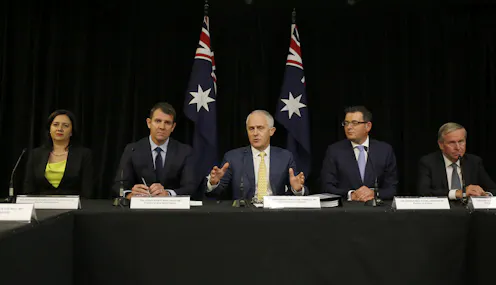
There’s more than one way to restore Australia to genuine federation.
Australians should want the reality of a republic. The rest is but window-dressing.
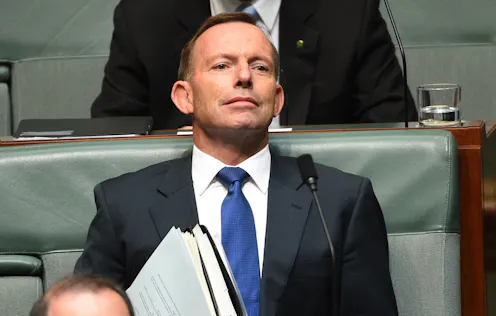
Tony Abbott failed to read the signs of the times. His rhetoric was Churchillian, emphasising struggle, crisis and emergency.
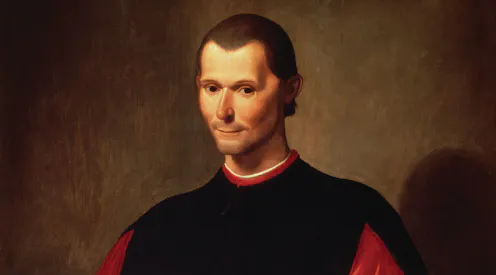
In our modern age, reform means essentially mastering necessity – taking what steps are necessary to ensure that one’s country survives and prospers.
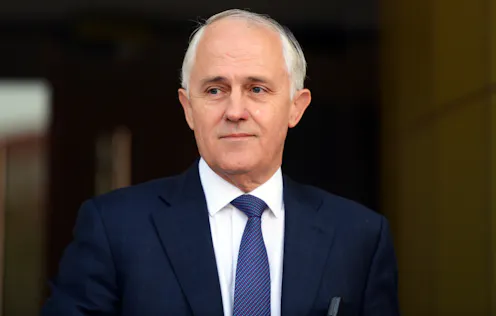
Since 2007 Australia has not really had prime ministers of sufficient calibre. Instead, we have had an incessant struggle for power by those who believed they had the goods.
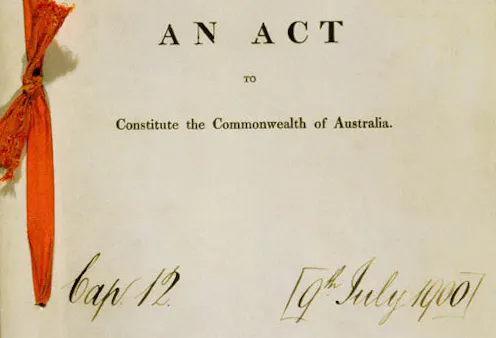
The problem with constitutional recognition lies in the way in which it changes the nature of the constitution away from a procedural document by introducing issues of identity into it.
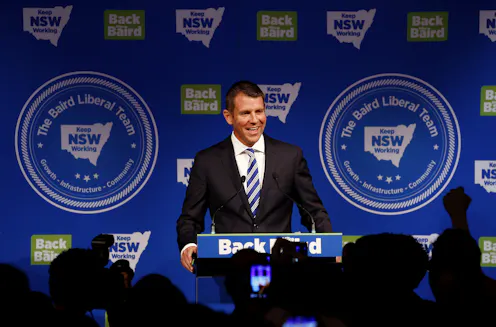
Mike Baird’s Liberal National coalition has been comfortably returned to government in New South Wales, despite a 9% statewide swing against it on the two-party preferred vote.
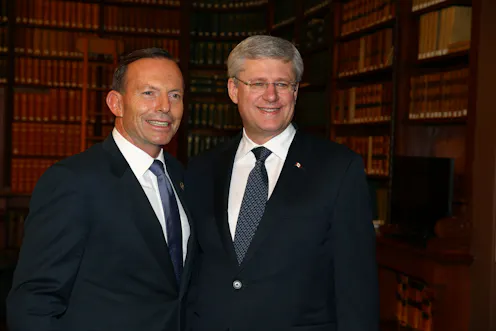
In recent years, a political “state of nature” has replaced what had been the civilised practice of political life in Australia.
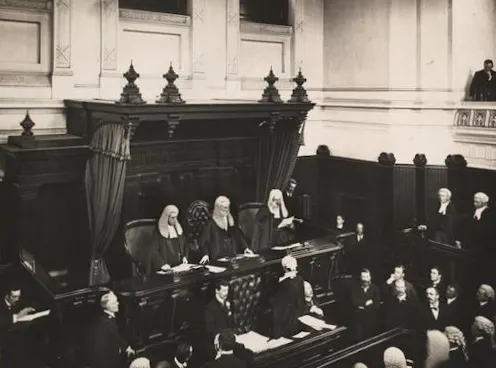
The reform of Australia’s federation is under review. In this special series, we ask leading Australian academics to begin a debate on renewing federalism, from tax reform to the broader issues of democracy…
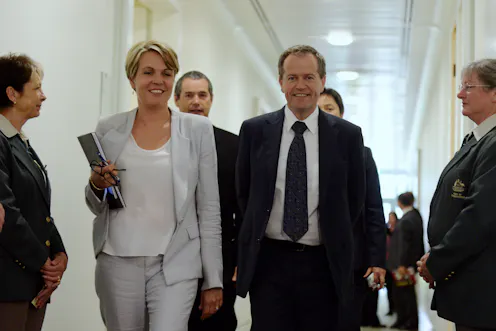
Australian parliamentary politics has always had a reputation for a certain rough and tumble. In the 1850s, British economist William Stanley Jevons commented on the rowdiness of the proceedings of the…

Welcome to the The Conversation’s Election 2013 State of the Nation essays. These articles by leading experts in their field provide an in-depth look at the key policy challenges affecting Australia as…
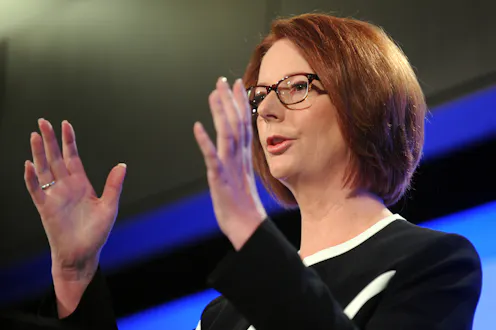
Prime Minister Julia Gillard has announced the date of the 2013 election, with Australia to go to the ballot box on September 14. Ms Gillard today told the National Press Club the move would give certainty…
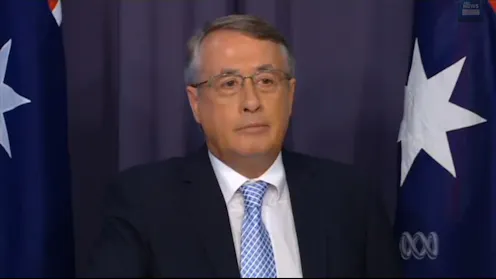
Treasurer Wayne Swan has acknowledged it’s unlikely the government will deliver the budget surplus it had been promising for next year, following the release of a disappointing monthly financial statement…
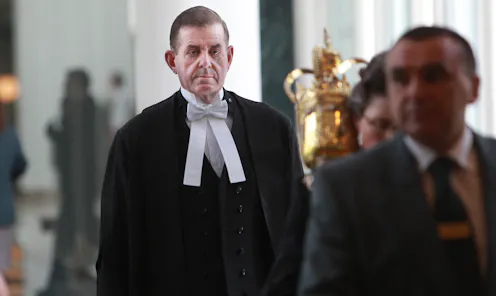
In 19th century Australia, democrats such as Henry Parkes could not emphasise too much how important it was to elect a Parliamentary representative who was honourable, decent and able to work on behalf…
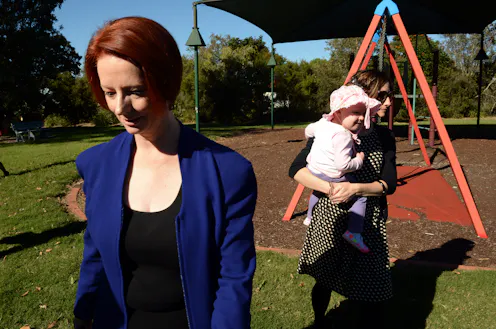
“Class warfare” is an emotive term that would seem to belong to a bygone age when there also existed, as in the minds of many people, something called the “class struggle”. It would seem strange that in…
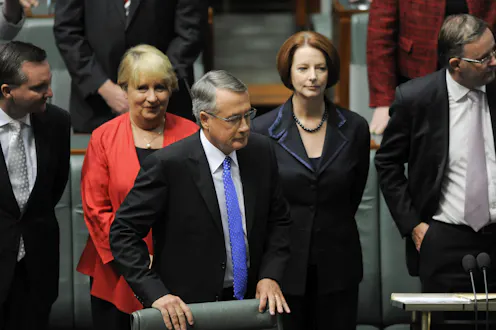
Labor has made a $5 billion pitch to true-believers with a $1.5 billion surplus, cash hand-outs and tax breaks for low- and middle-income earners in the federal budget. And the opinion-makers are on the…
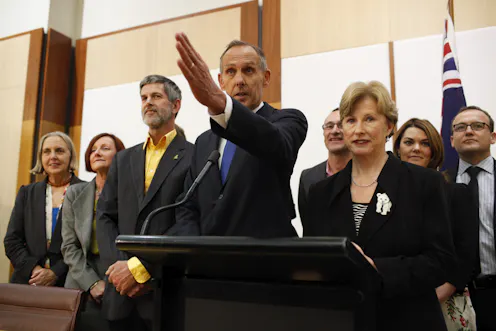
The exit of Bob Brown raises an interesting issue for the Australian Greens. Now the party’s charismatic founder has gone, what will happen to the party? Does it have a long-term future, and if so, what…
Contact Gregory for
- General
- Media request
- Speaking request
- Consulting / Advising
- Research collaboration
- Research supervision
- Location: Wollongong, Australia
- Article Feed
- ORCID
-
- Joined
