
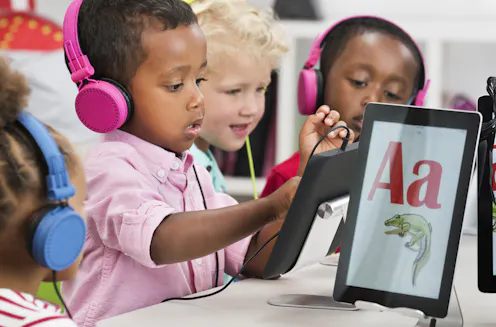
The education technology sector constantly offers new products to solve old problems. Will anything be different this time?
- Professor of learning technologies, University of Minnesota
Adapting post-secondary education through technological, social and cultural shifts depends on paying attention to healthy connection, social justice and amplifying what’s now going well.
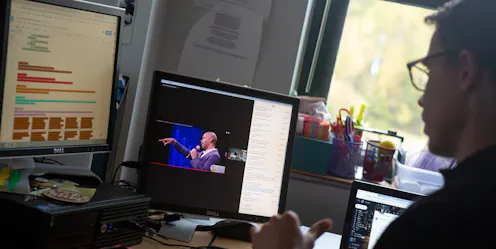
Making unsubstantiated claims that pandemic online learning caused mental health problems doesn’t help us address students’ current needs.

Precarious academic work, stable funding, purposeful course design and greater attention to equity are issues that students and faculty want to see addressed.
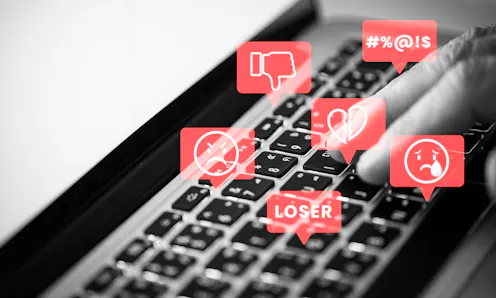
Where policies do address online abuse and harassment, they’re largely ineffective in a world where academics engage with people in a variety of public platforms and through social media.

Research shows few differences in academic outcomes between online and face-to-face university courses. A professor who’s been teaching online for years offers advice on good online courses.

Online news sources continue to grow as a primary source of information and misinformation. But private platforms like WhatsApp and Facebook Messenger are harder to monitor.

Online learning can help universities quickly adapt to COVID-19, but policy makers must pay careful attention to student experiences and take a critical view of technology companies’ claims.

Universities could dramatically transform their role in society through better use of social media
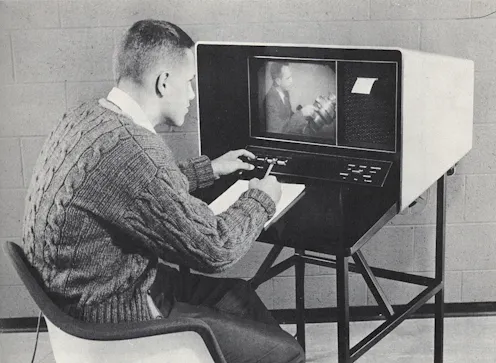
The belief that technology can automate education and replace teachers is pervasive. Framed in calls for greater efficiency, this belief is present in today’s educational innovations, reform endeavours…
Contact George for
- Media request
- Speaking request
- Consulting / Advising
- Research collaboration
- Research supervision
- Location: Minneapolis, Minnesota, U.S.
- Website
- X (formerly Twitter): @veletsianos
- Article Feed
- ORCID
- Joined
