
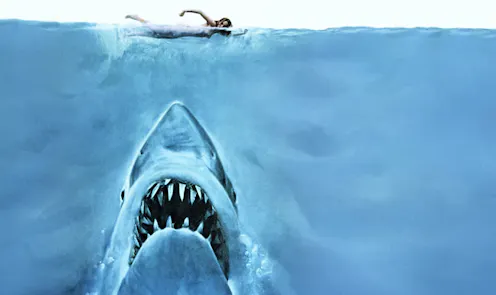
O livro “Tubarão”, de 1974, e o filme subsequente de Steven Spielberg, em 1975, cativaram a atenção do público, mas também despertaram o interesse dos cientistas
- Director, Florida Program for Shark Research, University of Florida
‘Jaws,’ published in 1974, terrified the public of sharks, but it also brought shark research into the scientific mainstream.

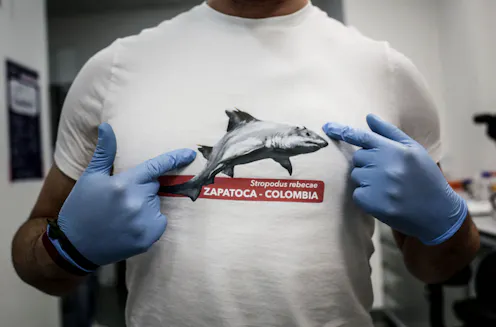
The first hammerhead shark was likely the result of a genetic deformity. A biologist explains how shark DNA reveals hammerheads’ history.
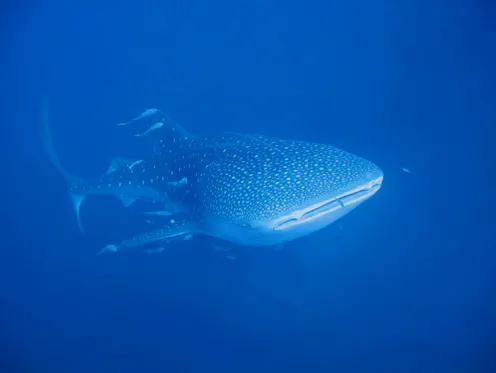
Pemberitaan sering melebih-lebihkan risiko serangan hiu bagi manusia. Padahal, lebih dari 500 spesies hiu tidak pernah menyerang manusia, bahkan ada banyak yang bisa dipelajari tentang mereka.
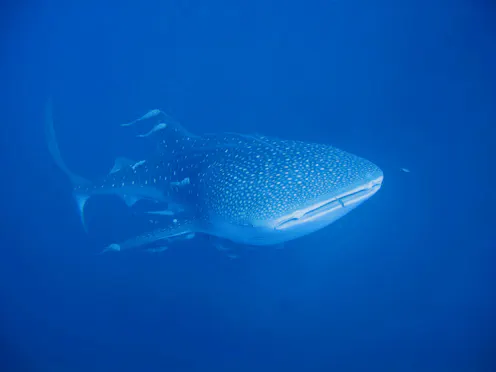
Media coverage of sharks often exaggerates risks to people, but more than 500 shark species have never been known to attack humans, and there’s lots to learn about them.
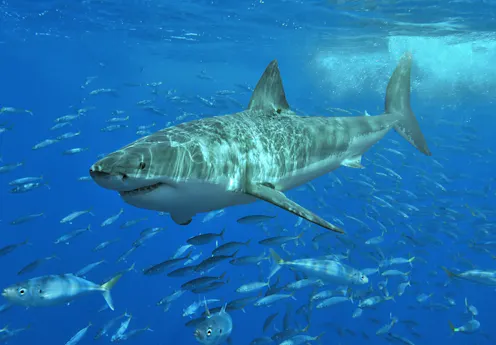
Why do scientists spend so much time and money mapping the DNA of species like white sharks? Single studies may offer insights, but the real payoff comes in comparing many species to each other.
Contact Gavin for
- General
- Media request
- Speaking request
- Consulting / Advising
- Research collaboration
- Research supervision
- Location: Gainesville, Florida, U.S.
- Website
- X (formerly Twitter): @gavinnaylor
- Article Feed
- Joined
