

Artificial intelligence can detect patterns in your shopping behaviour that can help retailers deliver better deals to you, and then suggest things you never even knew you wanted.
- Professor of Marketing and Consumer Behaviour, Queensland University of Technology
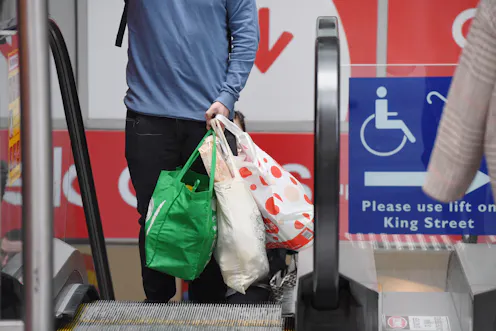
The strong reaction to plastic bag bans is because consumers feel supermarkets violated an unspoken agreement.
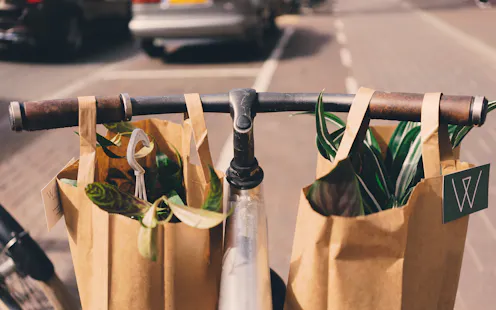
As major supermarkets ‘ban the bag’, the spotlight is firmly on sustainability. Retailers are racing to promote their green credentials to shoppers.
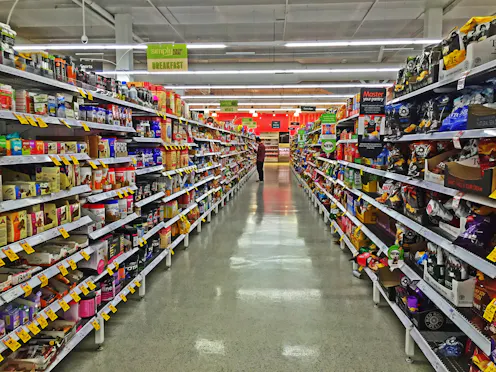
Supermarkets and consumers might gain from more private label brands, but Australian suppliers are likely to lose out.
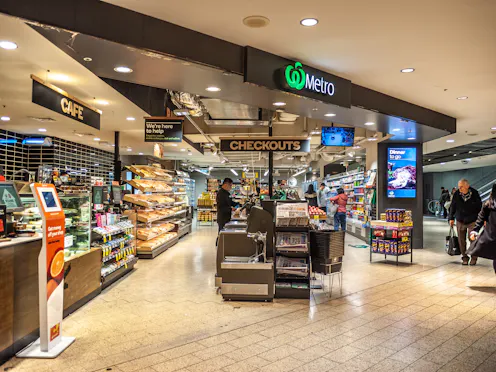
Several large retailers and supermarkets have announced they are going to downsize to smaller stores.
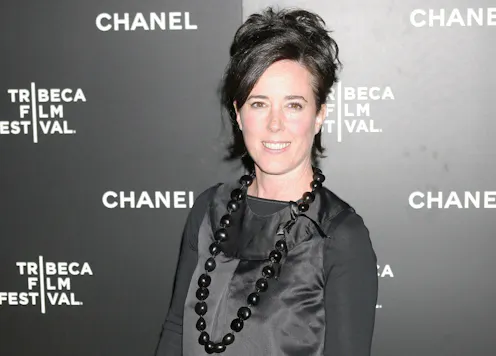
Kate Spade has been found dead in New York, age 55. Her handbags, first released in the early-1990s, introduced young professional women to affordable luxury.
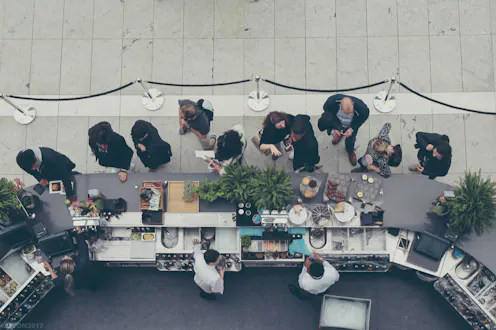
Businesses are weighing up the costs of queuing and using innovative ways to minimise these costs by doing away with queues.
Amazon has barred Australian shoppers from its US site, rather than contend with new GST rules on overseas purchases. But don’t expect a stampede at your local branch of Harvey Norman as a result.
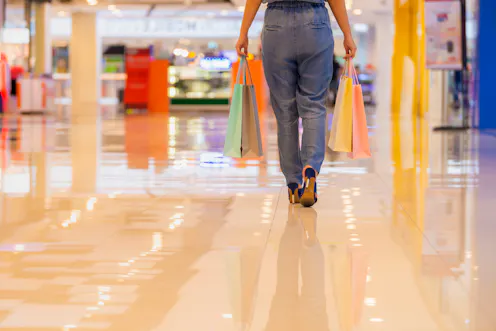
We’re not going to stop wandering through shopping centres anytime soon, but mobile, micro-location and voice technologies are set to transform the retail experience.
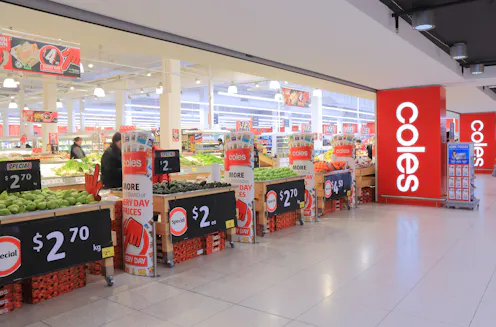
Spinning off Coles is a great example of how good Wesfarmers is at entering and exiting markets.
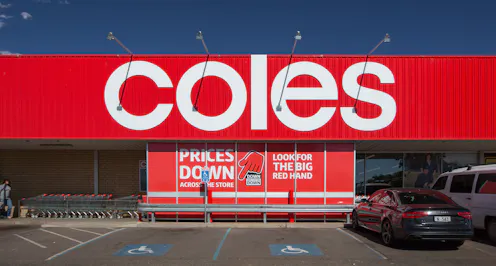
Coles plans to compete with competitors by moving away from low prices to a focus on other attributes, such as sustainability, local produce and community.
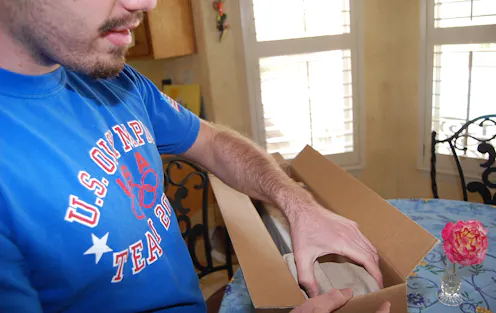
Retailers are banking on some of our behavioural and emotional traits to get us to sign up to subscription boxes.

Marketing has moved from a focus on the product itself to the consumer, who they are and finally, how they think.

New stores based on the business of personal shoppers for Chinese clients are capitalising on the country’s emerging middle class.
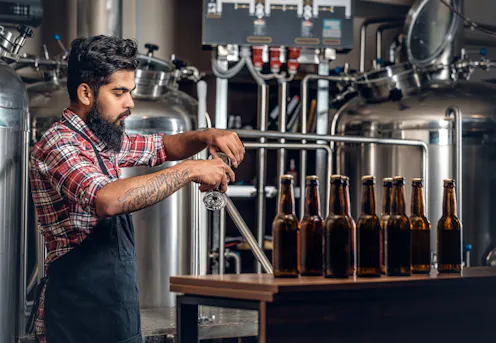
Craft beer is exploding in popularity, but it’s big corporations that are taking the bulk of the market.
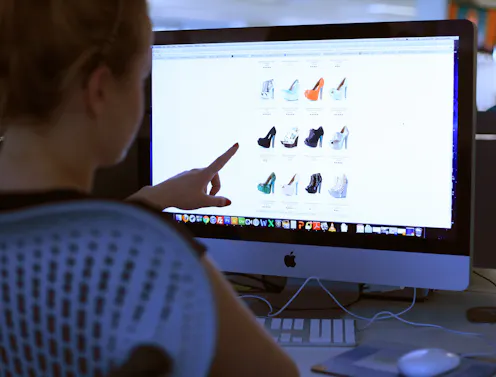
Retailers are starting to realise the benefit of combining online and in-store shopping. And by encouraging you to click first and collect later, these businesses are saving on a number of costs.
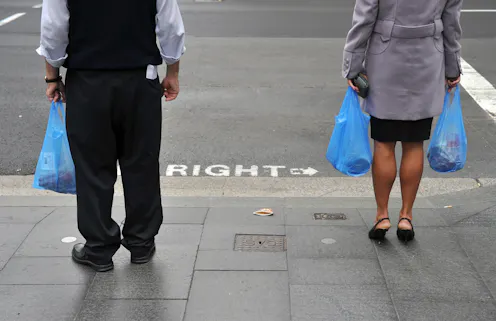
Moves by major to supermarkets to only offer plastic bags for a charge could make these businesses more than a million dollars a year, but it may only have a small impact on the environment.
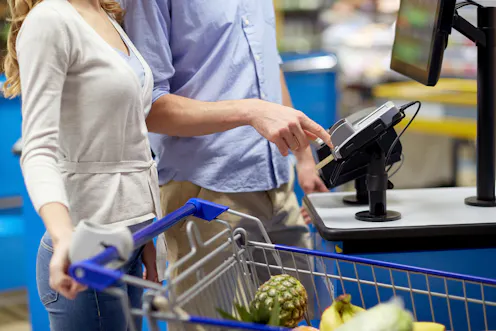
While retailers, airlines and many other companies are embracing self-service, the numbers show it isn’t an easy win.

Research shows consumers value speed when it comes to shopping. Australian retailers need to react or they will lose.
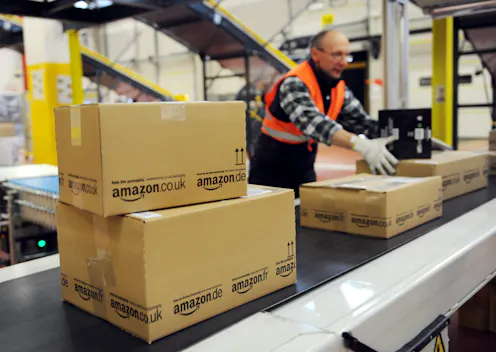
After a lot of hype, it looks like Amazon will finally come to Australian shores. But it won’t be the end of Aussie retail.
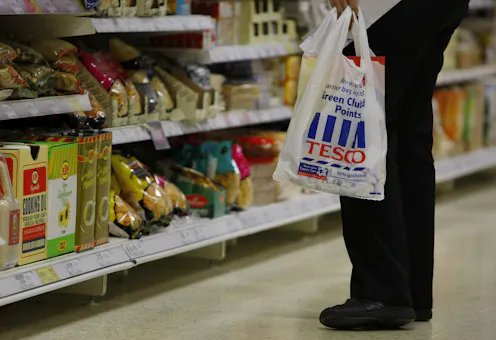
Australian supermarkets businesses have relied on management talent from the UK but perhaps it’s time to look elsewhere.
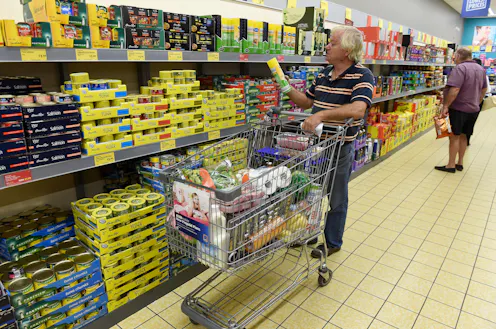
More supermarkets are starting to stock “phantom brands”- private label products without any reference to the business’ brand or logo.
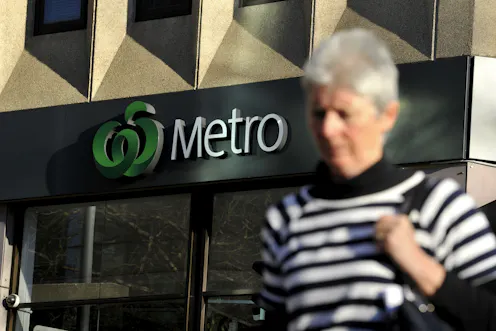
Some of the bigger grocery retailers are moving away from convenience stores because of increased costs, difficulties reading the market and cannibalisation.
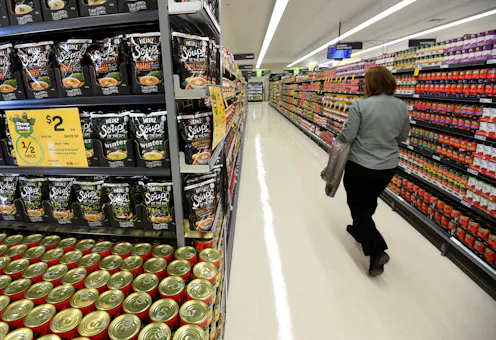
It turns out unit pricing really is a handy tool to save money, so why are we still not using it?
If you can’t really tell the difference between Target and Kmart, you’re not alone.
Contact Gary for
- General
- Media request
- Speaking request
- Consulting / Advising
- Research collaboration
- Research supervision
- Location: Brisbane, Australia
- Website
- X (formerly Twitter): @ProfRetail
- Article Feed
- ORCID
- Joined
