
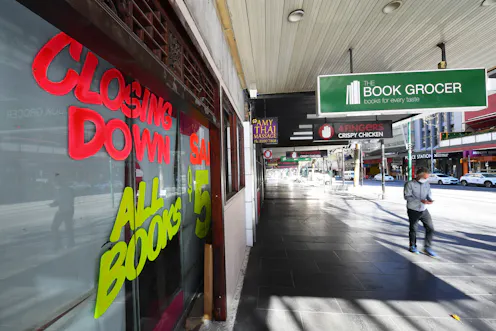
CBD retailers were already struggling before the pandemic. The contrast in fortunes with suburban retail activity is stark, and there are good reasons to think the shift could be permanent.
- Professor of Marketing and Consumer Behaviour, Queensland University of Technology

City by city, the data on CBD visitors vary with the severity of COVID-19 outbreaks and restrictions. But none of the CBDs has recovered former activity levels, and some might never fully recover.
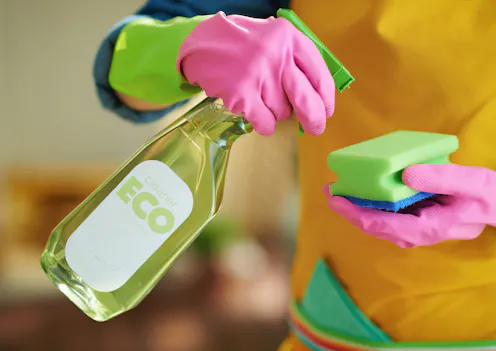
Our intention to buy climate-friendly products does not always match our buying behaviour, especially when we pay more for such products.

Woolworths’ A$780 millon investment in new automated distribution centres is a sign of how much COVID-19 has changed the way we shop. It points what’s to come in the retail sector.
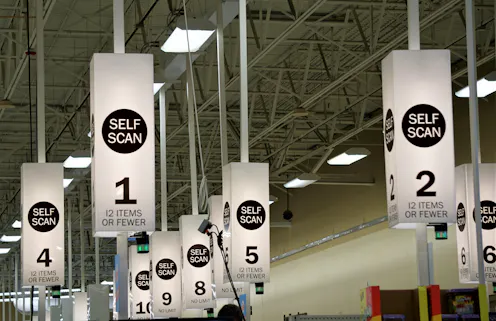
To curb opportunistic shoplifting, supermarkets want you to know you are being watched. But they’re also hoping for self-reflection.
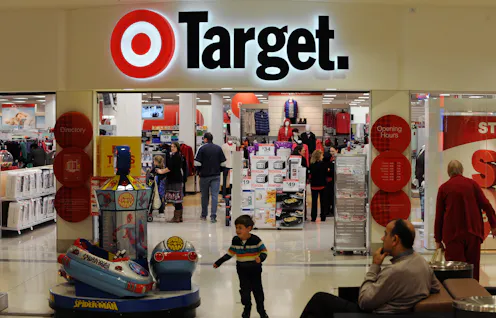
Target’s fall from grace involves poor market positioning, confusing strategies, and a declining middle class consumer market.

It’s hard to keep up with what’s regarded as essential and non-essential services.

Disasters and times of crisis bring out the best in most of us. Despite the media focus on initial panic at the COVID-19 pandemic, we are are starting to see a more heartening community response.

We’ve had books, films, plays, theme parks, bars and endless paraphernalia. But after more than 20 years of Harry Potter mania, its commercial spell might finally be waning.

Brand loyalty is a two-way street.

Australians spent $400 million on unwanted Christmas gifts last year. There must be a better way.
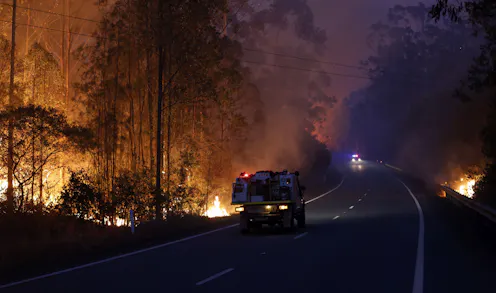
Natural disasters amplify the conditions leading to domestic violence. Yet Australia’s disaster policies are “gender blind”.

There’s a lot of research in consumer behaviour that disputes the notion “more is better”. But it really depends on what type of personality you have.

If Australia follows international trends and allows supermarkets to open pharmacies, what are the effects on neighbouring pharmacies? And when does running a business mean health care suffers?
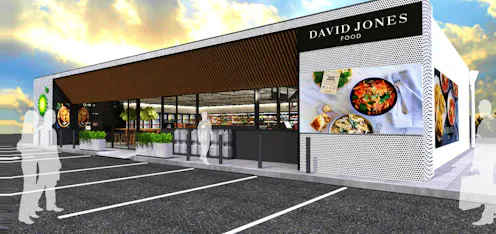
BP is offering what David Jones wants. David Jones is offering what BP needs.
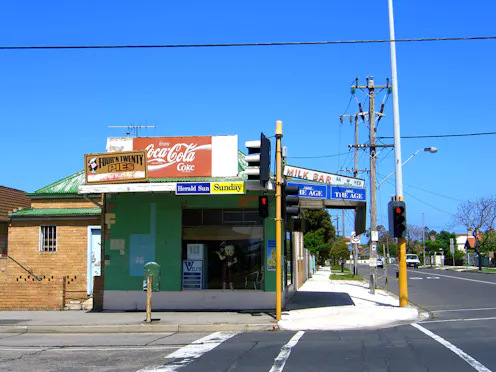
As neighbourhoods lost their milk bars, they also lost a daily point of connection for locals. But all is not lost. In some areas, the humble corner store is making a comeback.

Efek IKEA mungkin awalnya mitos, tetapi fenomena ini telah terbukti dan ampuh membuat konsumen menilai hasil kerja tangan mereka sendiri.

Plenty of services use AI to study your behaviour to suggest new things to you. So could such a tool help you decide how to vote?

The IKEA effect is caked in myth, but the phenomenon of consumers valuing their own efforts is proven and potent.
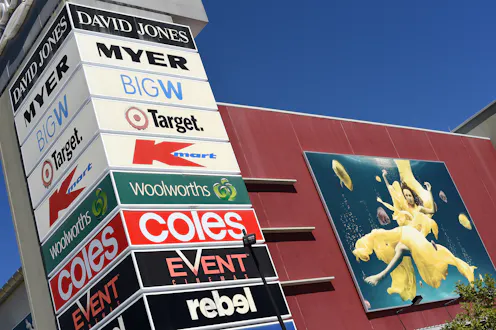
Big W store closures signal deeper problems for the discount department store sector.

Ketika konsumen dihadapkan dengan banyak alternatif, mereka mengalami kewalahan dalam memilih.

Pets are not welcome in many public places. As we increasingly choose high-density living, city planning and legislation should address creating opportunities for more human-animal interaction.

Most pricing structures nudge us to spend more. But there’s a particularly cunning type of pricing that can get us to swap our preference from a cheaper to a more expensive option.
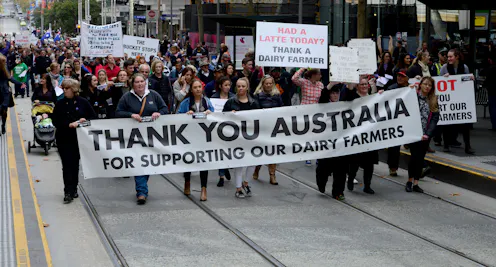
Calls to boycott supermarket-branded milk are misguided; and a royal commission into treatment of dairy farmers would be money wasted.

History shows the targets of product tampering bounce back, often with sales stronger than before.
Contact Gary for
- General
- Media request
- Speaking request
- Consulting / Advising
- Research collaboration
- Research supervision
- Location: Brisbane, Australia
- Website
- X (formerly Twitter): @ProfRetail
- Article Feed
- ORCID
- Joined
