
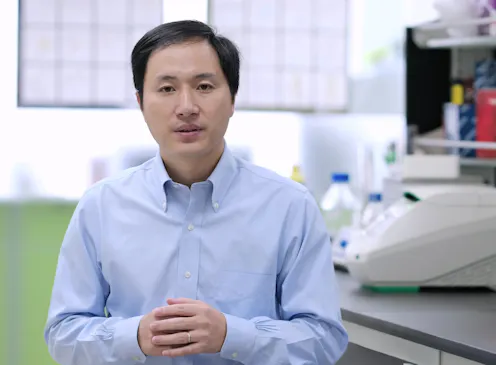
Scientific and public uproar resulted when the Chinese scientist announced the births of the first human babies with heritable edits to their genes. A new documentary reexamines the saga.
- Assistant Professor in Biomedical Ethics, National University of Singapore
Scientists and ethicists have called for a five-year moratorium on editing human genes that will pass on to future generations. Yes, society needs to figure out how to proceed – but is this the best way?
The announcement of the birth of babies with edited genes has been met by a deluge of scientific and ethical criticism. Public discussion focuses on risks and benefits – was breaking this taboo worth it?

The court found that parents have a strong interest in a “genetic affinity” with their children, one that can merit compensation if subverted.
Regulations, funding and public opinion around genetically enhancing future generations vary from country to country. Here’s why China may be poised to be the pioneer.
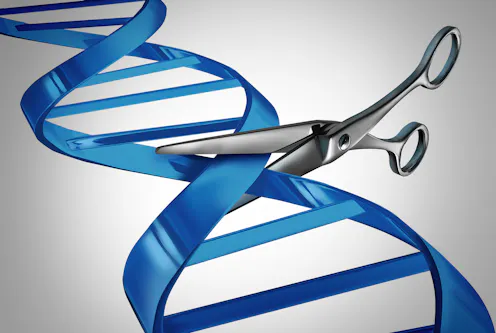
The International Summit on Human Gene Editing drew a distinction between editing an individual’s body cells and editing germline cells that would pass changes to future generations. Does that make sense?
Contact G. for
- General
- Media request
- Speaking request
- Consulting / Advising
- Research collaboration
- Research supervision
- Location: Singapore
- Website
- X (formerly Twitter): @G_Owen_Schaefer
- Article Feed
- ORCID
- Joined
