

The government’s laws cancelling social security payments for some accused of crimes turn a safety net into a weapon for punishing people.
- ARC DECRA Fellow, Australian National University
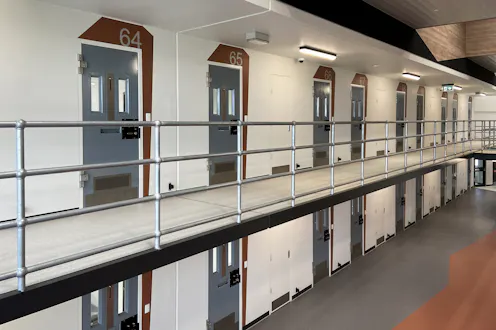
Research shows 37 new prisons have been built in Australia since 2000. But the evidence shows increased incarceration doesn’t help reduce crime.

According to the 2021 Census there are now almost one million Indigenous people in Australia. Although increase in population is a reason for this, there are some other factors to consider.
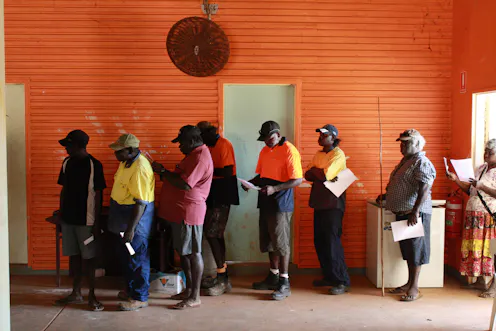
Our new analysis shows Indigenous voters could play a decisive role in 15 marginal seats – including key battlegrounds in urban and regional Queensland, as well as NSW, WA and Tasmania.

Mass unemployment is not a result of people choosing to remain on welfare. Attempts to close the “employment gap” ignore the real cause: unemployment is structural, not behavioural.
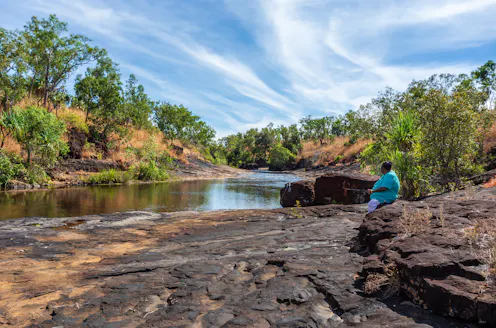
First Nations people have almost no say in how water is used in Australia. The Productivity Commission’s latest report does little to address that.

Strong language and culture is listed among the fresh Closing the Gap targets. But, as the latest research on speakers and learners shows, language is fundamental to well-being across the board.
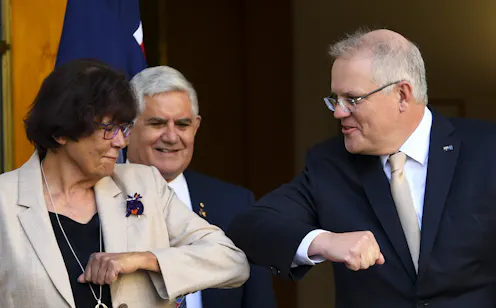
The revamped Closing the Gap agreement is a significant achievement for Indigenous organisations. But we need more detail about who will be responsible for what.

The Coronavirus Supplement will boost the total income of very remote Indigenous Australai by one quarter.
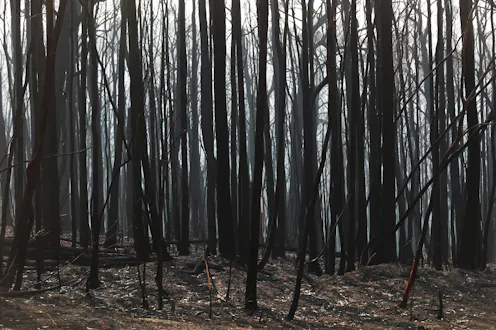
In past bushfire inquires, Aboriginal people have been mentioned only sparingly. When referenced now, it’s only in relation to cultural burning. This must change.

In some communities, art sales account for 15% of Indigenous income. They are vanishing with the coronavirus, making conditions worse.

If Australia is to meet its climate targets, radical measures could be required to reduce emissions in sectors such as aviation.
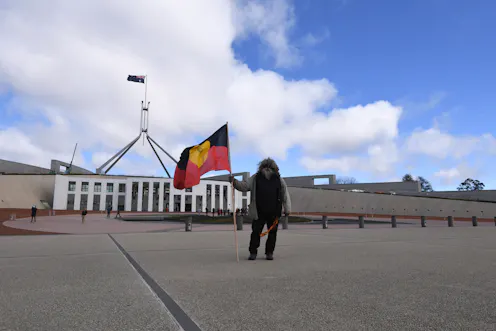
What may appear to be slow progress or steady outcomes for the whole Indigenous population may be masking worsening results.

Pokies companies want to keep their customers “in the zone”, that’s why they spend so much to keep tabs on them.
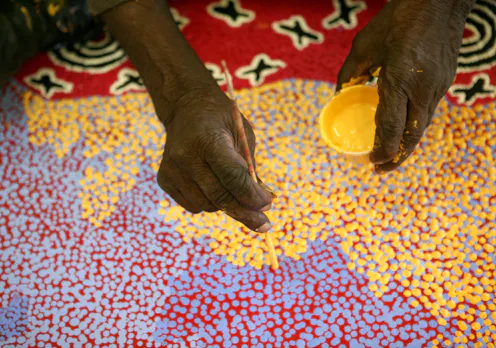
Care needs to be taken in interpreting progress on closing the gaps between Indigenous and non-Indigenous Australians, and ascribing it to actual policy change.

The latest census data reveals valuable insights into Closing the Gap targets. While there’s some improvement in school attendance rates, all other indicators suggest a radical rethink is required.
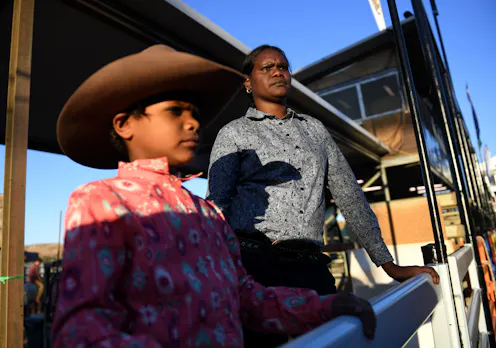
Looking past the headline Census figures, we see divergences between rural and urban Indigenous populations, and the young and old.
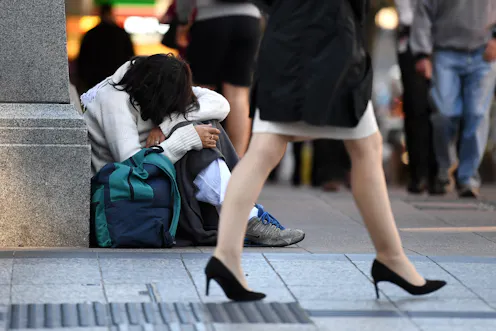
Census data shows there is income inequality between, but also within, regions of Australia.
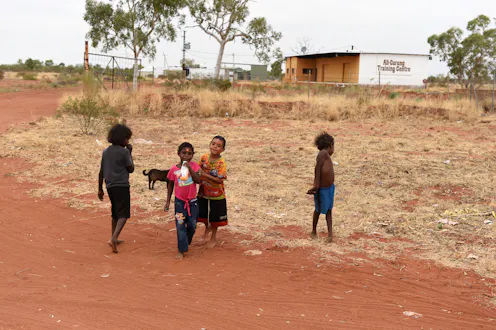
The census mostly delivered a good news story on Indigenous Australian outcomes, but it is unclear to what extent this correlates to improved lives for Indigenous families.

While fewer people are gambling on the pokies, the amount of money lost per gambler has remained relatively constant over time.

In Tasmania, a changing cast of actors has colluded to grant extreme riches to a single family, extracted in large part from the state’s most disadvantaged citizens.

With little hope of finding alternatives to jet fuel, we need to seriously consider a world without flying.

The gambling lobby’s failure to seriously influence the 2016 ACT election should embolden governments around Australia that have a mind to deal with gambling reform.

The uneven provisioning of poker machines across Victoria may be contributing to the incidence of domestic violence in areas with many poker machines.

Harm minimisation policies should seek to reduce the poker machine gambling of everyone, not just problem gamblers.
Contact Francis for
- General
- Media request
- Speaking request
- Consulting / Advising
- Research collaboration
- Research supervision
- Location: Ngunnawal and Ngambri Country
- Website
- BlueSky: @francismarkham.work
- Article Feed
- ORCID
- Joined
