
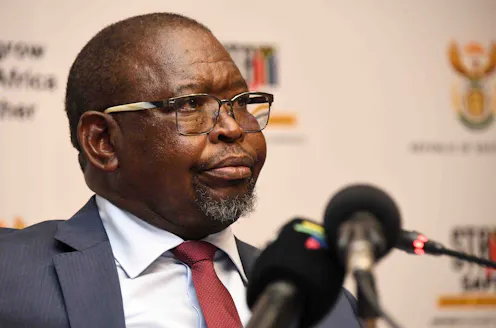
The important question in a democratic setting is who gets to pay taxes and how they connect to the well-being of its citizens.
- Honorary Research Associate, Department of Political and International Studies, Rhodes University
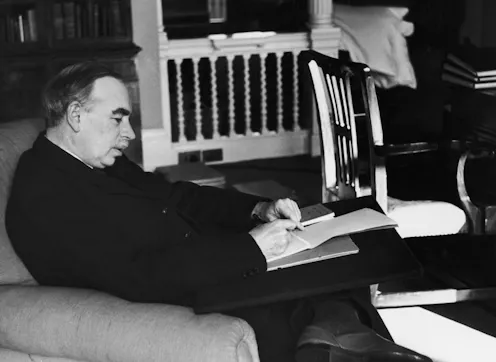
Austerity means choosing not to invest in citizens, contrary to the mandate of South Africa’s constitution.
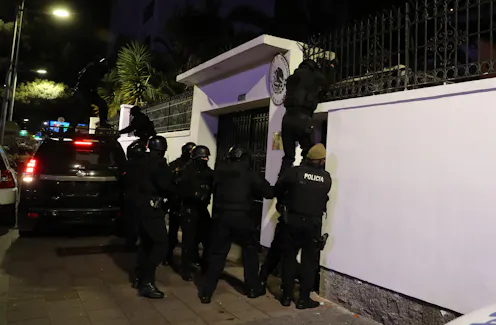
The raid almost certainly broke international law, but Ecuador’s president is hoping his strongman tactics will resonate with the electorate.
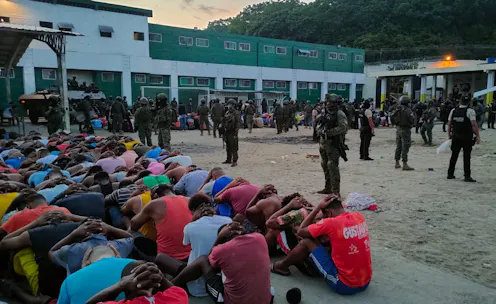
Poverty, insecurity and a naive and misguided drugs policy have led to a virtual civil war in Ecuador.
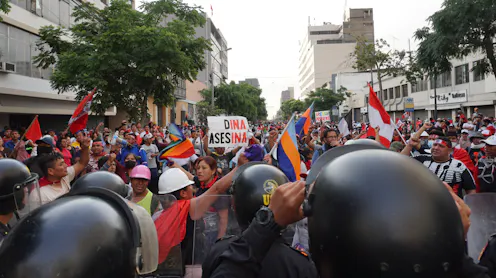
El hecho de que las movilizaciones y la inestabilidad en muchos países latinoamericanos se haya extendido demasiado en el tiempo debe hacernos pensar en cómo algunos gobiernos resuelven sus tensiones. Hay dos opciones: usar la fuerza o usar el diálogo. Perú parece que ha optado por la represión.
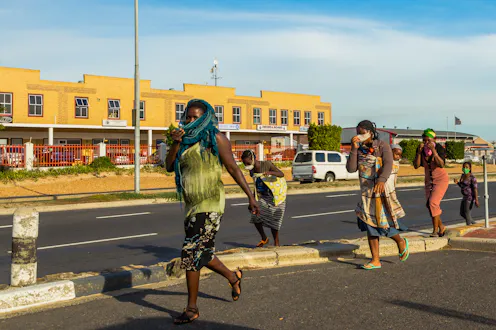
La dificultad para reducir los niveles de pobreza y desigualdad en África se debe a la incapacidad de lograr un desarrollo equitativo en el continente y a la falta de servicios sociales para los trabajadores.
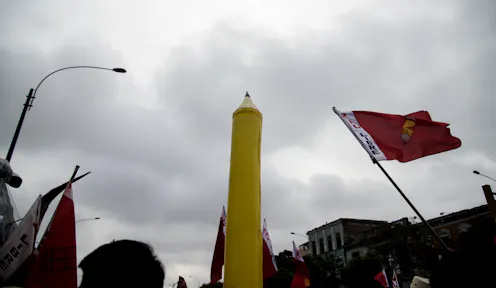
Llega un periodo de incertidumbre para el Perú, con una alta probabilidad de inestabilidad. El liderazgo de aquellos lideres políticos interesados en el bienestar del país resultará vital para sobreponerse a las posibilidad de que el fujimorismo ignore el triunfo de Castillo.
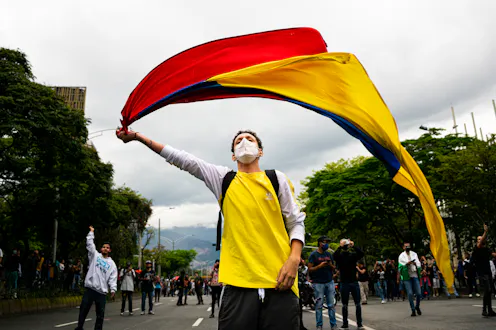
Colombia está sumida en una escalada de violencia cuyo final no se atisba. Las protestas, que se han saldado con decenas de ciudadanos muertos y desaparecidos, empezaron en respuesta al proyecto de reforma tributaria propuesto por el Gobierno debido a la pandemia de COVID-19. Pero las raíces de los disturbios son mucho más complejas.
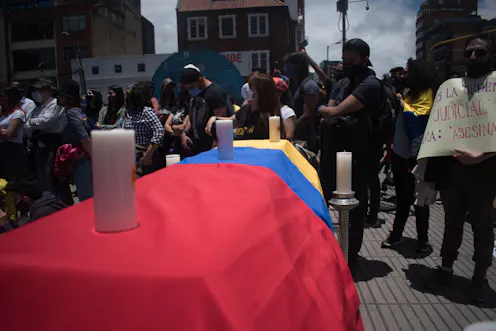
Los disturbios en Bogotá tras la muerte de un abogado por parte de la policía son señal de las importantes tensiones que vive el país. Y la respuesta del gobierno, más que apaciguar, parece estar caldeando el ambiente aún más.
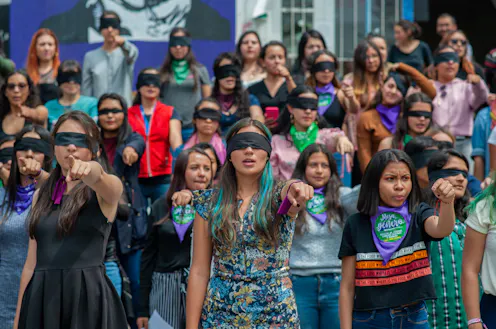
Sindicatos, estudiantes, campesinos e indígenas se movilizan contra el ‘paquetazo’ del Gobierno de Duque y el asesinato de líderes sociales.
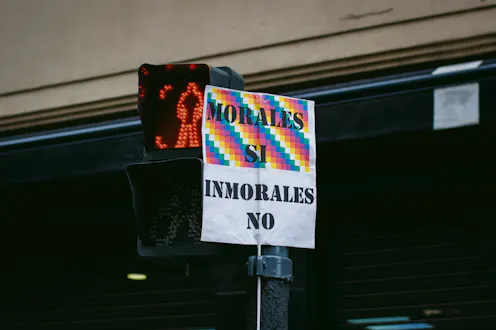
El uso de las redes sociales para justificar el reciente golpe de estado en Bolivia enfatiza cómo tales herramientas pueden ser manipuladas para apoyar salidas menos institucionales.
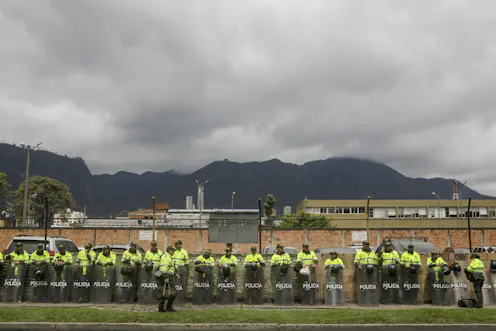
Colombia’s new president opposes the 2016 peace deal with the FARC guerrillas. As trust between the government and militants erodes, at least 1,700 former insurgents have returned to armed struggle.
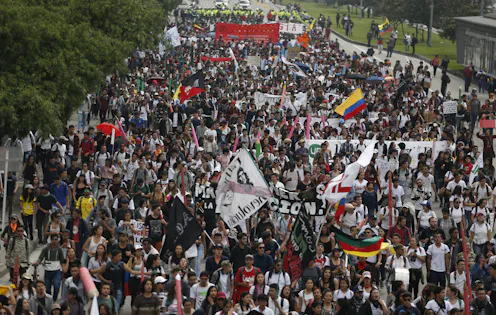
Strikes and rallies have gripped Colombia for months. That’s bad news for its new government but a sign of progress in a country that had little tolerance for dissent during its 52-year civil war.
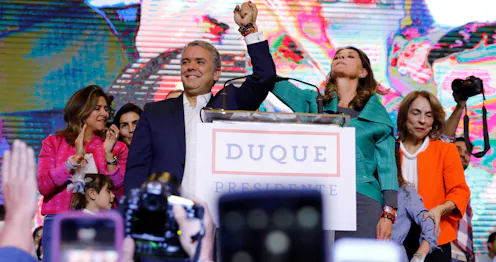
In the most peaceful election in their modern history, Colombians have elected as their next president a conservative who will renegotiate the country’s fragile 2016 accord with the FARC guerrillas.
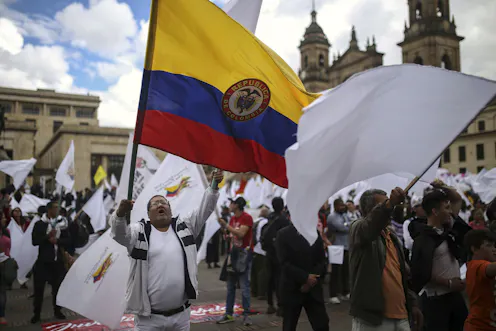
Two candidates from Colombia’s May 27 presidential vote will face off on June 17. One is a former guerrilla. The other is a hard-liner. Their views for the nation’s future couldn’t be more different.
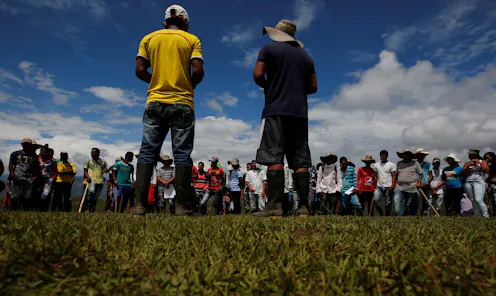
Nearly 300 community organizers and activists have been killed in Colombia since the country’s 2016 peace accord. Who’s behind these targeted assassinations?
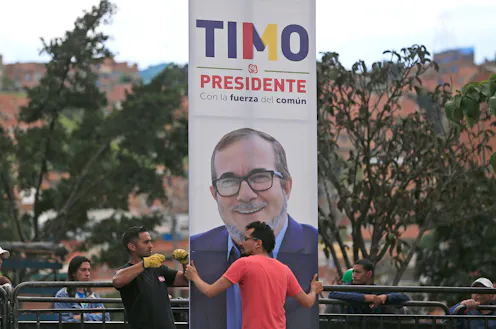
A former FARC rebel commander-turned- presidential candidate has withdrawn from Colombia’s 2018 election. Despite increased violence, the peace accord he signed will probably survive this setback.
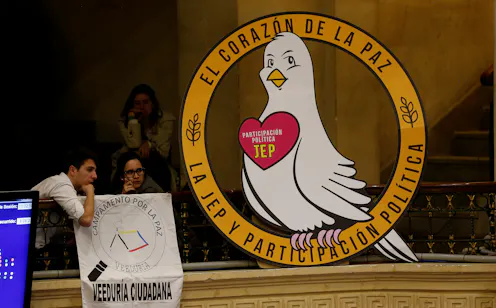
Conservative congressional reps in Colombia have been stalling votes on key parts of the country’s peace accords through endless petitions and nonstop debate. In short, they’re filibustering.
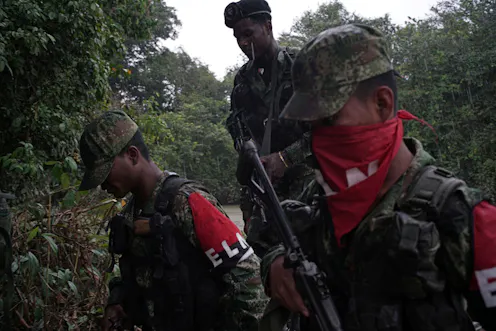
A court decision securing last year’s peace deal and a new ceasefire have invigorated Colombia’s peace process, but there are plenty of ways it could still go wrong.
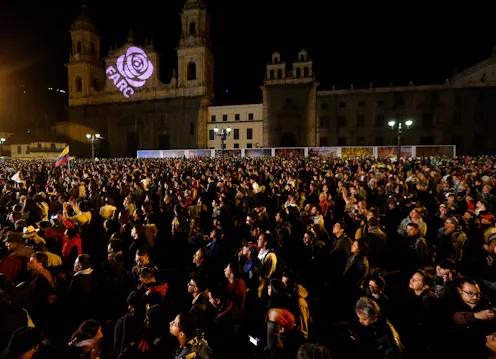
Meet the Commoners’ Alternative Revolutionary Force, Colombia’s newest political party. To move beyond its violent past, the new FARC will need a charismatic leader who can win over voters.
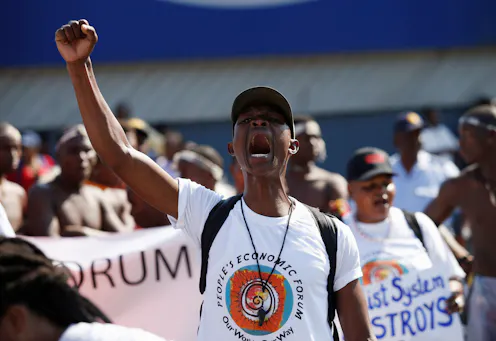
Popular protest is on the rise globally, particularly in places with deeply entrenched inequalities.
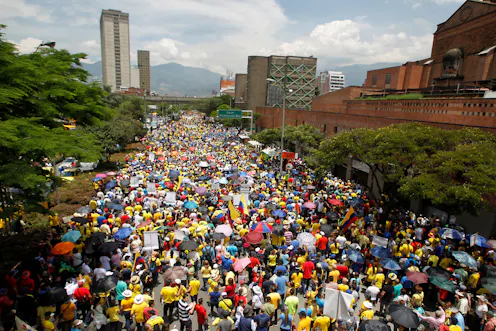
It is vital for people to demand transparency, but when popular outrage is manipulated for political purposes, democracy suffers.
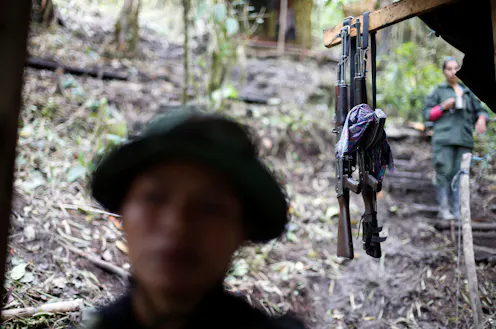
Delays in setting up disarmament camps for former guerillas have cast doubt on the Colombian government’s commitment to peace. But the real problem is its national history.
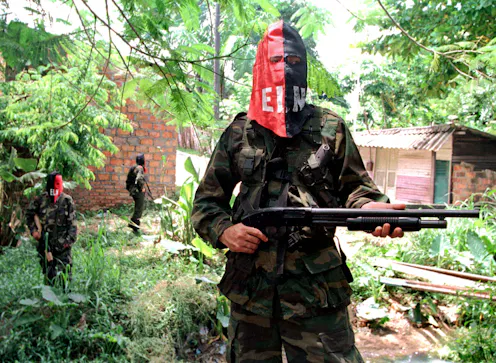
Two months after signing peace accords with the FARC guerrillas, Colombia is set to start negotiations with the country’s second-largest rebel group, the National Liberation Army.
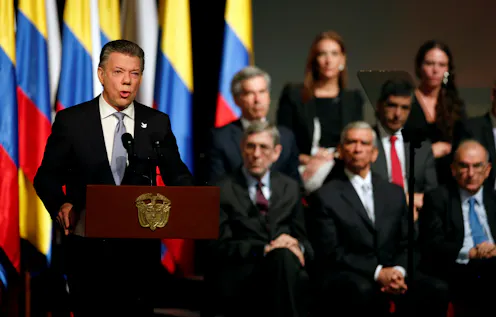
The South American nation is poised to end its 52-year civil war after a halting peace process that has used the weapons of both war and democracy.
Contact Fabio for
- General
- Media request
- Consulting / Advising
- Research collaboration
- Research supervision
- Website
- Article Feed
- ORCID
-
- Joined
