
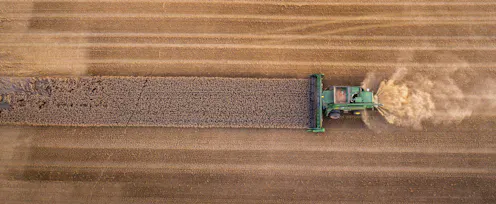
Agricultural and fishing practices are changing the biodiversity and stability of entire regions.
- Director of the Arrell Food Institute and Professor in the Dept. of Geography, Environment and Geomatics, University of Guelph

The world faces compounding crises in food availability. Efforts in Sierra Leone to address these challenges could serve as a foundation for wider food security initiatives.

Comment peut-on nourrir de manière nutritive une population croissante, faire face au changement climatique et ne pas détruire les écosystèmes dont nous dépendons tous pour vivre ?
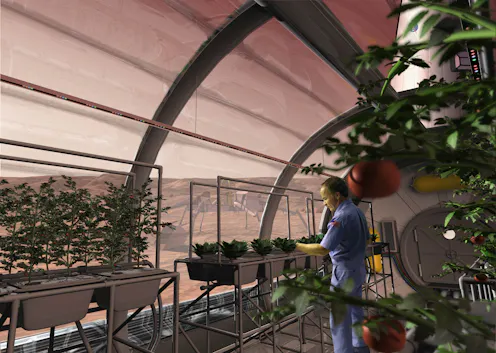
Agricultural technologies to grow food on Mars can help address climate change, sustainability and food scarcity challenges.

The world is facing one of the century’s biggest challenges: How to nutritiously feed the growing population, address climate change and not destroy the ecosystems on which we all depend for life.
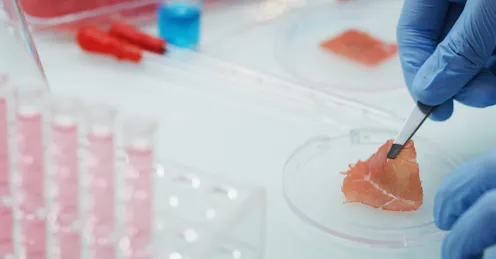
Technological advancements in food production have created new ways to meet the growing demand for protein. Canada’s investment in this industry may create jobs and reduce carbon emissions.
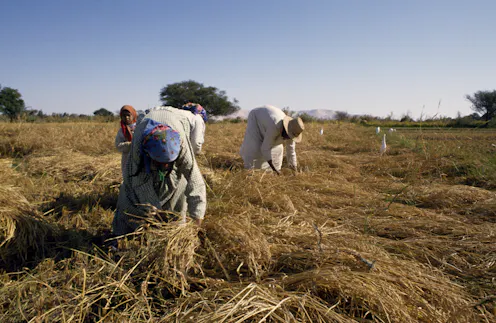
Smallholder rice farmers in Ghana should be supported by the government to access finance needed to adopt modern technologies for greater productivity.

Comment faire baisser les prix des denrées alimentaires ? Utiliser la technologie pour changer la façon dont nous produisons les aliments pour nous assurer du respect de l’environnement.
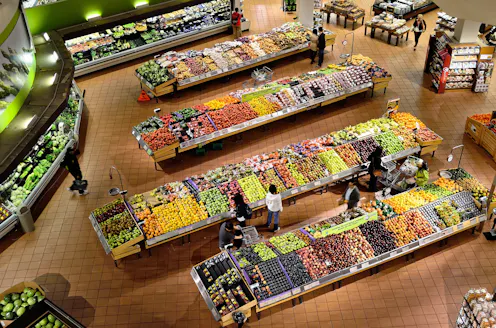
How to keep food prices down? Use technology to change the way we produce food and public policy to ensure there’s a fair price put on things like climate change, human labour and animal welfare.

The ongoing coronavirus pandemic has further destabilized global food chains supplies. Technological innovations like blockchain can help address these challenges.
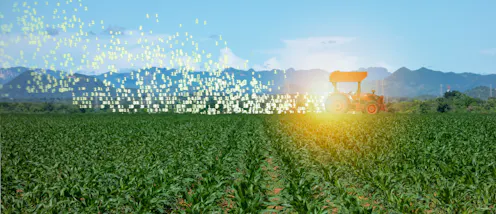
La production alimentaire locale tout au long de l’année est à notre portée et réduira l’impact de l’agriculture sur le climat – mais seulement si nous adoptons la technologie agricole.
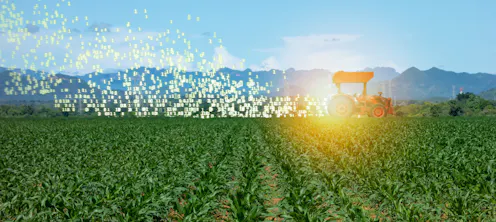
Year round local food production is within our grasp, and will slash agriculture’s climate impact — but only if we embrace agricultural technology.
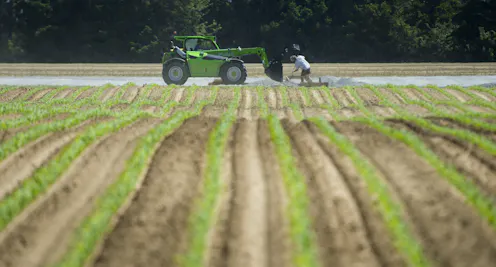
COVID-19 has given society a teachable moment, and we should now establish the policies, programs and technologies to ensure our food system becomes stronger, more resilient and more equitable.

COVID-19 is showing us we must work collectively to put resilience alongside efficiency as the primary drivers for the systems we depend upon each and every day for food.
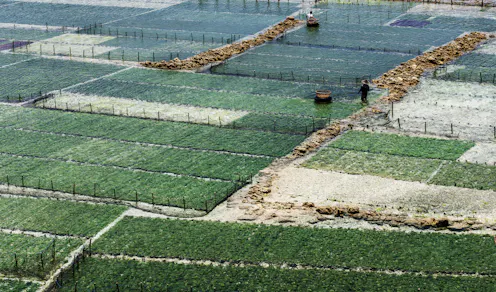
Awareness is increasing about foods like lab-grown meat, insects and seaweed. These foods may help address environmental challenges, but it’s important to be aware of both the costs and benefits.
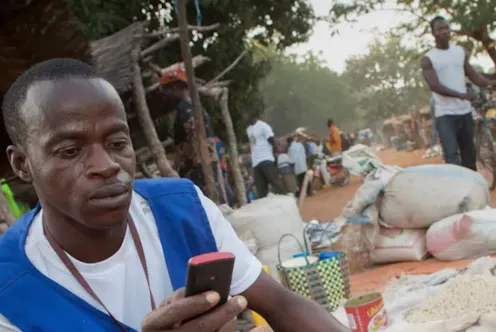
Se han dado pasos positivos para involucrar a los pequeños productores en la agricultura digital en África

There have been some positive strides made in getting smallholders involved in digital agriculture in Africa
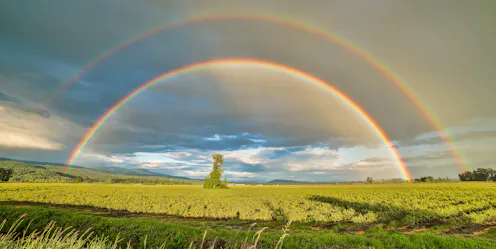
Canada’s new food policy aims to bolster the economic impact of the agri-food sector while tackling issues like waste and childhood hunger.
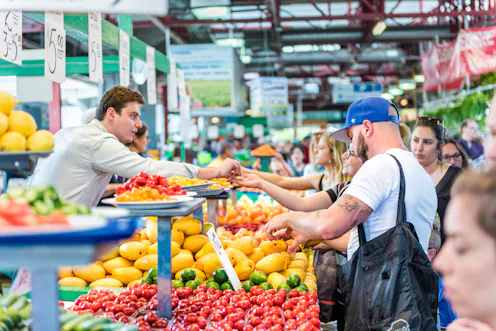
A government report on an upcoming national food policy is an optimistic indication that it will result in both healthier and more sustainable food for Canadians and stronger agri-food industry.
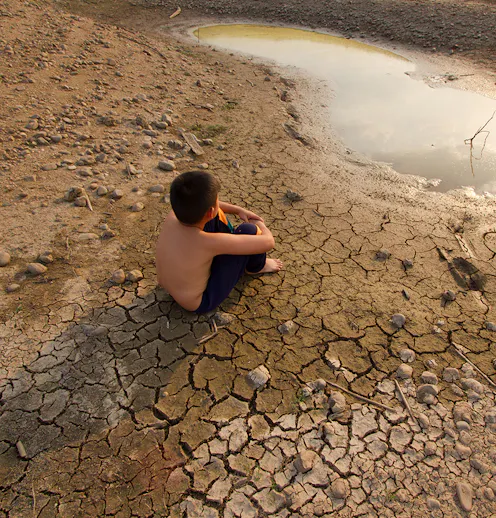
Development officials have been cautiously optimistic that we were on our way to eradicating hunger. But a recent report by the UN shows a surge in global hunger due to conflict and climate change.

Climate change, insects and urban farm towers are a few things that will change how and what we eat in the future.
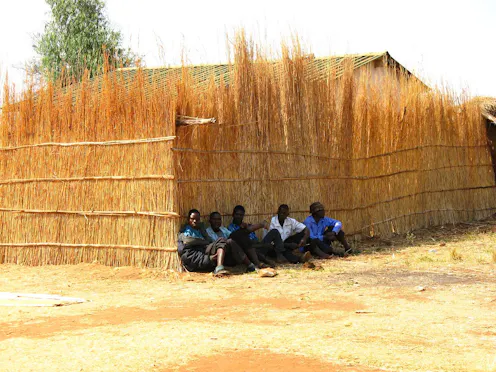
There is belief among some that climate change drives human displacement, but research in Malawi suggests otherwise.
Contact Evan for
- General
- Media request
- Speaking request
- Consulting / Advising
- Research collaboration
- Research supervision
- Location: Canada
- Website
- X (formerly Twitter): @feeding9billion
- Article Feed
- Joined
