
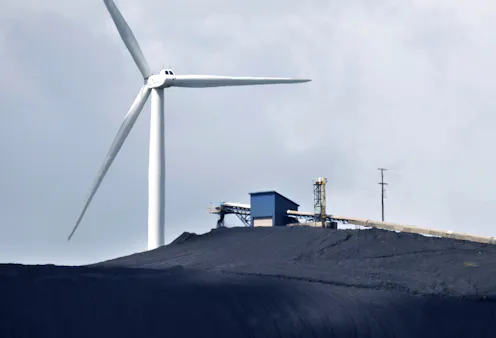
To really compare different electricity sources, you also have to look at the roles they play in keeping the lights on and their drawbacks.
- Distinguished Professor of Industrial Engineering and Faculty Director of The Energy Transition Institute, UMass Amherst

A big roadblock to offshore wind power is getting approval for onshore transmission lines. But what if there were fewer connection points, and power could flow both ways? Plans are underway.
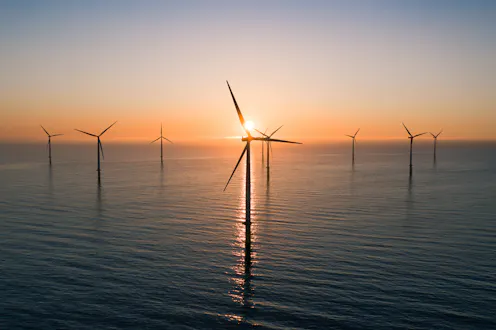
While a US transition to renewable energy by 2030 is possible, streamlined policies with clear goals and incentives are necessary to get there, says an industrial engineering professor.
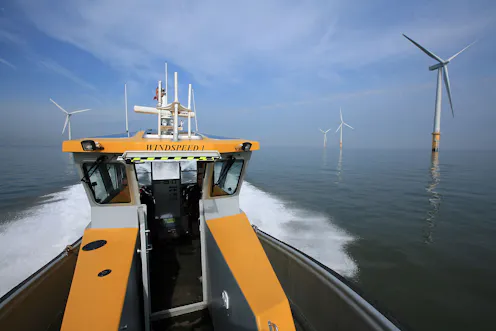
The Biden administration has a goal of getting from today’s 42 megawatts of offshore wind power to nearly 30,000 by the end of the decade, but there are still obstacles ahead.
To increase renewable energy use, the Biden administration wants the US to go from seven offshore wind turbines today to enough to power 10 million homes within a decade.
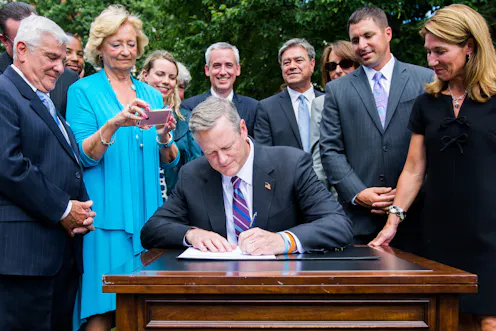
Several states, including Massachusetts and Rhode Island, have developed ambitious renewable energy targets that hinge in large part on getting their power from turbines stationed in the water.

President Trump’s budget reportedly will slash funding for clean energy research and development. An energy expert explains the importance of government support and spotlights some key opportunities.
Contact Erin for
- General
- Media request
- Speaking request
- Consulting / Advising
- Research collaboration
- Research supervision
- Location: Amherst, Massachusetts, U.S.
- Website
- BlueSky: @ErinBakerEnergy
- LinkedIn: Erin Baker
- Article Feed
- ORCID
- Joined
