
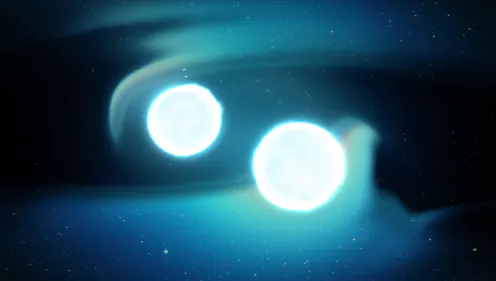
The signal came in on ANZAC Day, ripples in space-time from the merger of two neutron stars an estimated 500-million light years away. But where it happened is still a mystery.
- Professor, Monash University
The 2017 Nobel Prize for Physics was awarded to scientists who helped pioneer the discovery of gravitational waves. Australia is playing an important role in gravitational-wave astronomy.

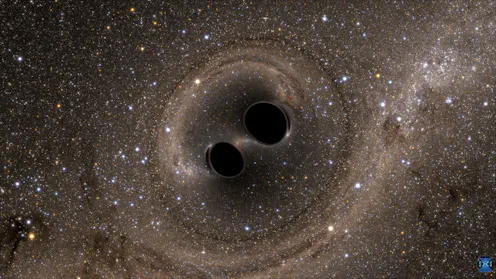
Scientists have made a third detection of gravitational waves, again caused by the merger of two black holes. But they think there’s something different about the black holes in this case.

On the journey to discovery with the ‘gifted mentor’ Takaaki Kajita, one of this year’s Nobel Prize winners, from some one who studied with him.
Contact Eric for
- General
- Media request
- Speaking request
- Consulting / Advising
- Research collaboration
- Research supervision
- Website
- Article Feed
- ORCID
- Joined
