
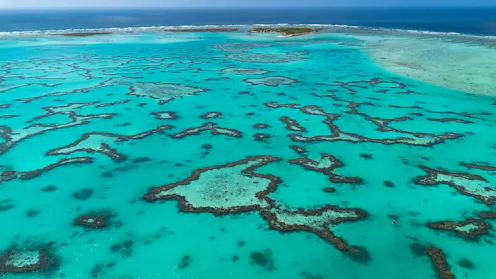
Bleached coral draws our attention, but marine heat does damage to many unseen parts of these ecosystems.
- Professor and Deputy Vice-Chancellor (Research), University of Sydney
Overall, women receive a smaller share of research funding – but it’s not due to how applications are weighed up. The problem starts with the workforce itself.
The recent State of the Environment report assessed nature’s impact to Australians’ wellbeing for the first time. Here’s what it found.
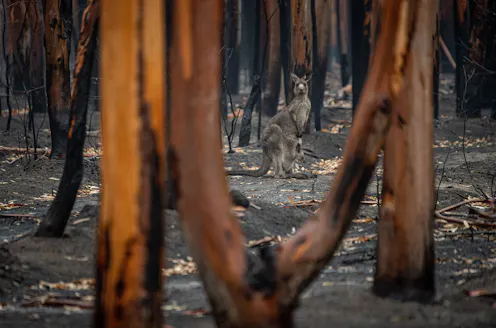
Three chief authors of the State of the Environment Report provide its key findings. While it’s a sobering read, there are a few bright spots.
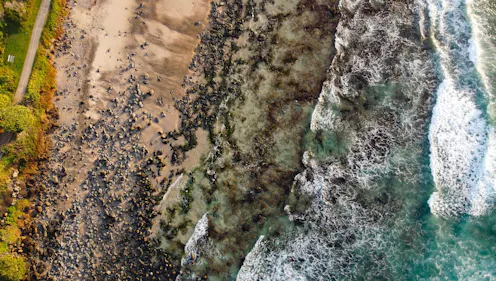
Australia’s coastline spans more than 33,000km – and there are myriad marvellous marine animals we share this space with.
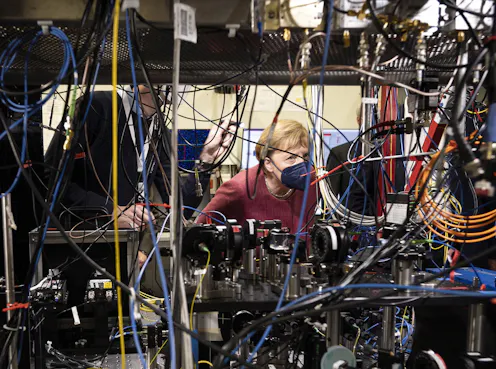
Only 7% of Australia’s federal MPs have backgrounds in science. What would it look like if they were a majority?
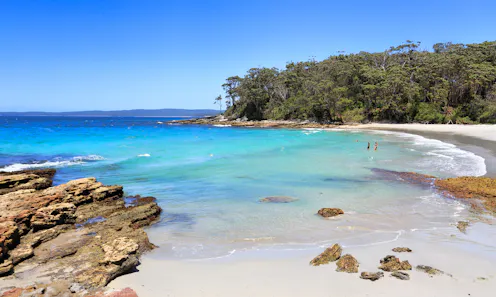
Partially protected areas don’t have more wildlife than unprotected areas. They consume conservation resources and occupy space that could otherwise be allocated to more effective protection.
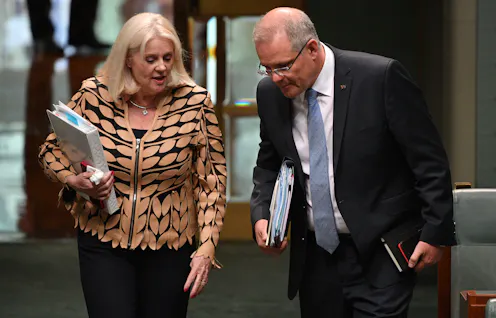
We’ve had ten federal ministers with titular responsibility for science since 2007 – five under the coalition and five under Labor. That variation and a lack of consistent vision has an impact.

A study or more than 500,000 surveys shows university students demonstrate bias against women teachers, and particularly women from non-English speaking backgrounds.
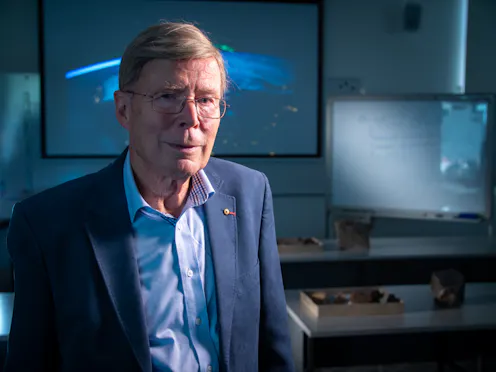
The 2018 Prime Minister’s Prizes for Science were awarded at Canberra’s Parliament House on October 17. Along with the top prize, life science, physics, innovation and teaching were recognised.
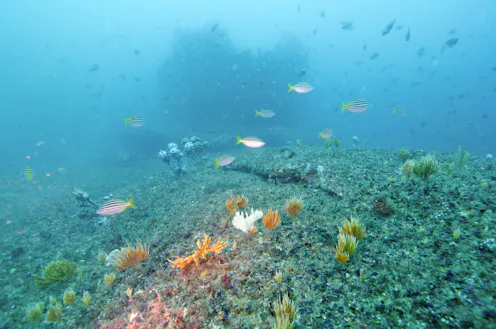
Pumping very salty water into the ocean has surprisingly little impact on marine life.
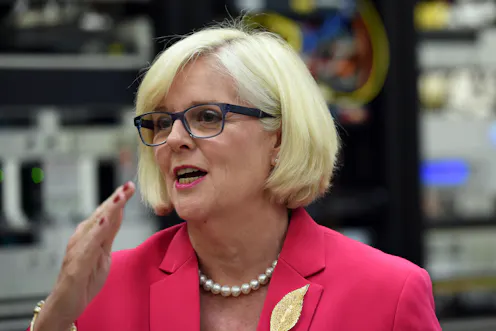
Her track record suggests Andrews is likely to be a strong advocate and effective representative for the science, technology, engineering and mathematics (STEM) sector. But many challenges remain.

The federal government released its National Science Statement today, reinforcing its commitment to science and innovation. But does it do enough?
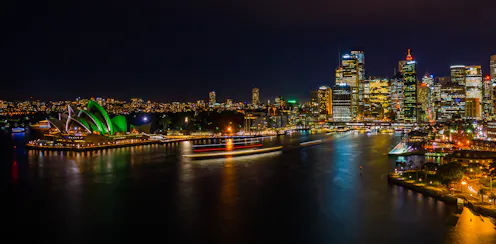
Light pollution is changing the day-night cycle of some fish, dramatically affecting their feeding behaviour.
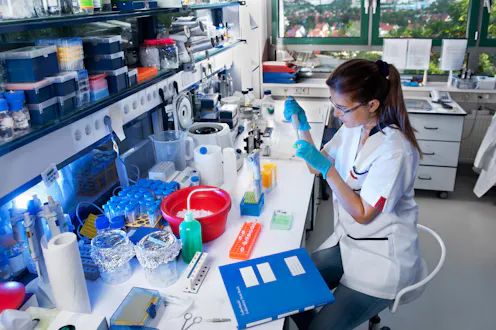
Australia has never been short of inventors, scientists aren’t always at home in the ruthless world of commerce. But if they can be given a helping hand, it could help the entire economy.
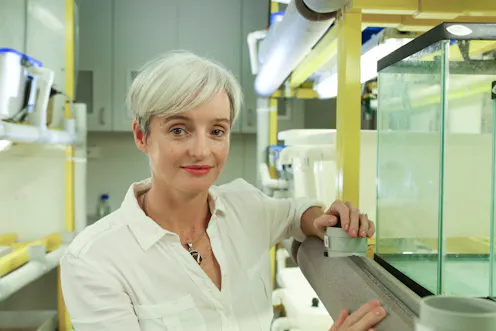
Men still outnumber women in senior positions in Australian universities and other workplaces. Women are pushing for change but it’s men who can help redress the gender balance.
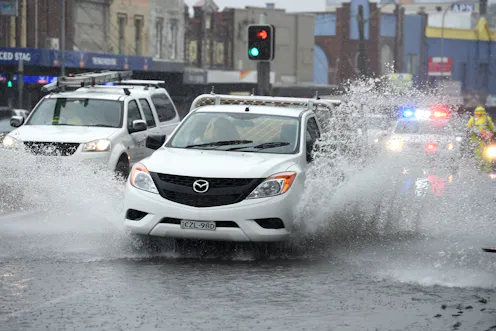
Storms like those that lashed Australia’s east coast flush pollution out to sea.
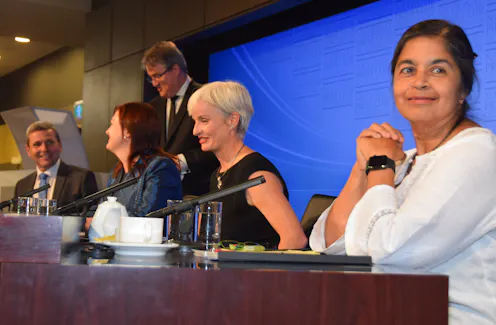
If we want a genuine ideas boom in Australia, then we need to remove the barriers preventing women from reaching the highest levels in science.

The 2011 Japan tsunami illustrates how more marine creatures are crossing the oceans than ever before - and not all of them are friendly travellers.
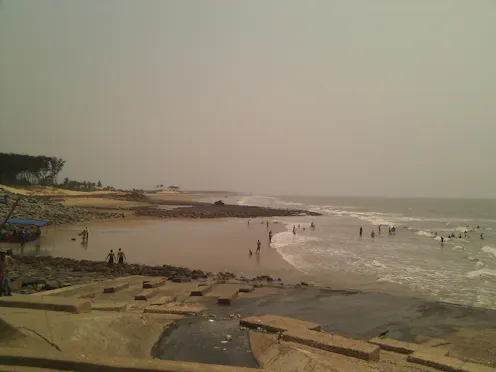
There are more bacteria in the ocean than stars in the known universe. New genetic techniques are letting us use microbes as early warning systems for oceans in trouble from pollution and other stresses.
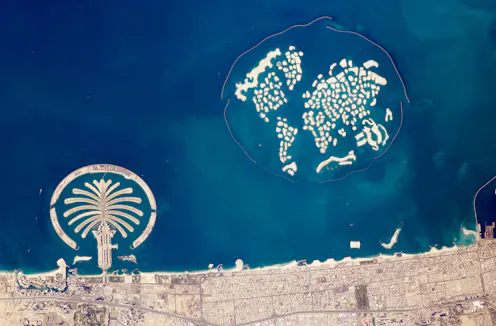
Urban sprawl has spread to the sea, as more and more man-made structures are being built along the world’s coastlines. Just as we do on land, we need to think about how to build sustainably at sea.
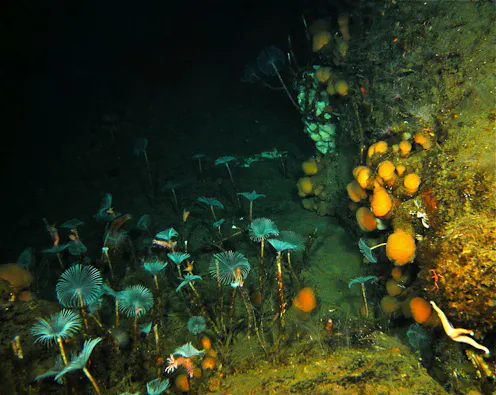
It is no secret that climate change is transforming the polar regions. Retreating glaciers, melting ice-caps and changing sea ice patterns are frequently reported in both the Arctic and Antarctic, and…
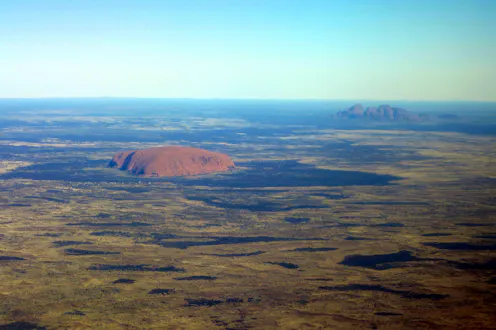
Australia boasts over 500 national parks covering 28 million hectares of land, or about 3.6% of Australia. You could be forgiven for thinking we’re doing well in the biodiversity-conservation game. But…
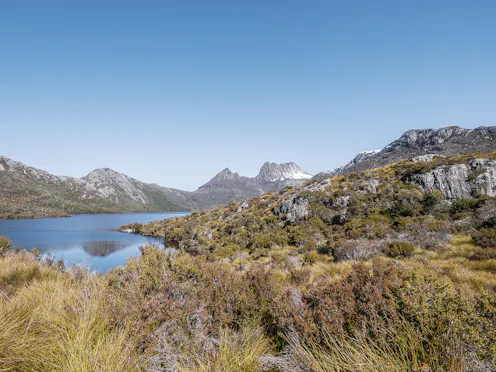
It’s make or break time for Australia’s national parks. National parks on land and in the ocean are dying a death of a thousand cuts, in the form of bullets, hooks, hotels, logging concessions and grazing…
Contact Emma for
- General
- Media request
- Speaking request
- Consulting / Advising
- Research collaboration
- Research supervision
- Location: Sydney, Australia
- X (formerly Twitter): @DrEmmaLJohnston
- Article Feed
- ORCID
- Joined
