
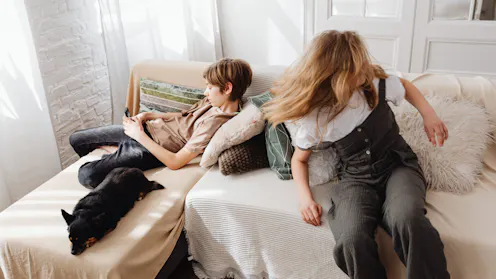
When you’re pulled into a dispute with your kids, resist running a court case. We want to build our children’s conflict resolution skills instead.
- Associate Professor in Psychology, Deakin University

If your child has ever dug their heels in on the morning of school athletics day, or refused to speak in front of the class, you’re not alone.
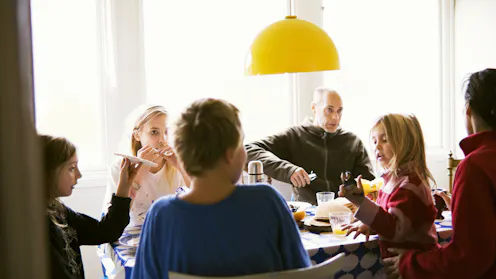
Get-togethers with friends and family are fun but rarely perfect. Children can feel overwhelmed or overexcited. Adults get triggered.

The excitement of tearing into gifts is often mixed with intense anticipation – and sometimes, disappointment.
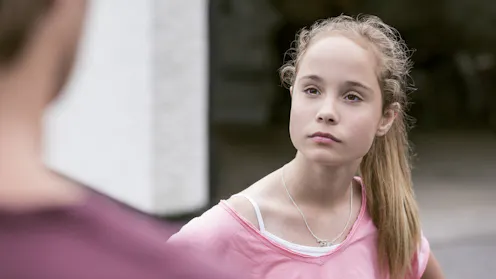
Angry, sad, worried, anxious. If your teen has ‘big feelings’ after the social media ban, here’s how to support them and keep your relationship intact.

These conversations don’t have to be frightening. There are age-appropriate ways to teach kids shame-free language about bodies and boundaries.

If you are caring for kids and young people during the crisis, try and stay as calm as you can and let family members talk about their feelings.

The festive season can evoke feelings of loss or sadness, especially when holiday messaging focuses on being together.

If you’ve ever found yourself cringing when your child suddenly starts talking in a high-pitched, baby-like voice, you’re not alone.
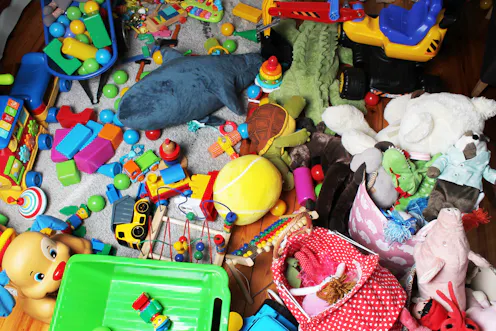
There are developmental reasons for children being messy. But there are ways to encourage your child to look after their rooms without stressful conflict.

Si le perfectionnisme peut être un moteur de réussite, il peut aussi devenir une source d’anxiété. Quelques pistes pour aider les enfants à gérer ce trait de caractère à double tranchant.
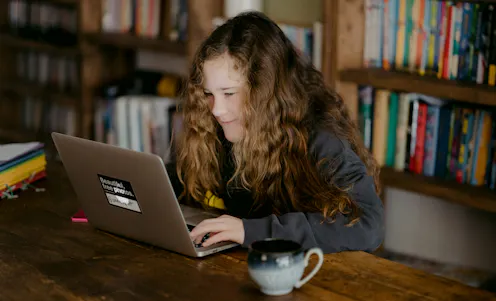
Children and adolescents may experience perfectionism in relation to school work, sport, performance in art or music, or in relation to their own body. Here’s how parents can tackle it.

In the space of three days, there have been two devastating knife attacks. Your child may have seen these on the news or social media. Or they might be hearing about it from friends.

Many of us grew up not talking about emotions. But as modern parents, we’re told we need to teach our children about their feelings to build their resilience. So how do we do it?
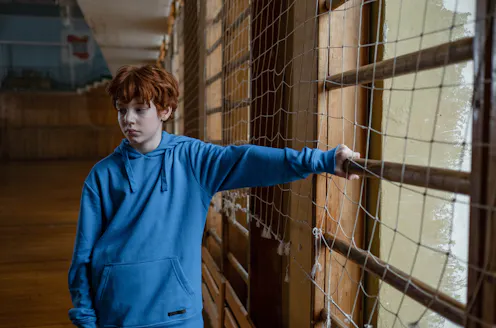
Anxiety symptoms vary from child to child, and by age. But there are some common signs to watch for.

You can still tell the truth without ruining everyone’s Easter. Here are some tips.
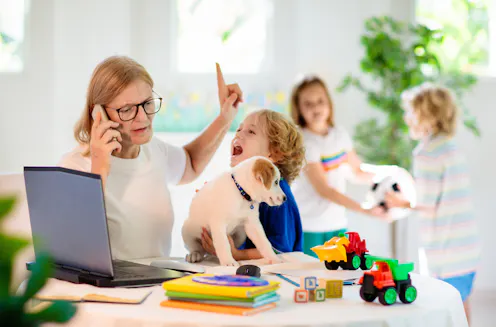
When we asked parents how they were going during Australia’s first lockdown, they told us about their stresses, challenges and joys. And policymakers need to hear this.
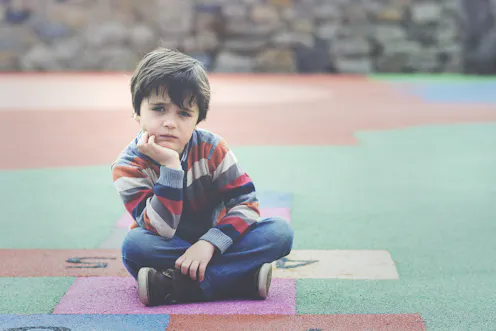
Every child develops at a different pace so it can be difficult to know what’s normal.
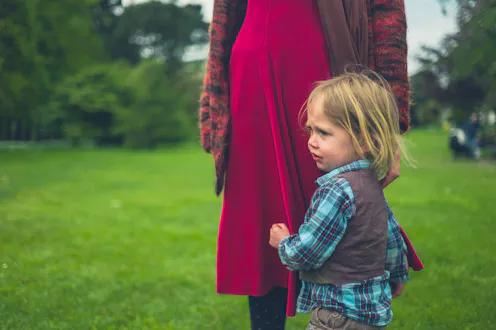
When children are being clingy, they’re communicating their feelings. This is normal and healthy. Parents can help by acknowledging the feelings that come with their child’s behaviour.
Contact Elizabeth for
- General
- Media request
- Speaking request
- Consulting / Advising
- Research collaboration
- Research supervision
- Location: Melbourne, Australia
- Website
- X (formerly Twitter): @LizWestrupp
- Article Feed
- ORCID
- Joined
