
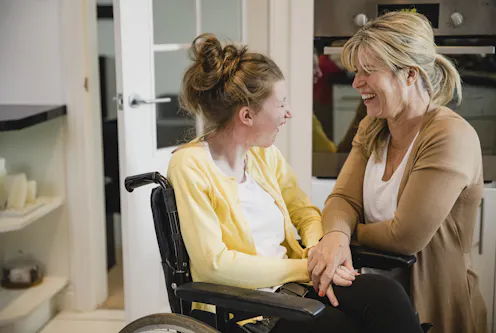
According to the latest ABS survey, there are now 5.5 million Australians with disability. What’s driving the increase?
- Professor, Director, Griffith Inclusive Futures, Griffith University, Griffith University
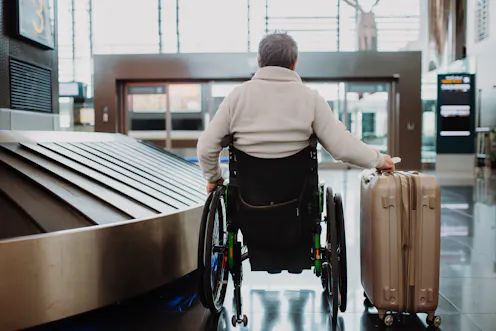
If a former disability discrimination commissioner can be subjected to humiliating treatment at an airport, it’s likely the travel experiences of ‘everyday’ Australians with disability are even worse.

Currently, when someone turns 65 they are not eligible to apply for NDIS support, even if they had disability before then. We asked experts if that should change.
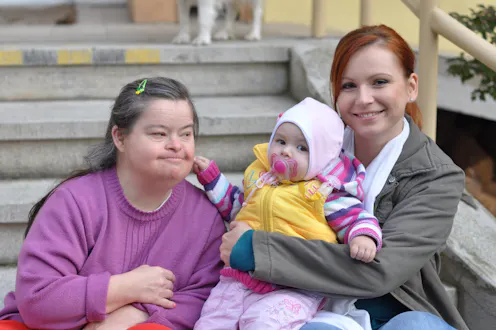
For too long, people with disability have been stripped of their autonomy, self-determination and dignity when it comes to accessing sexual and reproductive health care.

Disability has been called the world’s largest minority and is a group any person can join at any time in their life. It befits us all to dismantle discrimination.
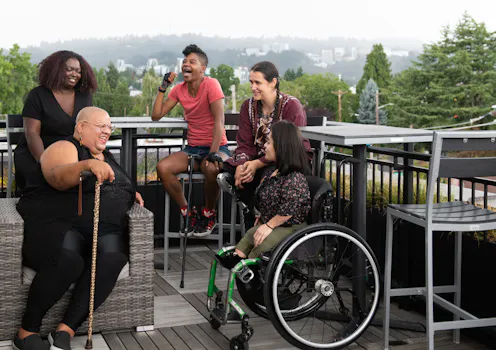
There could be lots of reasons why people with disability decline or don’t want offers of help. Research at the Dignity Project at Griffith University shows there is no ‘one-size fits all’ approach.

For many Australians, there is no clear distinction between the two labels: chronic conditions can result in disability and disability can increase vulnerability to a range of chronic conditions.
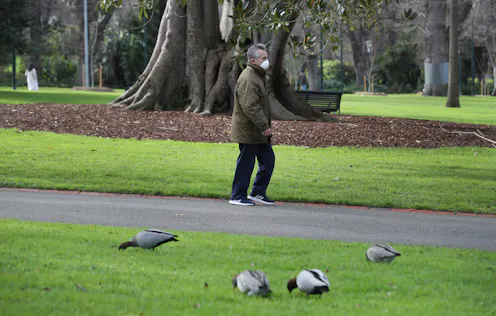
Melbourne’s stage 4 lockdown forbids residents travelling more than 5km from home during their daily hour of exercise. Fine for those in leafy suburbs, but not for those with less greenery nearby.
Research in the humanities, arts and social sciences is often driven by philosophies of social justice and public benefit, which don’t always sit comfortably with commercialisation.
Contact Elizabeth for
- General
- Media request
- Speaking request
- Consulting / Advising
- Research collaboration
- Research supervision
- Website
- Article Feed
- ORCID
- Joined
