
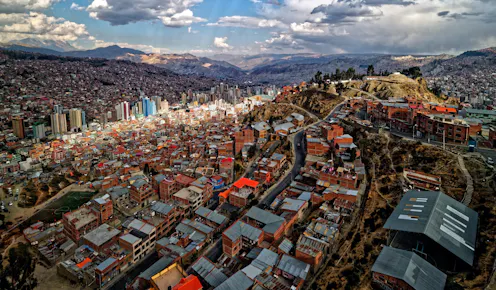
Aquellos ciudadanos con menos recursos suelen vivir en las áreas con una topografía más accidentada y tienen, por tanto, una menor facilidad para acceder a infraestructuras y servicios urbanos.
- Senior Lecturer in Urban Planning and Urban Design, The University of Melbourne
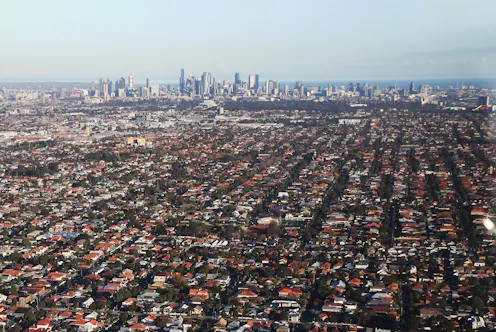
Despite adopting the goal of creating medium-density neighbourhoods to end urban sprawl, our cities have struggled to achieve it. Confused debates about ‘good density’ are part of the problem.
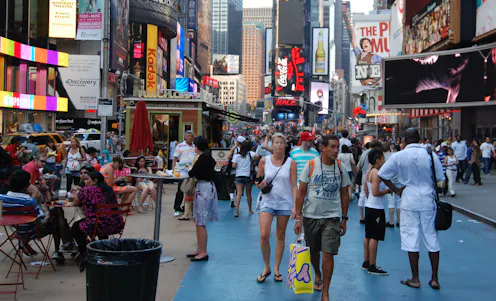
The internal density and layout of buildings are key factors in COVID-19 transmission risk. This is not an argument against high-density cities, some of which have successfully contained the virus.
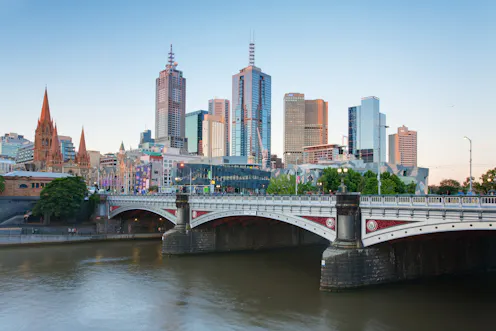
We’re still in the early days of understanding how cities work. But we do know that creative, healthy and productive cities have certain things in common – and it’s all to do with their ‘urban DMA’.
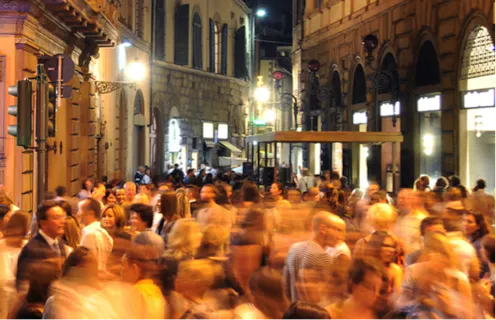
One person’s high density may be another’s sprawl; the same tall building may be experienced as oppressive or exhilarating; a “good crowd” for one can be “overcrowded” for another.
Contact Elek for
- General
- Media request
- Speaking request
- Consulting / Advising
- Research collaboration
- Research supervision
- Location: Melbourne, Australia
- Website
- LinkedIn: elekpafka
- Article Feed
- ORCID
- Joined
