

A new film about the climate emergency is designed to change behaviour. But there’s a risk that in-depth discussions replace action.
- Assistant lecturer in Psychology, Kingston University

Steven Soderbergh’s new film raises important questions about authenticity, creative ownership and racism in the art world.
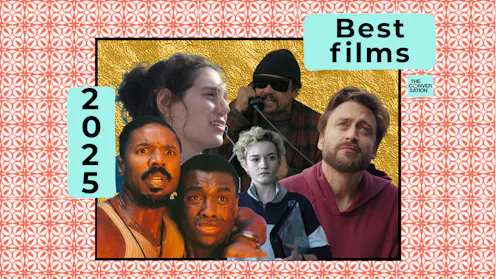
From exhilarating political thrillers and blues-soaked vampire tales to thoughtful meditations on trauma and the horrors of human psychology.

Shows like Stranger Things allow us to practice emotional resilience and threat assessment without real-world consequences.

Environmental stress systematically activates the psychological vulnerabilities that drive criminal behaviour.
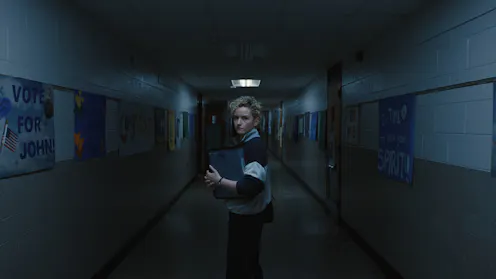
La película muestra cómo el propio cerebro de una persona puede transformarla en el villano de la historia de otra persona.
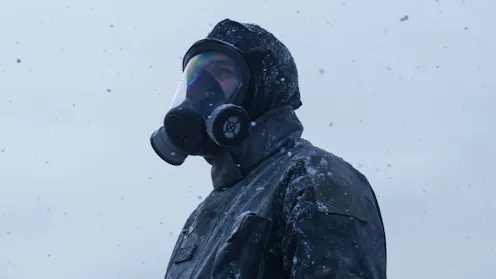
El uso innovador de la IA generativa en el metraje final de una serie plantea al público preguntas que tienen su origen en lo más profundo de la psicología humana.
The film illustrates how someone’s own brain can transform them from a decent person into the villain in someone else’s story.
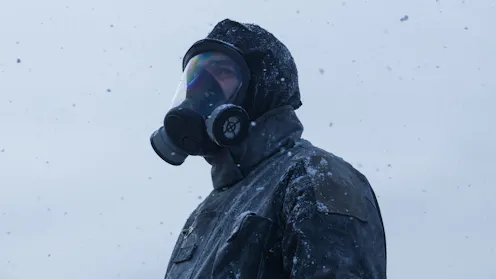
The groundbreaking use of generative AI in final film footage begs questions of the audience that are rooted in deep human psychology.
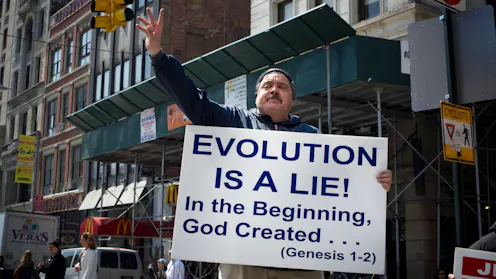
Fundamentalists don’t necessarily examine evolution and then reject it; they tend to start with the conclusion that it must be false and work backwards.
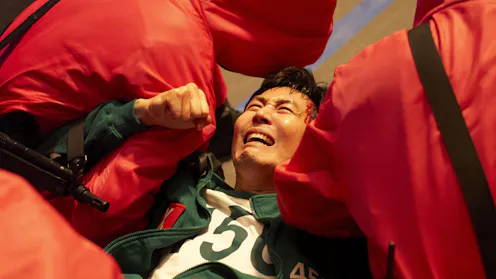
The show reveals the dark psychology of how money problems affect every decision we make.
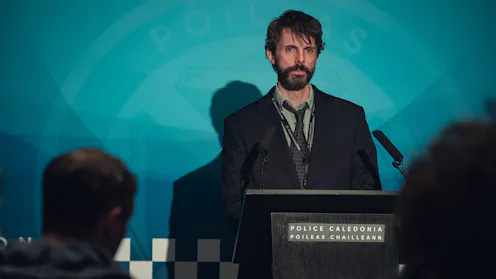
Carl Mork is depressed, traumatised and unlikeable. His team are a bit odd too. Surprisingly, they’re all very good at their jobs.
Contact Edward for
- General
- Media request
- Speaking request
- Consulting / Advising
- Research collaboration
- Research supervision
- Location: London, United Kingdom
- LinkedIn: https://www.linkedin.com/in/edward-white-39321a25/
- Article Feed
- ORCID
- Joined
