
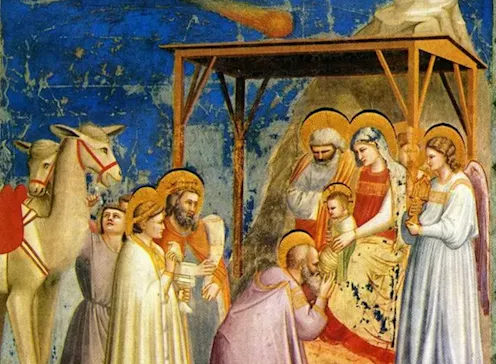
Or perhaps there was no star at all.
- Associate Professor, School of Physics, The University of Melbourne
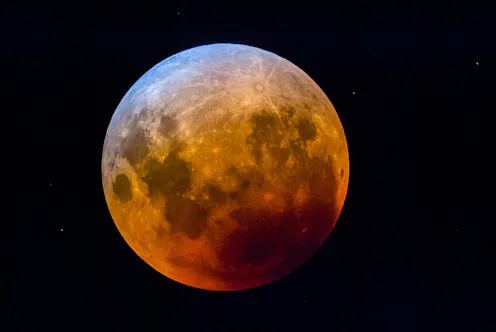
A lunar eclipse ceremony from the Torres Strait turns our understanding of the history of science on its head.
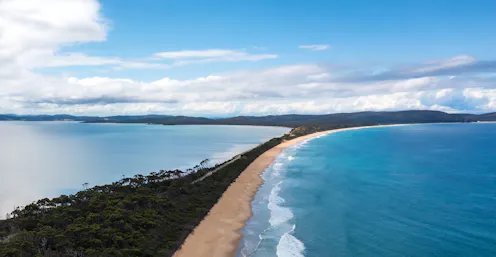
Ancient stories of the sea and the sky date back to the end of the last ice age.
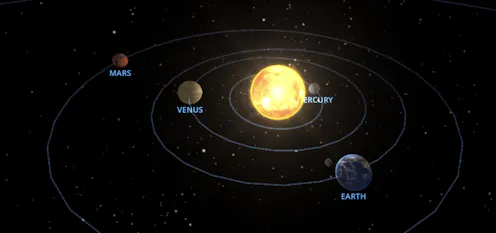
Mars, Venus and the crescent Moon will all come together in the sky just after sunset on Tuesday.
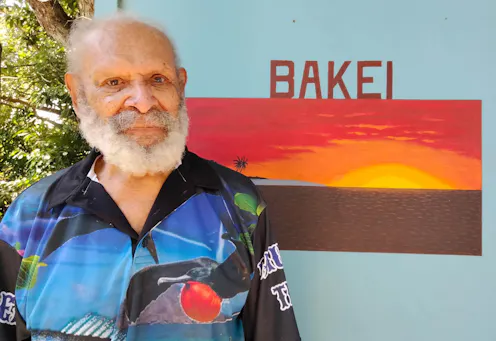
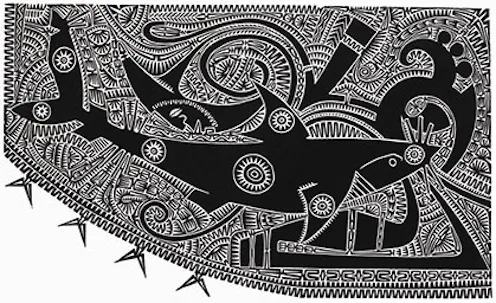
Uncle Segar is an expert on many things including the land, sea and sky. This knowledge is then captured in his artworks.
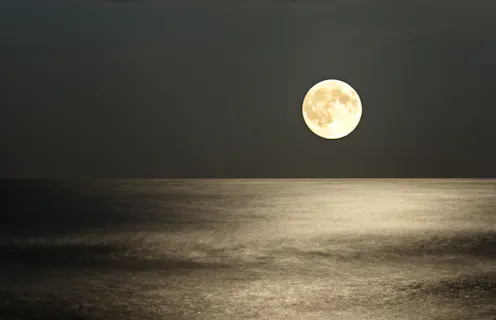
The Moon is not only a guide to the best time to fish and plant food, it also provides evidence of a long connection between the people on different islands in the Torres Strait.
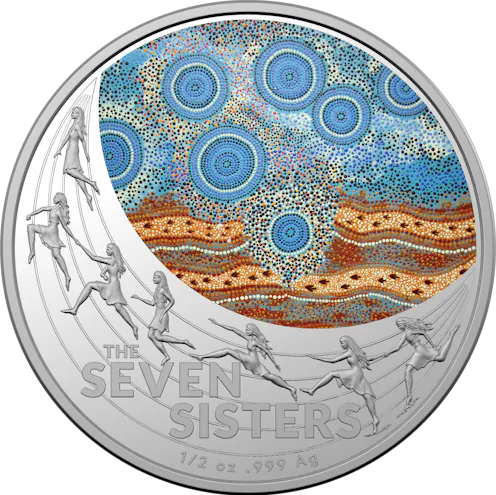
Two new coins released by the Royal Australian Mint celebrate Indigenous astronomers, who have used the stars to map changing seasons, inform the behaviours of plants and animals, and encode Law.
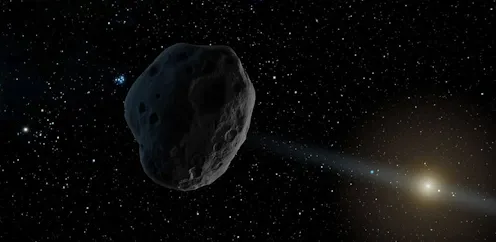
Following on from the 2019 International Year of Indigenous Languages, 2020 has seen 5 asteroids given new names recognising the contribution of illustrious Aboriginal and Torres Strait Islander people.

Around the world and throughout history, we find remarkably similar constellations defined by disparate cultures, as well as strikingly similar narratives describing the relationships between them.
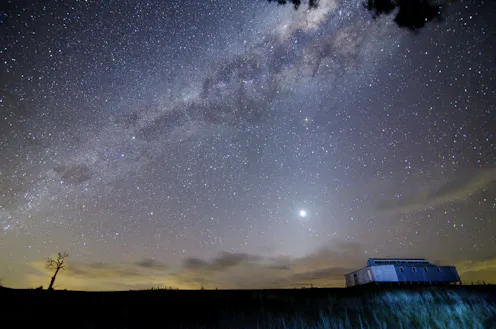
The planets we can see in the sky were known to the ancient Greeks as ‘wandering stars’. But they appeared much earlier in the stories and traditions of Australia’s Indigenous people.

When and where you see the Moon in the daytime depends on what phase it is in.
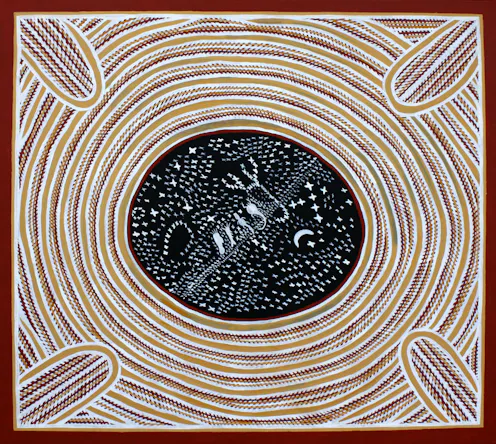
Four star names from Aboriginal Australia have been recognised by the International Astronomical Union. So what are they and where to find them?
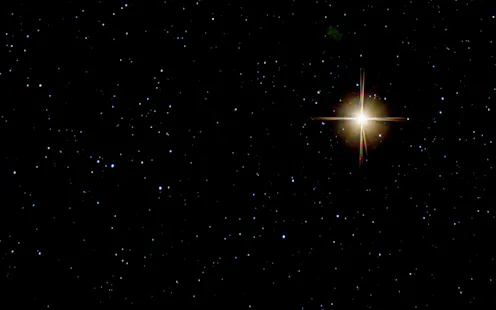
A new look at some of the oral traditions of Aboriginal Australians shows a deep understanding of three red-giant variable stars, long before European observers.
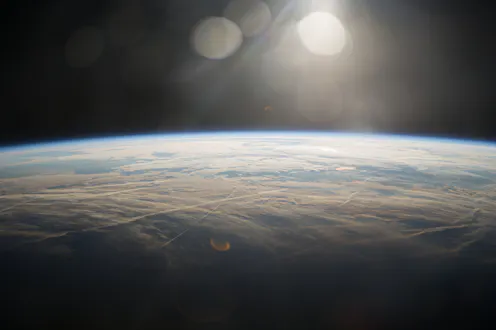
Some people think the sky is blue because of sunlight reflected off the ocean and back into the sky. But that’s not the real reason.
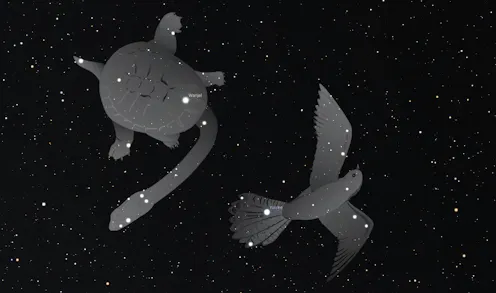
Many of the constellations we know in the night sky come from myths of the ancient Greeks. But similar stories are told by the oldest living cultures on Earth, including those of Australia.
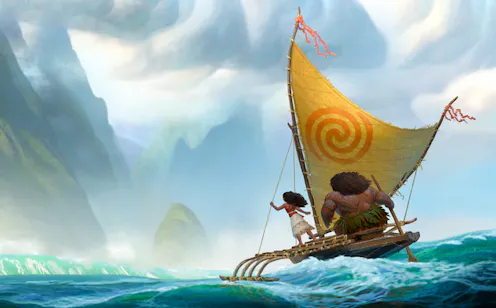
Disney’s Moana has a remarkably accurate depiction of how Polynesian peoples navigate by the stars, and draws attention to the richness of Indigenous astronomy.
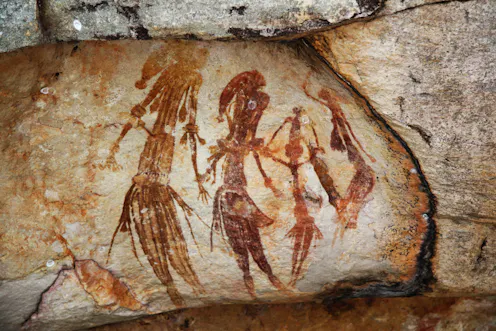
How an ancient Aboriginal memory technique may uncover the meaning behind archaeological sites across the globe are revealed in a new book, The Memory Code.
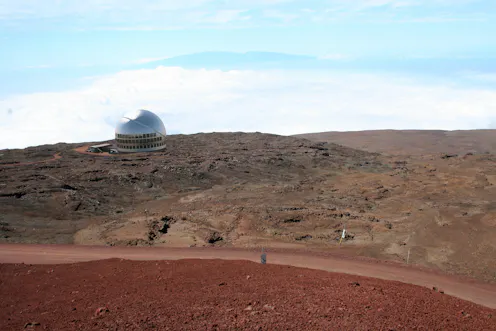
Plans to build a new telescope on a Hawaiian mountain highlight the complexities and sensitivities that arise when science interacts with indigenous communities.
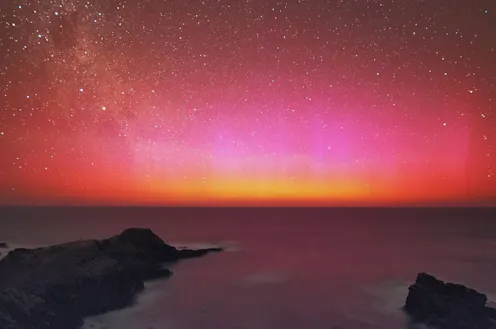
The southern lights that put on a show recently across parts of Australia are easily explained by science. But some cultures have their own explanation for these dazzling lights in the sky.
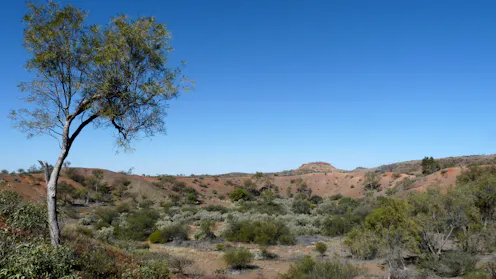
We can learn much about meteor strikes in ancient Australia by examining the oral traditions of indigenous people.
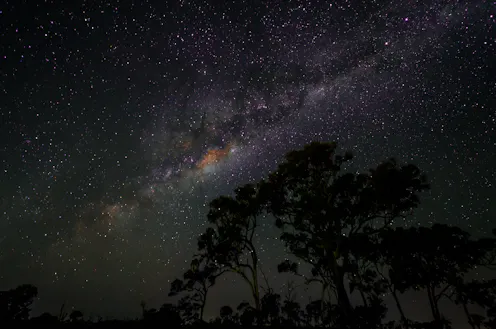
Aboriginal and Torres Strait islander people have between 40,000 and 60,000 years of pre-colonial history that includes stories of constellations they observed in the night sky and traditions that align…
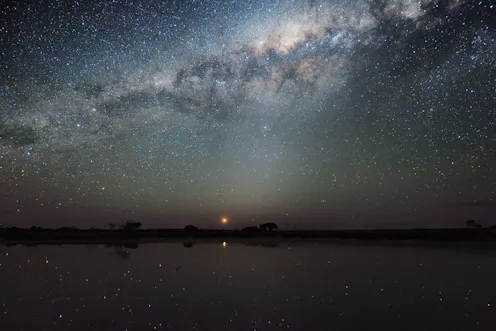
Indigenous Australian practices, developed and honed over thousands of years, weave science with storytelling. In this Indigenous science series, we’ll look at different aspects of First Australians’ traditional…
Technology has, without doubt, expanded our understanding of space. The Voyager 1 space probe is on the brink of leaving our solar system. Massive telescopes have discovered blasts of fast radio bursts…
Contact Duane for
- General
- Media request
- Speaking request
- Consulting / Advising
- Research collaboration
- Research supervision
- Location: Melbourne, Australia
- Website
- Article Feed
- ORCID
- Joined
