
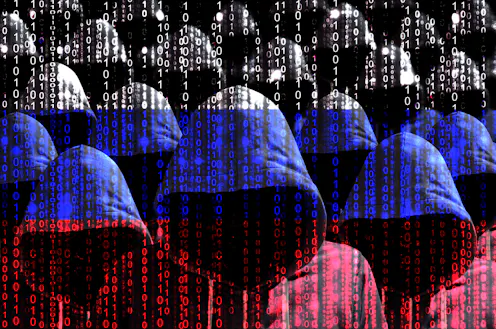
The Russian cyberthreat, now targeting coronavirus vaccine research, goes back over three decades, extends into the country’s educational systems and criminal worlds, and shows no signs of letting up.
- Emeritus Distinguished Professor of Defense Analysis, Naval Postgraduate School

The Iranian military operates cyber espionage and sabotage through a network of dozens of contractors, allowing the state to attack foes while denying involvement.
Major advances in computing technology could break most modern encryption – but not for at least a few years.
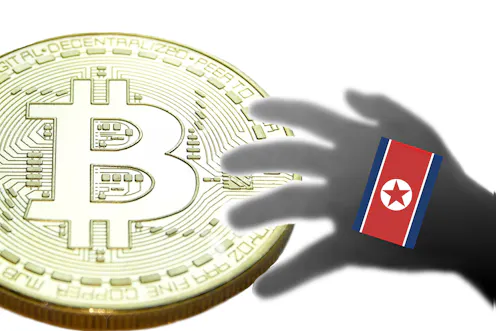
North Korea’s cyber army is closely controlled by the ruling regime – a key difference from other countries’ cyberattack and espionage groups.
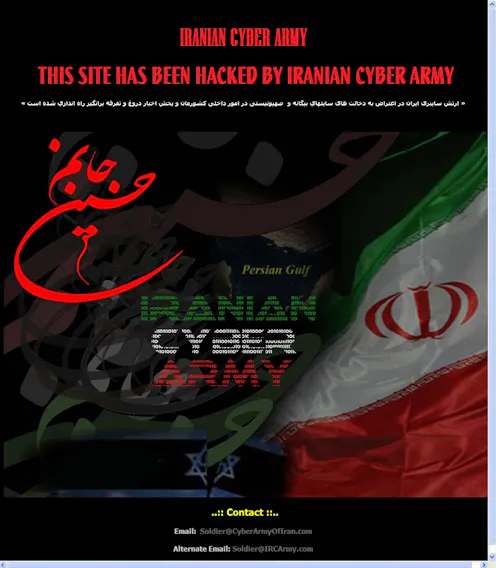
Iranian cyberthreats come from independent hacker groups and from those suspected of having government ties. Their efforts may be part of a campaign to counterbalance other international powers.

The cyberthreat from China is one more of espionage than destruction. And it’s changing – perhaps even lessening.
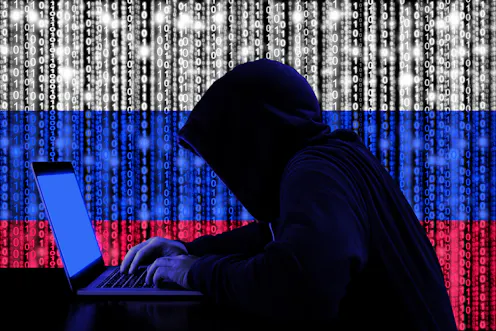
The Russian cyberthreat goes back over three decades, extends into the country’s educational systems and criminal worlds, and shows no signs of letting up.

For decades, deterrence has effectively countered the threat of nuclear weapons. Can we achieve similar results against cyber weapons?
Contact Dorothy for
- General
- Media request
- Speaking request
- Consulting / Advising
- Research collaboration
- Research supervision
- Location: Monterey, California, U.S.
- Website
- Article Feed
- Joined
