
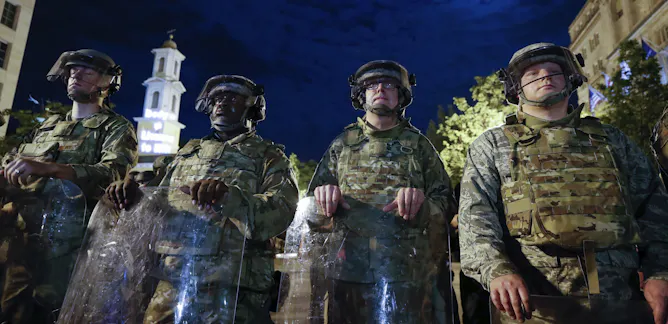
Trump wanted to turn the US military on American citizens while he was president. He has increaslngly said he would do so if he wins the White House in 2024.
Naval Postgraduate School

The mission of the Naval Postgraduate School is to provide relevant and unique advanced education and research programs to increase the combat effectiveness of commissioned officers of the Naval Service to enhance the security of the United States. In support of the foregoing, and to sustain academic excellence, NPS and the DON foster and encourage a program of relevant and meritorious research which both supports the needs of Navy and Department of Defense while building the intellectual capital of Naval Postgraduate School faculty.
Links
Articles

Russian information warriors have the capacity to damage critical US infrastructure systems.

The US has made a dent in Russian cyber criminal gangs. But tensions with Russia and the shadowy nature of hacking keep the threat level high.

As Election Day approaches, Americans would do well to remember they are targets of disinformation campaigns. Here’s what they could look like, and what’s being done about them.
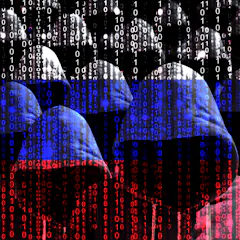
The Russian cyberthreat, now targeting coronavirus vaccine research, goes back over three decades, extends into the country’s educational systems and criminal worlds, and shows no signs of letting up.

Warnings about major disease outbreaks are supposed to come from national and international medical intelligence and surveillance agencies that most Americans have never heard of.
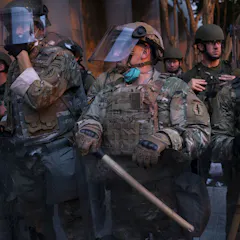
There is a long line of military heroes who had the moral courage not to follow immoral orders. In the days ahead, some may have to consider what exactly their oath to the Constitution requires.

The Iranian military operates cyber espionage and sabotage through a network of dozens of contractors, allowing the state to attack foes while denying involvement.
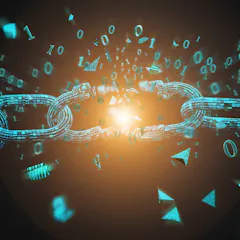
Major advances in computing technology could break most modern encryption – but not for at least a few years.

North Korea’s cyber army is closely controlled by the ruling regime – a key difference from other countries’ cyberattack and espionage groups.

Iranian cyberthreats come from independent hacker groups and from those suspected of having government ties. Their efforts may be part of a campaign to counterbalance other international powers.

The cyberthreat from China is one more of espionage than destruction. And it’s changing – perhaps even lessening.
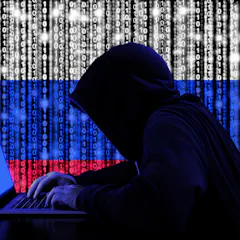
The Russian cyberthreat goes back over three decades, extends into the country’s educational systems and criminal worlds, and shows no signs of letting up.

For decades, deterrence has effectively countered the threat of nuclear weapons. Can we achieve similar results against cyber weapons?
