

If the Opportunity Party holds the balance of power after the election, its ‘honouring te Tiriti’ policy could be a deal maker – or breaker.
- Adjunct Professor, Stout Research Centre, Victoria University of Wellington and Auckland University of Technology, Professor of Political Science, Charles Sturt University
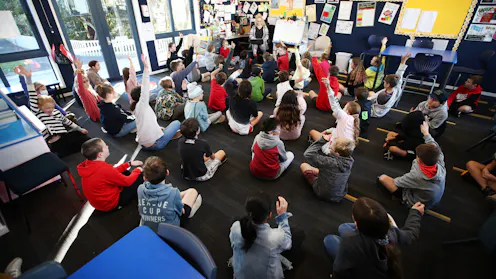
Taking away the duty of boards to give effect’ to te Tiriti o Waitangi undermines the expectation that schools should work for Maori as well as for anyone else.
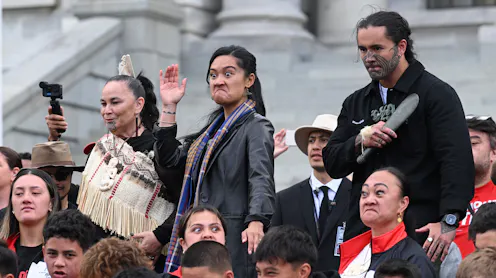
As the deadline approaches for Te Pāti Māori MPs to appear before the Privileges Committee, the place of tikanga in our democratic institutions is the real issue.
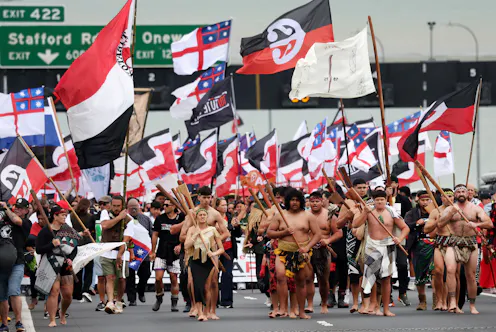
What is the ‘truth’ about colonialism and its modern relevance? This complex question is testing political consensus not only in New Zealand, but in other post-colonial societies too.
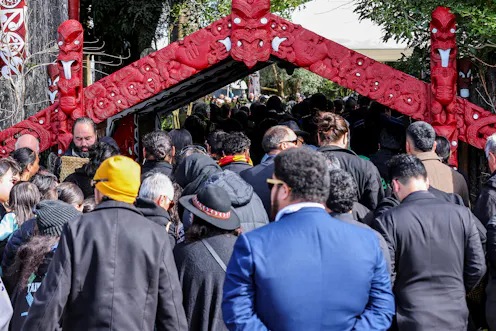
With the death of Kīngi Tūheitia at a time of heightened tensions around Māori-Crown relations, the Kingitanga movement’s founding principle of kotahitanga – unity – remains as relevant as ever.
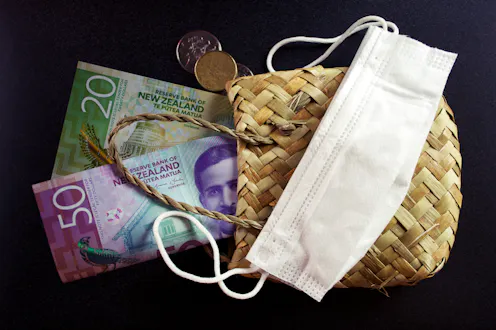
David Seymour’s expectation that drug-buying policy be based on need rather than ethnicity misses the point: the Treaty of Waitangi is already about equality, and can help guide good decisions.

While the New Zealand government removes reference to the Treaty in the Oranga Tamariki Act, Canada and even Australia are taking steps in the opposite direction on Indigenous children’s rights.
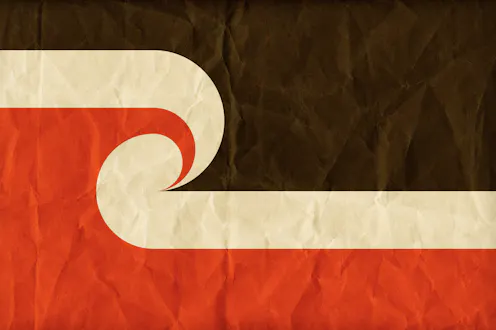
Rather than leave the Treaty principles to parliament and the courts to define, why not embed the essence of the Treaty articles themselves in all laws?
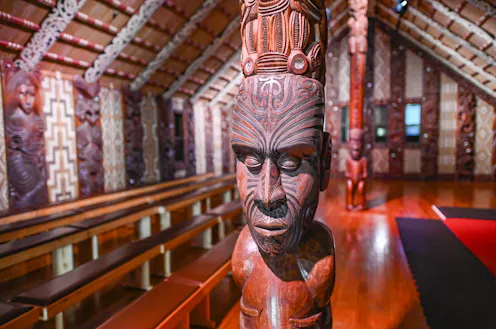
ACT’s Treaty Principles Bill assumes Māori have been granted special privileges. But it can equally be argued the Treaty prevents the undemocratic concentration of power in the hands of a few.
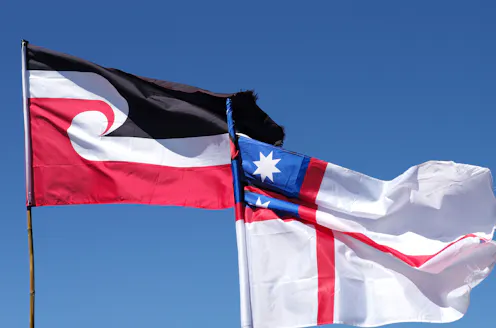
The ACT Party claims revisiting the principles of the Treaty of Waitangi is about political equality. But removing a Māori cultural dimension to New Zealand’s democracy would have an opposite effect.
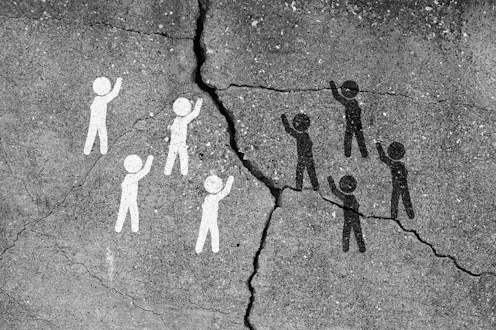
Arguments against including Indigenous cultural perspectives and experiences in public policy have spilled over into prejudice and racism on both sides of the Tasman. That harms democracy.
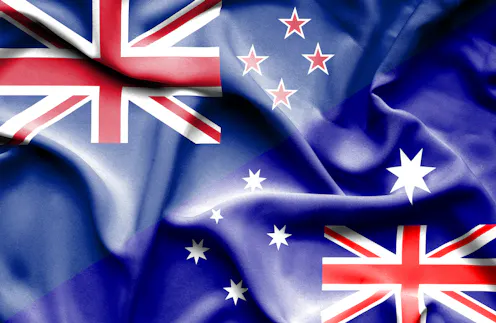
Outgoing New Zealand MP Jamie Strange used his valedictory speech to propose a trans-Tasman political union. Wondering how that might work reveals just how different the two countries really are.
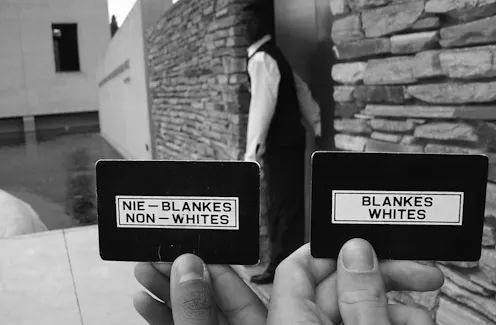
Some media and politicians have been comparing the First Nations Voice to Parliament to apartheid. However, ensuring First Nations peoples have their views heard by parliament is not the same thing.
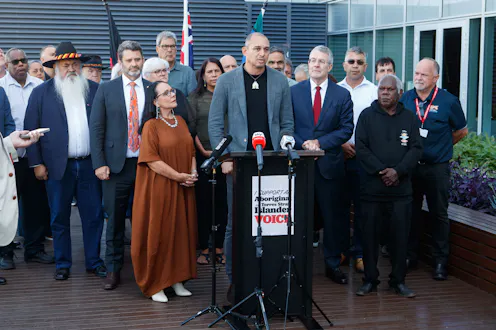
The proposed Voice to Parliament is a First Nations advisory body. The way New Zealand have ensured Māori representation in Parliament could be a better way to approach Indigenous self-determination.

Otago University has followed Massey in aspiring to be a “Tiriti-led” institution. But this implies being on the Crown side of the partnership – which is not where a university should be.
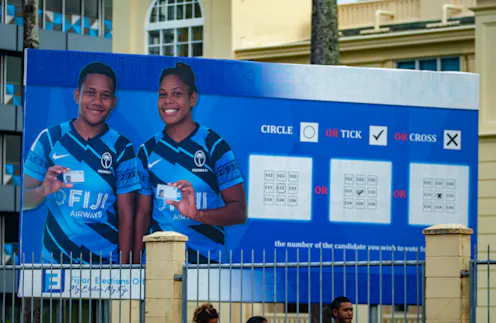
Fijians go to the polls next week, but the country’s constitution still entrenches ultimate power and authority in the military.
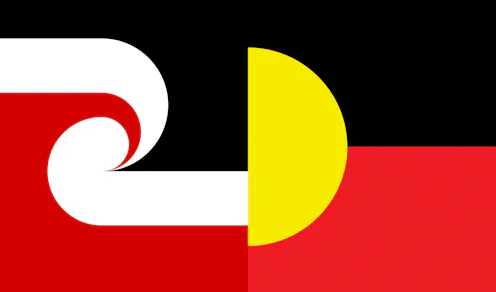
When public services don’t work for Indigenous peoples, it’s more than just a case of policy failure. As long as colonial assumptions are embedded in the system, there can never be real progress.

David Seymour says misinterpretation of the Treaty risks creating an ‘ethno-state’. But ‘Critical Tiriti Analysis’ aims to enhance democracy by ensuring a Māori voice at the heart of policy making.
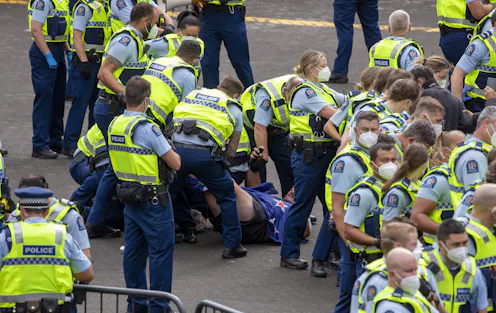
The de-escalation strategy of Canadian police didn’t shift the protesters in Ottawa. With public confidence in the New Zealand police on the line, the political ramifications are serious.
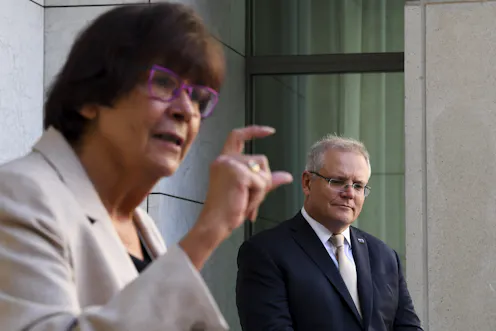
Last month, the government published the Indigenous Voice co-design final report. However, ways to ensure First Nations self-determination remain lacking in the strategy.
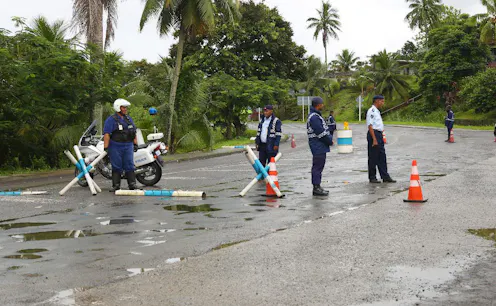
By arresting opponents of proposed land rights legislation, Frank Bainimarama again squashes democratic debate at a time when Fiji urgently needs it.
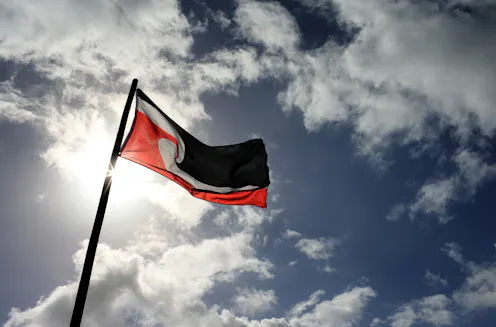
Contrary to some claims, He Puapua is not a ‘plan’ and it doesn’t advocate for ‘separatism’. Rather, it invites us to imagine more inclusive political and constitutional arrangements.
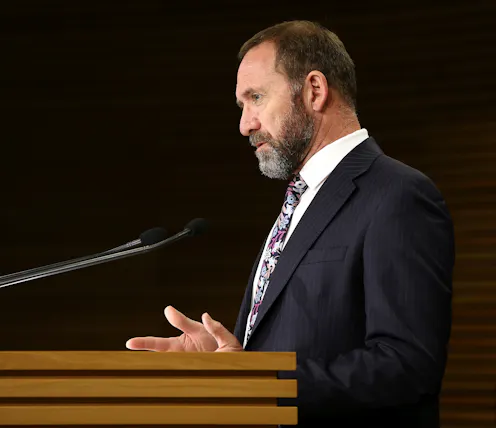
The announcement of a new Māori health authority could radically transform health outcomes for Māori, but its success depends on how independent and accountable it will be.
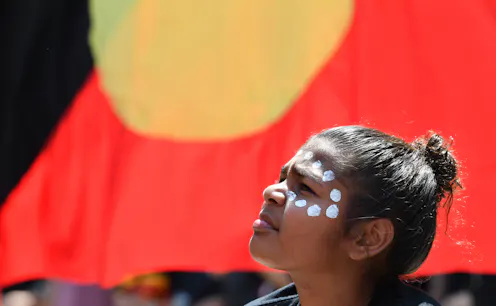
Recognition is about sovereignty, or how political authority is distributed. It can be transformative — not merely a symbolic step.
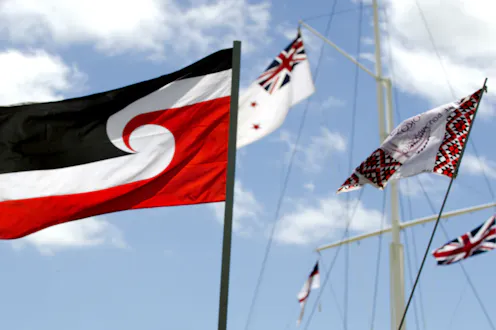
The struggle to establish Māori wards centres on the rights and privileges of citizenship promised in the Treaty of Waitangi.
Contact Dominic for
- General
- Media request
- Speaking request
- Consulting / Advising
- Research collaboration
- Research supervision
- Location: Canberra, Australia
- Website
- X (formerly Twitter): @indigpolitics
- Article Feed
- ORCID
- Joined
