
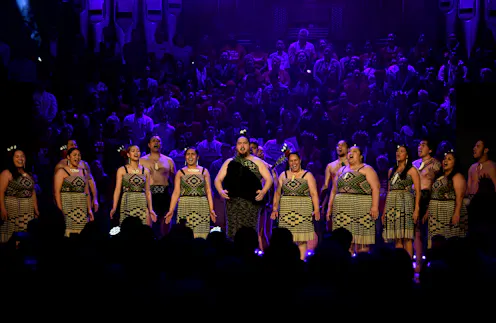
The impact of colonialism can’t be reversed, but as New Zealand implements the UN declaration new ideas emerge of a state that represents first peoples more fairly.
- Adjunct Professor, Stout Research Centre, Victoria University of Wellington and Auckland University of Technology, Professor of Political Science, Charles Sturt University
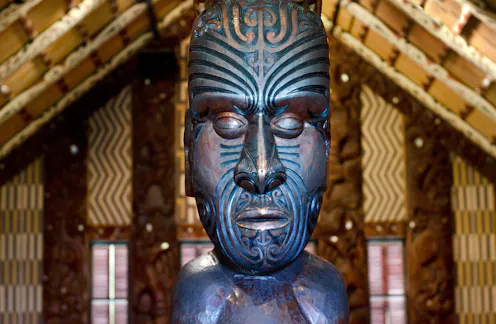
There are repeated calls for agency to be run by Māori and focused on improving Māori health, but so far nothing has been done.

If perception is everything in politics, what does it say when a leader poses with a Trump MAGA hat?
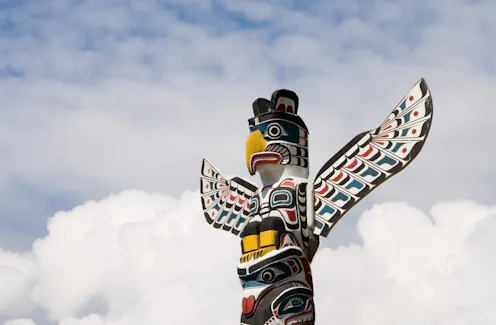
British Columbia’s new law requires its parliament to align all laws with the UN declaration on indigenous rights. New Zealand and Australia should watch closely to see what it could mean for them.
The ability to remove an Indigenous person from their traditional country shows how Australia is still asserting colonial power over the identity of its First Peoples.

Unlike Canada’s newly elected House of Commons, New Zealand’s parliament reflects the will of voters. So do other proportional representation systems. Canada has plenty of choice.
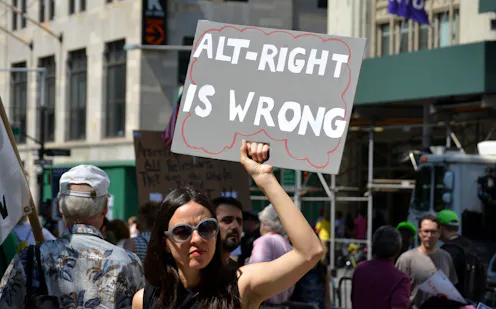
Academic freedom protects free speech, but also conditions it. Knowledge cannot be tested and doesn’t advance if there isn’t also a duty to be well informed and reasoned.
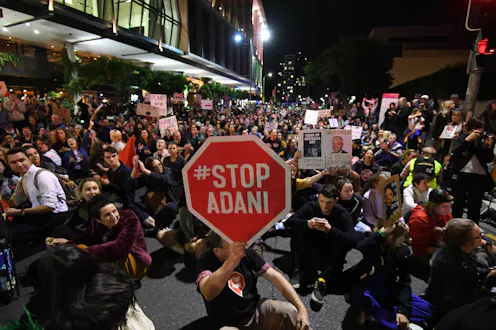
The deep politics of racial division is at play when governments position mining as in the public interest, with Indigenous land owners obstructive of that interest.
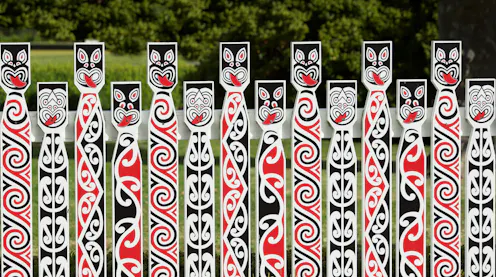
A report on primary health care found New Zealand fails to deliver good outcomes for Māori because the state does not stand aside to allow Māori to take charge of their own affairs.

Support for Māori and Pasifika communities was a funding priority in New Zealand’s well-being budget, but a change in values may have greater impact than more money.
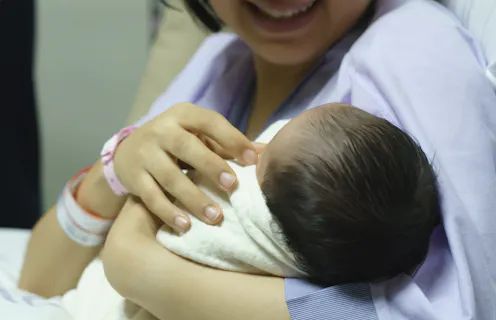
Last week’s attempted removal of a newborn Māori baby from his family highlights the issue that indigenous children are much more likely to be taken into state care, in New Zealand and other countries.
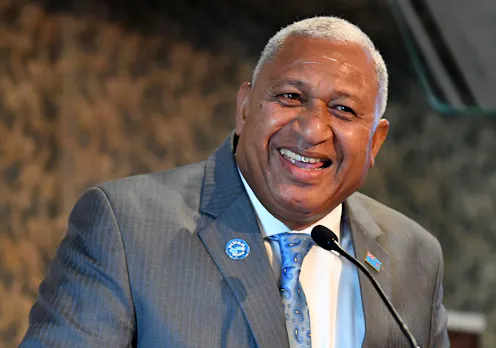
The prompt release of New Zealand journalists, arrested while investigating environmental degradation caused by a Chinese development project in Fiji, highlights PM Bainimarama’s diplomatic dilemma.
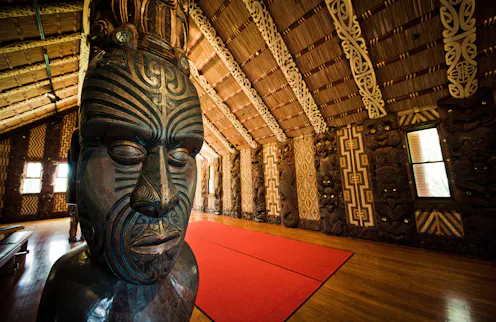
Much of the debate about the Treaty of Waitangi has focused on sovereignty and self-determination, but the issue of citizenship needs more attention.
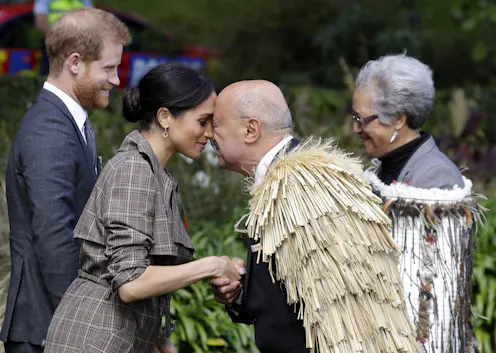
In New Zealand, sovereignty is disputed, but the Maori case for sharing it with settlers underscores the limits of First Nations consultation in Canada.
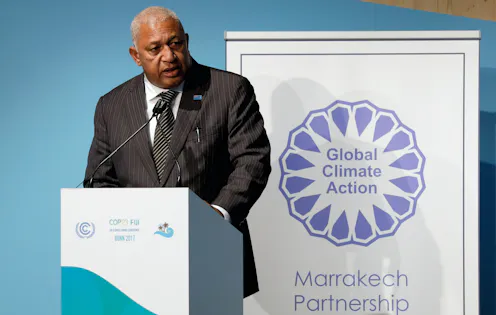
The re-election of a former coup leader as Fiji’s prime minister comes as Australia pays more heed to the south-west Pacific.
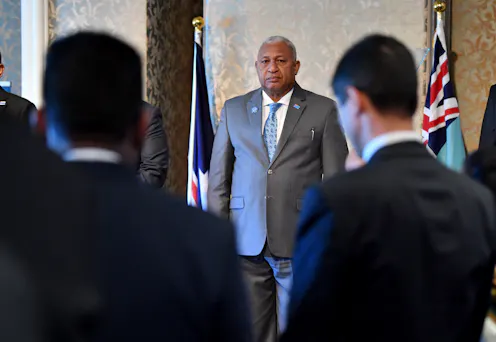
Fijians go to the polls this week in only the second general election since a 2006 coup in which the current prime minister, Frank Bainimarama, seized power. He won an election in 2014.
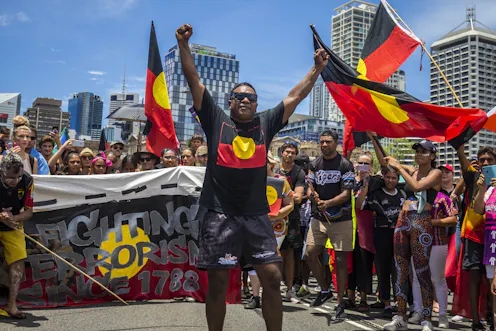
An alternative holiday for Indigenous people doesn’t address the arguments against celebrating nationhood on a day that causes offence to some citizens.

The New Zealand government’s move to close charter schools as part of its education reform has prompted strong Māori criticism.
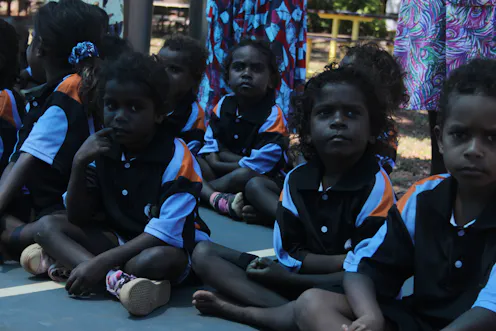
When it comes to teaching Indigenous students, Australia could learn much from New Zealand.
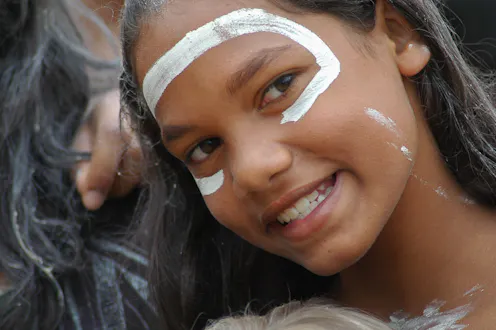
As treaty negotiations begin in Victoria, each party will have to accept the other’s legitimacy; that their own power is not absolute and unconditional.
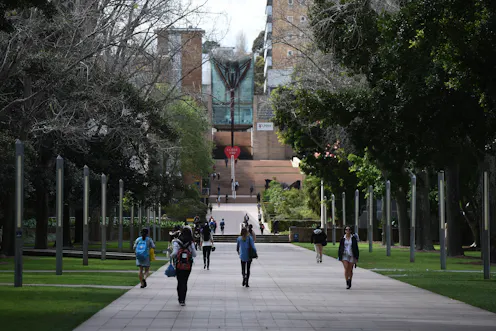
Australian higher education policy debates focus primarily on how and by whom universities are funded. This diminishes understanding of universities’ democratic purpose and wider social mission.
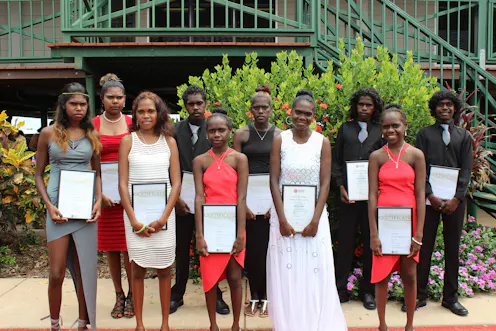
When it comes to increasing Indigenous Australians’ participation in higher education, we could take a leaf from our neighbour’s book.

New Zealand MPs will cast a conscience vote on a euthanasia bill. But with 49 out of 120 seats held by ‘list’ MPs, this raises issues about the democratic process under the country’s electoral system.
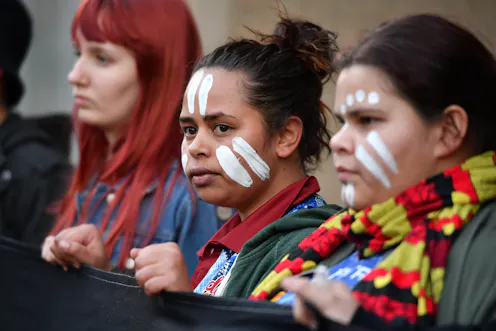
To finally succeed, the idea of an Indigenous voice to parliament must be argued as one that is fundamentally democratic.
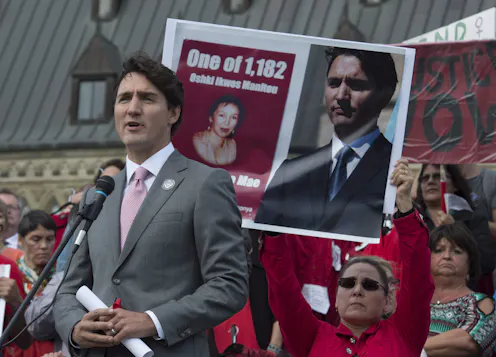
The Indigenous in New Zealand have fared better than First Nations in Canada in terms of self-determination. Why? It’s about a lot more than geography, land mass and language.
Contact Dominic for
- General
- Media request
- Speaking request
- Consulting / Advising
- Research collaboration
- Research supervision
- Location: Canberra, Australia
- Website
- X (formerly Twitter): @indigpolitics
- Article Feed
- ORCID
-
- Joined
