
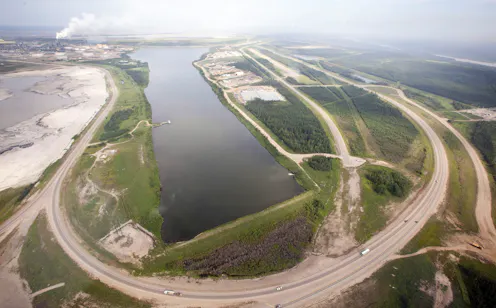
As toxic water continues to spill from tailings ponds across mining developments, decades of scientific research provides evidence of how wildlife will be affected.
- Assistant Professor, Department of Biology & School of Environmental Studies, Queen's University, Ontario

Canada’s commitment to halt biodiversity loss can only be realized by weaving together Indigenous and non-Indigenous knowledge.
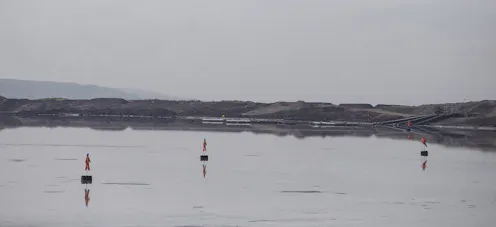
New regulations will allow oilsands companies to release 1.3 trillion litres of liquid waste into the Athabasca River in 2022. A new technology could clean the wastewater before it’s let go.
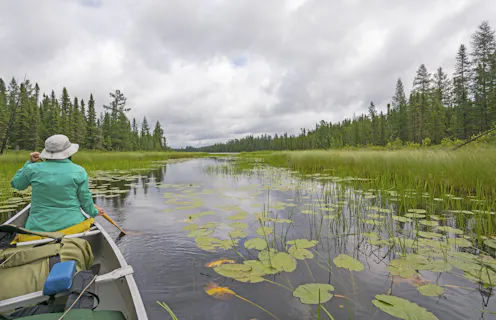
Scientists have a new approach to understanding how pollution threatens species at risk in Canada.
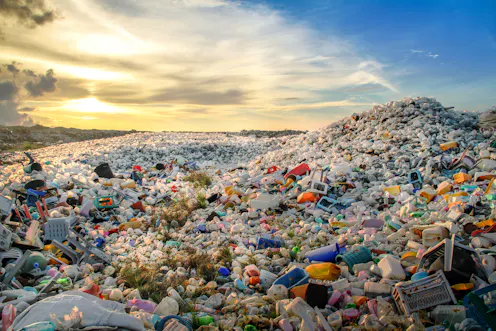
Without action, the amount of plastic waste produced globally could reach as much as 265 million tonnes per year by 2060.
Contact Diane for
- General
- Media request
- Speaking request
- Consulting / Advising
- Research collaboration
- Research supervision
- Location: Kingston, Ontario, Canada
- Website
- X (formerly Twitter): @DianeOrihel
- Article Feed
- ORCID
- Joined
