

People with long COVID have already fought hard to become visible.
- SHARP Professor, Vitalities Lab, Centre for Social Research in Health and Social Policy Centre, and the ARC Centre of Excellence for Automated Decision-Making and Society, UNSW

Trust, particularly in government leaders, has diminished over time.
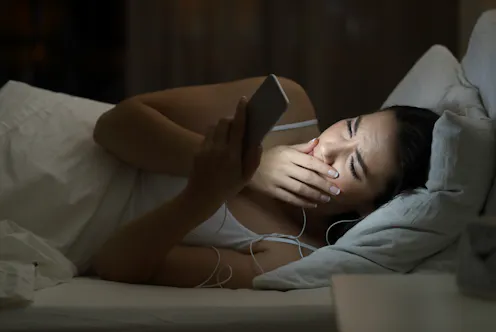
Fixating on sleep can make your sleep worse. But some people crave the connection online sleep communities provide.

Four different authors – Sarah Moss, Roddy Doyle, Anne Tyler and Gary Shteyngart – tell four different stories of life in a time of COVID.
Mainstream medicine hasn’t yet found enough evidence-based treatments for long COVID. No wonder sufferers are turning to unproven therapies.
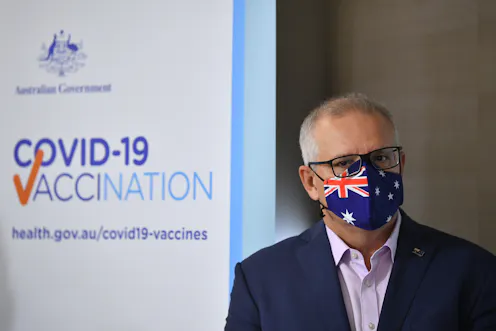
We interviewed 80 Australians from a wide range of ages and backgrounds about how the government handled the pandemic. Their responses were mixed.
Sufferers collected evidence of their persistent symptoms, and advocated for themselves and for further research. Even the term ‘long COVID’ stems from this activism.

Fictional screen robots have long represented our fear of technology. A new animated family film combines this trepidation with many parents’ fear of losing offline connection with their kids.
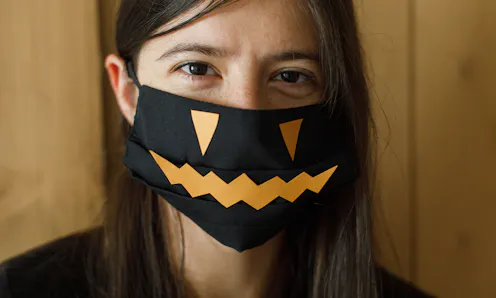
A year ago, face masks were a rarity in Australia. But social researchers say there is evidence of a growing acceptance of this simple object.
New data from the ABS shows how people adjusted their consumption patterns and behaviours during the early COVID-19 restrictions — and how some lifestyle changes have remained since then.

It’s time characters on TV reflected not only women’s experience of heart disease but those of men from diverse backgrounds if we want to prevent more people dying from heart disease.

Some Australian Facebook users are more worried about over-sharing by friends than the privacy and security of their personal information.

A new study compared fictional patient experiences in Grey’s Anatomy with real trauma cases. It concluded patients who are fans of the show might have unrealistic expectations of medical care.

Research shows that people’s social networks, employment conditions and life stages all impact their use of wearable devices. Understanding these factors can help you achieve your fitness goals.

The ABC’s new show Ask the Doctor goes some way to explain the many contributors to obesity. So, why spoil it with the take-home message that willpower is all you need to lose weight?
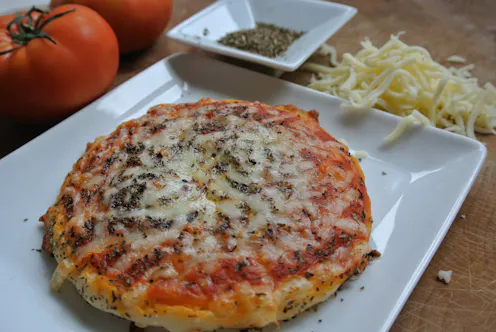
3D printed food is already here, but not everyone is convinced it looks edible.
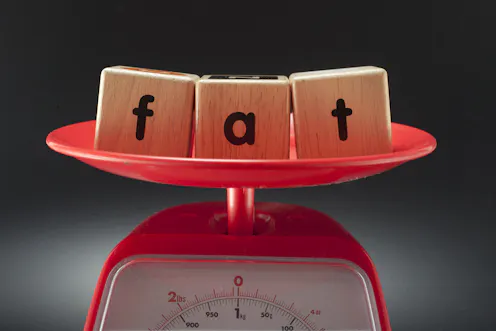
What is it like to be a fat person in a fat-shaming world? What are the political and ideological underpinnings of the ‘obesity crisis’? Fat studies is an emerging academic field that asks such questions.

3D printing, once an arcane technology used mainly for developing industrial prototypes, is rapidly moving into everyday life. Nowhere is this more apparent than in the phenomenon of the 3D self replica…

People interested in tracking their health, physical activity levels and body functions can now choose from a plethora of sensor-embedded digital gadgets to monitor and measure their bodies. But the big…

At first glance, academia and social media might not appear to have an obvious connection. Social media use tends to be viewed as frivolous or as an activity undertaken for purely personal reasons, such…
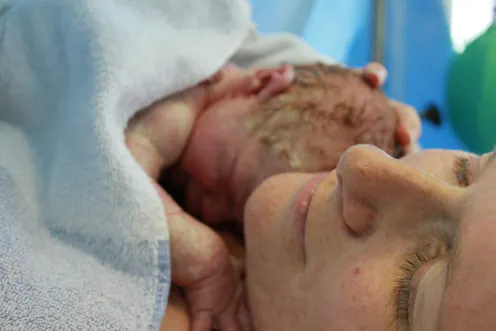
There is a substantial literature on labour and childbirth in medical, midwifery and social scientific research. But we still don’t know much about how labouring women experience that pivotal time when…
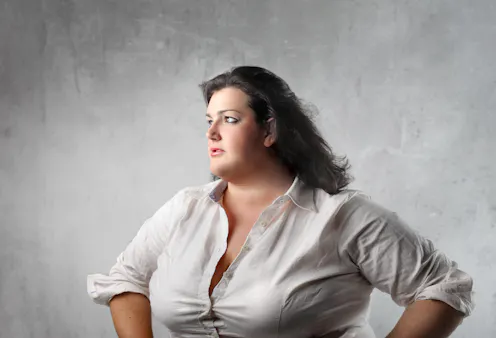
People who are deemed overweight or obese (as the medical terms have it) or fat (as many fat activists prefer to call their body size) suffer discrimination, prejudice and humiliation from several fronts…

When most of us think about the medical approach that dominates in Western countries, we tend to view it as scientific and therefore as neutral, not influenced by social or cultural processes. Yet research…
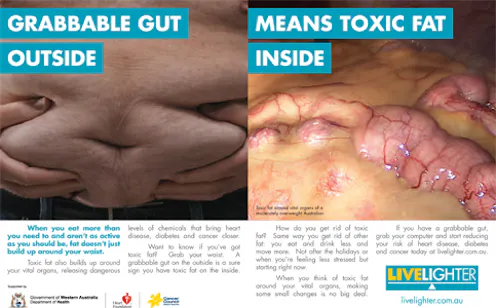
The most recent Australian anti-obesity measure, the West Australian LiveLighter campaign, features a series of shocking television advertisements, including one showing a middle-aged man in his kitchen…
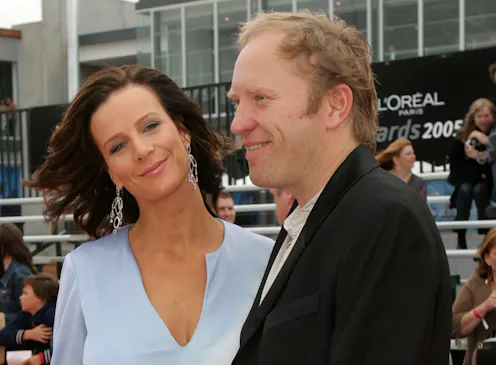
The front page of Saturday’s edition of the Sydney Morning Herald on the weekend was dominated by a story about the actor Rachel Griffiths and her husband, artist Andrew Taylor “playing swapsies” with…
Contact Deborah for
- General
- Media request
- Speaking request
- Consulting / Advising
- Research collaboration
- Research supervision
- Location: Sydney and Canberra, Australia
- Website
- X (formerly Twitter): @DALupton
- Article Feed
- ORCID
- Joined
