

Chaos at the CDC and the sharp move away from mRNA vaccines has public health experts alarmed.
- Professor of Microbiology, School of Medicine, University of Washington

The National Institutes of Health has been integral to scientific progress in treating countless human diseases. Without its support, patients will ultimately pay the price.

Annual flu vaccines are in a constant race against a rapidly mutating virus that may one day cause the next pandemic. A one-time vaccine protecting against all variants could give humanity a leg up.
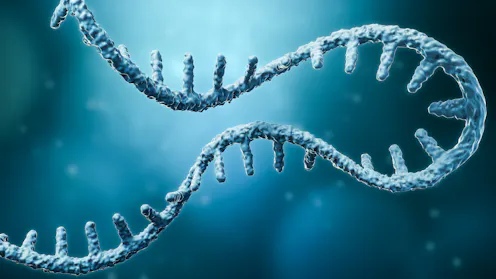
DNA and mRNA vaccines produce a different kind of immune response than traditional vaccines, allowing researchers to tackle some previously unsolvable problems in medicine.
Experts give us a science preview for 2022, plus what lies in store for global inequality. Listen to The Conversation Weekly podcast.
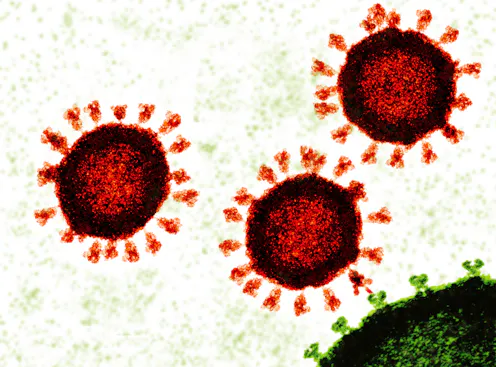
The new omicron variant of coronavirus has a number of mutations that may require manufacturers to update vaccines. The unique attributes of mRNA vaccines make updating them fast and easy.
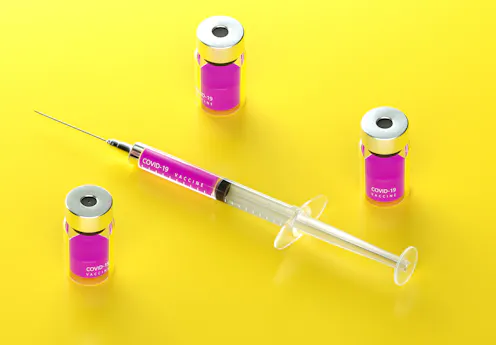
So far, most vaccines in the US are mRNA vaccines. These represent a new technology and are likely to take over the vaccine world. But how do they work? What are their weaknesses? Five experts explain.
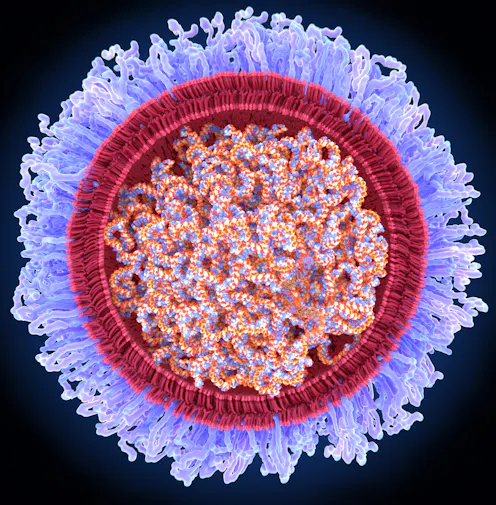
The coronavirus pandemic has driven a lot of scientific progress in the past year. But just as some of the social changes are likely here to stay, so are some medical innovations.
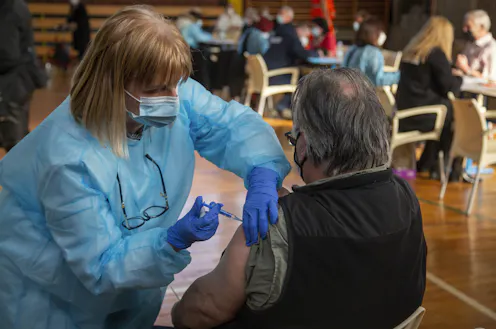
Mucha gente cree que las vacunas funcionan como un escudo, impidiendo que un virus infecte. Pero, en la mayoría de los casos, una persona que se vacuna está protegida contra enfermedades, pero no necesariamente contra infecciones.
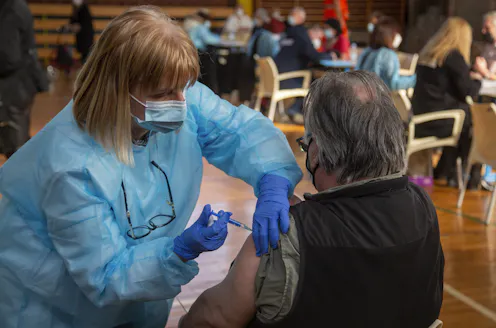
You’ve been vaccinated; can you now safely see your friends and family? New research hints that vaccinated people may be less likely to transmit the coronavirus, but they are not 100% in the clear.
Contact Deborah for
- Media request
- Speaking request
- Consulting / Advising
- Research collaboration
- Location: Seattle, Washington, U.S.
- Website
- LinkedIn: https://www.linkedin.com/in/deborah-fuller-4a0994a/
- X (formerly Twitter): @FullerLab_UW
- Article Feed
- ORCID
- Joined
