
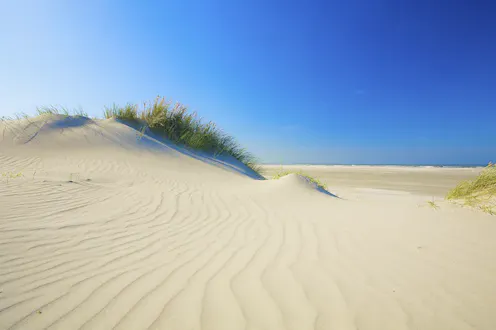
Pasir mungkin terlihat melimpah ketika jari-jari kaki kamu terkubur di dalamnya, tetapi pasir menjadi langka di banyak garis pantai di seluruh dunia.
- Professor of Earth and Space Sciences, University of Washington
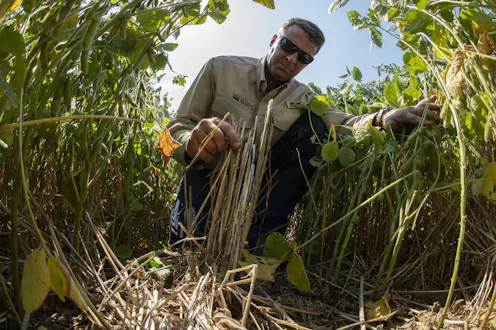
There’s growing interest in making the US food system more resilient and flexible, but soil – the origin of nearly everything we eat – is often left out of the picture.
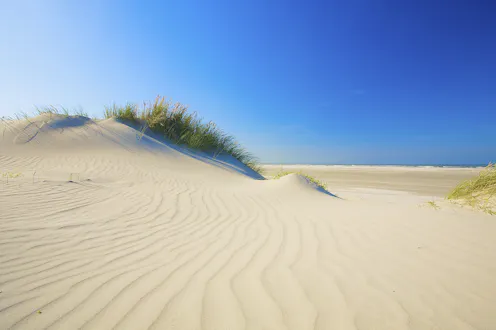
Sand may seem abundant when your toes are buried in it, but it’s becoming scarce along many coastlines around the world.
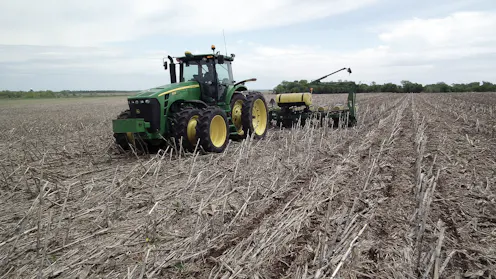
More than one-fifth of global warming emissions come from land use. Sustainable farming can make soil healthier and better able to soak up carbon, while saving energy and boosting food production.
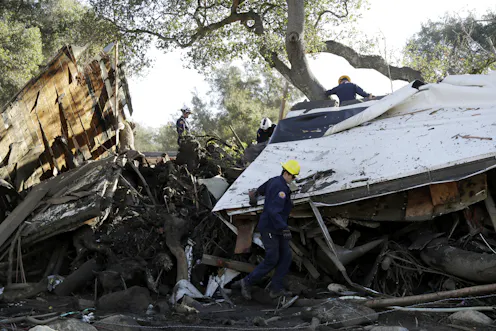
In response to mudslides that have killed at least 20 people in Southern California, a geologist calls for more resources to study and map landslide hazards so residents can understand the risks.

To help feed a growing world population, restore biodiversity and slow climate change, a geologist calls for a moon shot effort to restore healthy soil around the world.
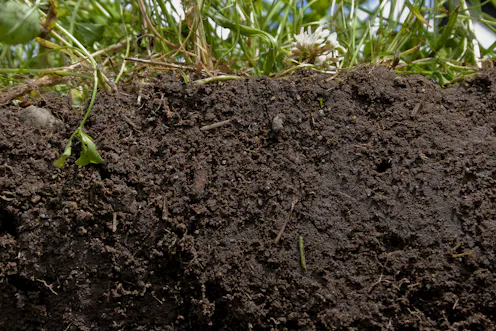
Conventional wisdom says we need industrial agriculture to feed the world. Not so, says geologist David Montgomery: Practices that focus on creating healthy soil can transform agriculture.

Long viewed simply as ‘germs,’ the hidden half of nature turns out to be crucial to the health of people and plants.

New research suggests a mythical flood in China really happened about 4,000 years ago. It’s the latest case of scientists matching ancient tales to actual local natural disasters.
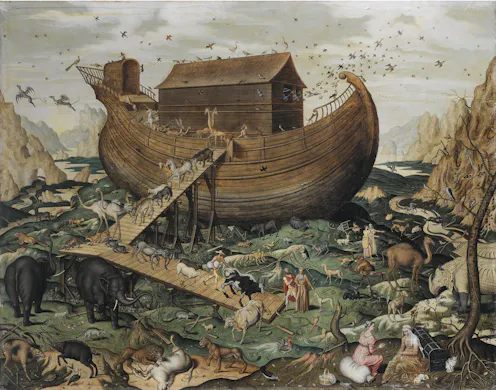
If the biblical flood occurred just a few thousand years ago, that doesn’t leave enough time for the geologic history we see in rocks and fossils.
Contact David for
- General
- Media request
- Speaking request
- Consulting / Advising
- Location: Seattle, Washington, U.S.
- Website
- X (formerly Twitter): @dig2grow
- Article Feed
- Joined
