
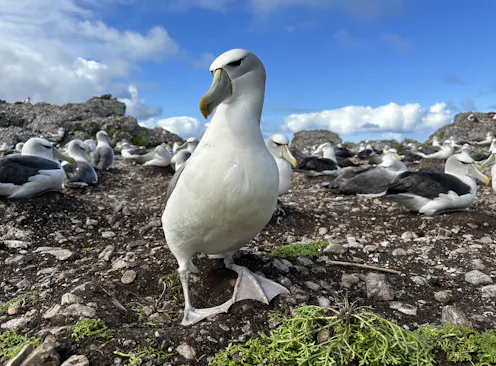
Just as Darwin’s finches evolved specialised beaks to target prey, 3D modelling of 61 museum specimens reveals albatross beaks vary in size and shape for different diets. They can also drink seawater.
- Adjunct Research Associate, Monash University
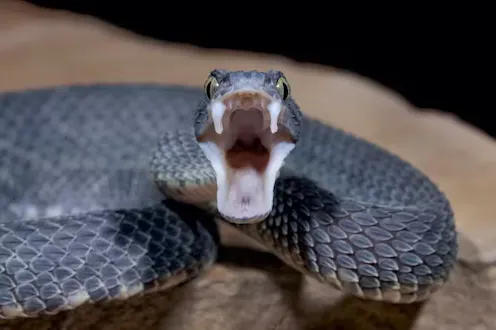
Beberapa ular memiliki taring yang keras dan tumpul untuk memecahkan kepiting. Ada pula taring ular yang tajam untuk mencengkeram tikus.
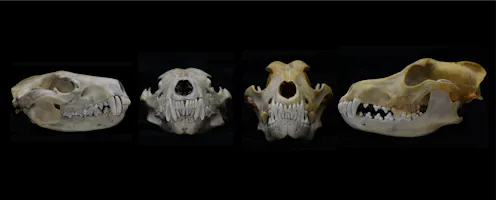
The researchers found tooth shape varied, depending on the types of food a carnivore regularly bites into – in much the same way we choose a kitchen knife depending on what we’re cutting up.
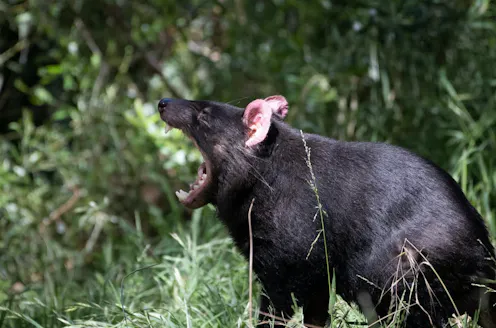
Tassie devils are notorious scavengers, eating everything from echidnas to stranded whales. Understanding how their teeth wear down can help us feed and protect captive populations.
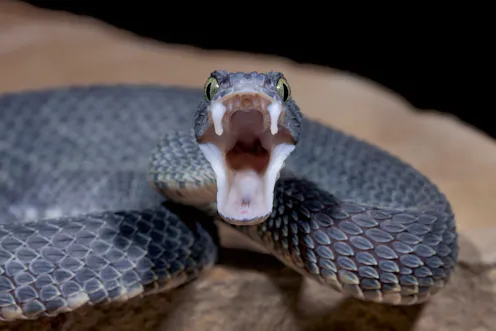
Some snakes have tough, blunt fangs for cracking crabs. Others have sharp needles for getting a grip on mice.
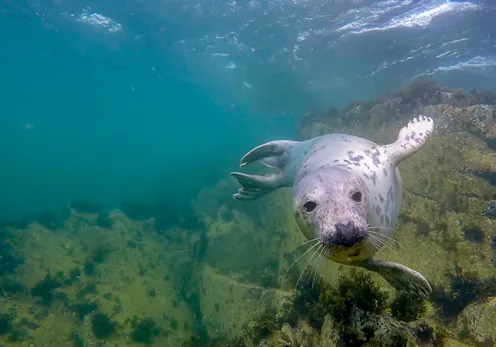
New research combines cutting-edge engineering with animal behaviour to explain the origins of efficient swimming in nature’s underwater acrobats: seals and sea lions.
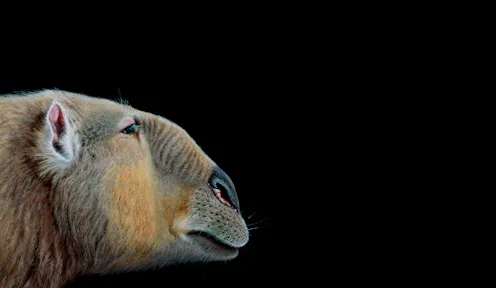
A new study shows Palorchestes had unique elbows unlike any other mammal, which may have contributed to its extinction.
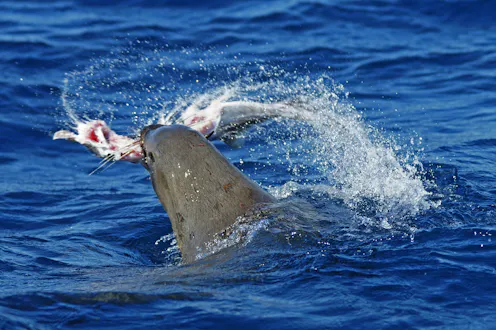
This new study describes an unlucky fur seal found with severe injuries, revealing how predators sometimes pay the ultimate price for their food when targeting dangerous prey.
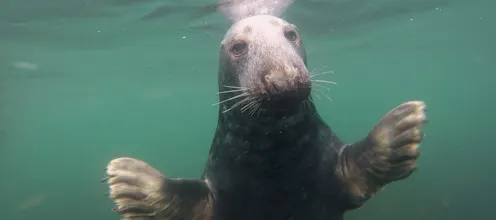
Clapping underwater takes real strength. But wild grey seals can do it, to warn off competitors and attract potential mates.
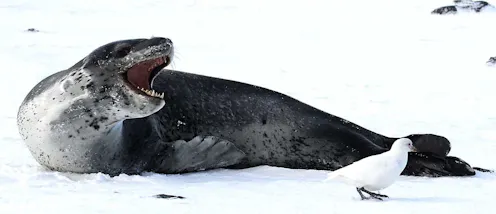
Cooperation or theft? New observations show wild leopard seals sharing food when targeting king penguins in Antarctica.
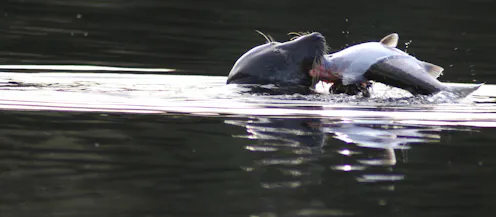
Northern seals use strong claws to tear apart large prey and this gives us clues about how the earliest seals likely behaved when they first began feeding in water.
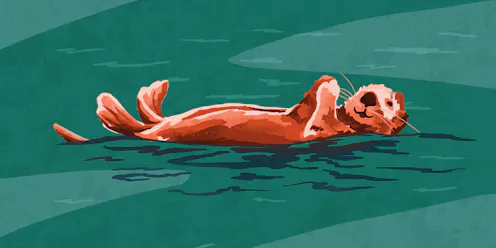
Sea otters can break the shell on a shellfish by hitting it against a stone resting on their belly. This can look like clapping. Some even have a favourite stone they carry around in their armpits.
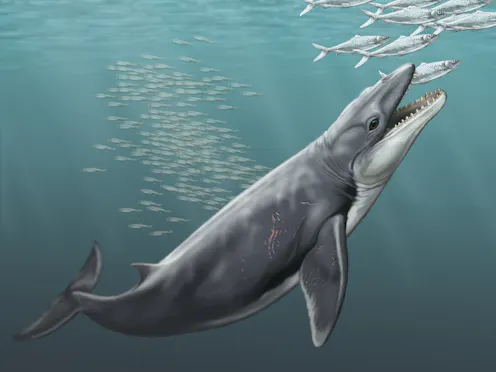
Ancient whales were neither gentle, nor giants: they were smaller than those of today and judging from their teeth, a lot meaner.
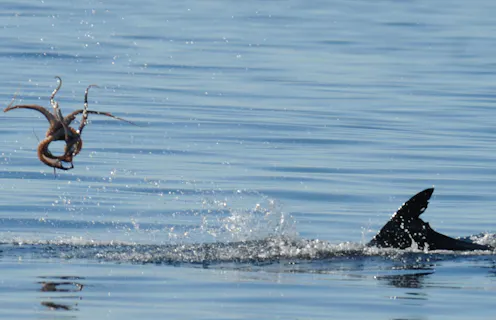
It’s not easy to tackle a live octopus - so many arms, all those suckers! But some bottlenose dolphins have found a way to defuse and eat these eight-armed sea creatures.

There are plenty of mammals that have adapted to life in water, some more than others. That meant they also had to adapt the way they feed.
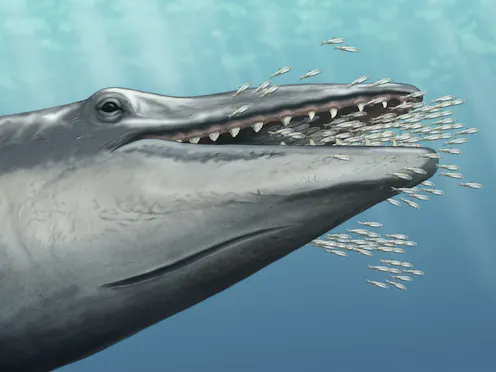
The largest animals on the planet - the baleen whales - prey on some of the smallest. But how did their teeth evolve into the filters they use today?
Contact David for
- General
- Media request
- Speaking request
- Consulting / Advising
- Research collaboration
- Research supervision
- Location: Hobart, Australia
- Website
- X (formerly Twitter): @DPHocking
- Article Feed
- ORCID
- Joined
