

Three philanthropy scholars size up the latest data on gifts from the country’s biggest philanthropists.
- Professor of Public Administration, Binghamton University, State University of New York
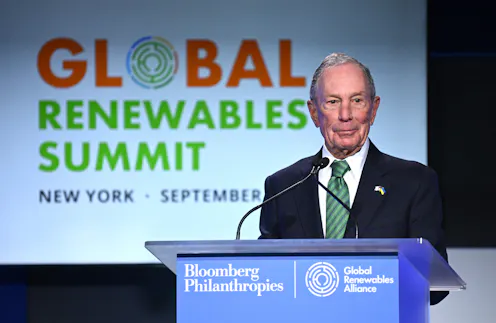
Three philanthropy scholars size up the latest data on gifts from the country’s biggest philanthropists.

Three philanthropy scholars discuss several trends in giving by the wealthiest Americans highlighted in this yearly report. Among them: Much of this money doesn’t go to charities right away.
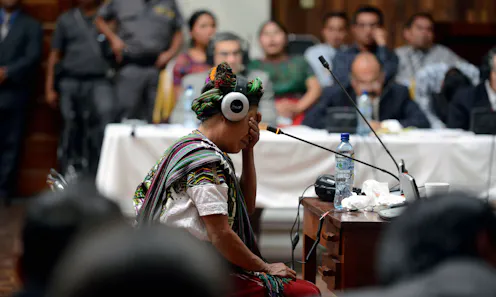
College students learn about people who have dedicated their professional lives to reducing the threat of violence – and their successes and failures.

As giving receded to pre-pandemic levels, most of these gifts were designated for foundations, higher education, hospitals and medical research.
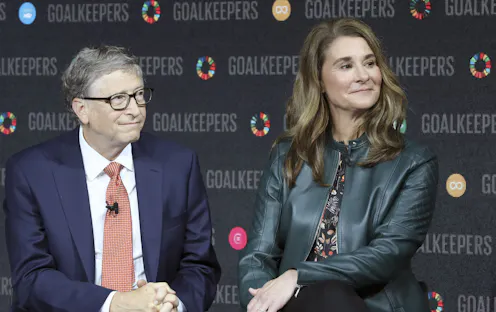
Three scholars weigh in regarding the priorities of these wealthy American donors, who gave less to social service and racial justice groups than in the first year of the COVID-19 pandemic.
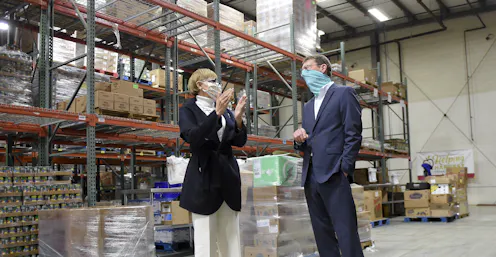
The Chronicle of Philanthropy’s latest ranking indicates that the coronavirus and heightened awareness about racism made a difference, but not necessarily a lasting one.
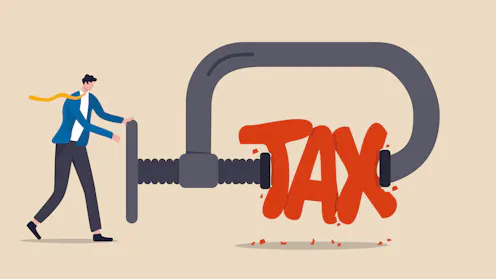
News about how little income tax some of the richest Americans reportedly pay is adding to questions about the value to society of their massive charitable donations.
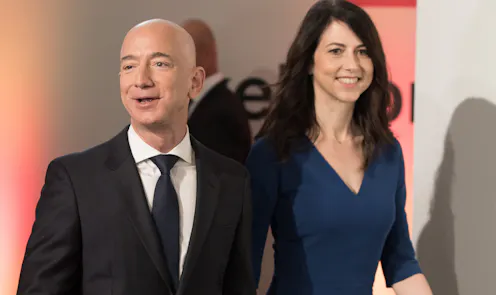
While support for social services and historically black colleges and universities rose sharply, these donors spent a tiny fraction of what the government distributed to people who needed help.
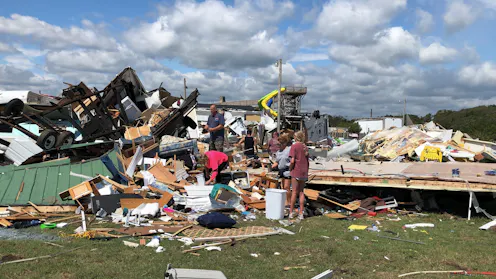
After a hurricane strikes or an earthquake makes shockwaves, try to support nonprofits that are clear about what they do and how they will spend your money.
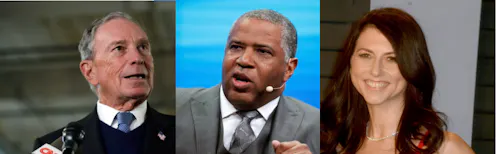
As the debate over what ails philanthropy heats up, the questions are going beyond whether massive charitable donations help or hurt society.
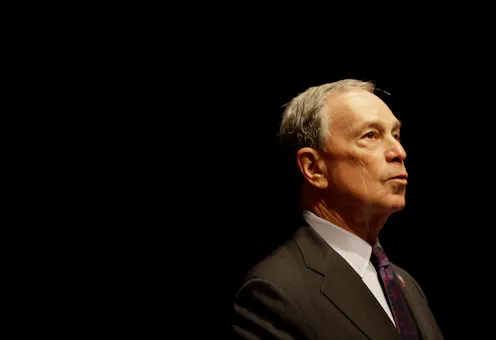
When the only fixes getting funded are designed to leave the status quo intact, the results of philanthropy inevitably fall short.

After taking a class in which they give money away, students get more interested in donating to and volunteering at local nonprofits.
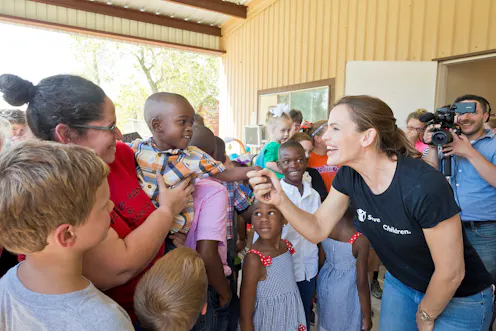
After a hurricane strikes or an earthquake makes shockwaves, support nonprofits that are clear about what they do and how they will spend your money.
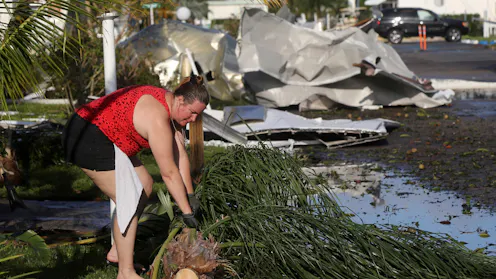
The desire to help during emergencies like Hurricane Irma is admirable. Doing some homework might make your contributions go farther.

The desire to help during emergencies like Hurricane Harvey is admirable. With a little homework, your contributions will go further.
The best way to assess a program’s effectiveness is see how well it meets the goals for which it was created. Maybe someone could tell the Trump administration.
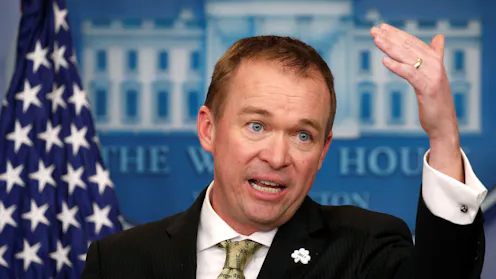
Trump’s budget director singled out Meals on Wheels as a waste of federal dollars. But identifying bad ways to spend taxpayer money is harder than it sounds.
Contact David for
- General
- Media request
- Speaking request
- Consulting / Advising
- Research collaboration
- Research supervision
- Location: Binghamton, New York, U.S.
- Website
- X (formerly Twitter): @davecampbell116
- Article Feed
- ORCID
- Joined
