
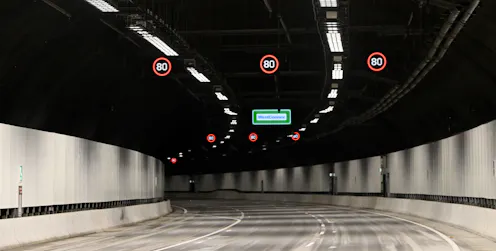
The model can help state governments to avoid huge upfront spending and shift some risks onto private firms. But taxpayers often pick up the bill in other ways.
- Professor and Director, Institute of Transport and Logistics Studies, University of Sydney
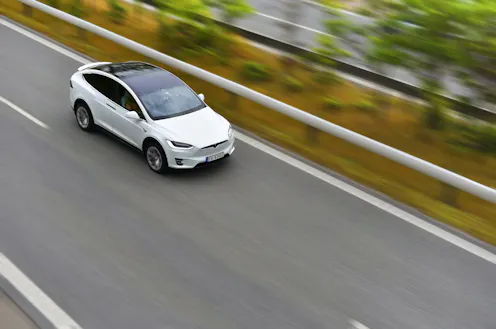
There’s a risk that the belief that electric vehicles are much greener results in owners driving more often or faster, or using cars instead of public transport.

New research finds workers who take up working from home are generous with the time they save by not commuting, devoting about one-third of it to unpaid extra work for their employer.

COVID led to commuting time savings worth over $2,000 a year for each driver and $5,000 per public transport user. But as workplaces reopen, we may need road user charges to keep traffic flowing.
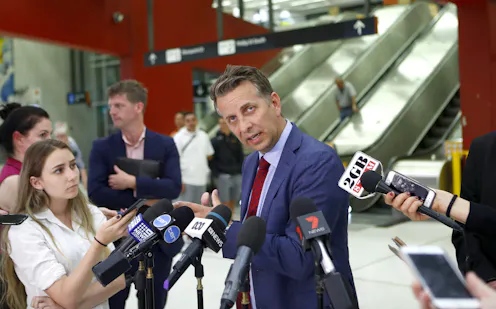
The real challenge is finding appropriate ways to invest in public transport that will not only take pressure off the system but also support improved travel on all modes, including cars.
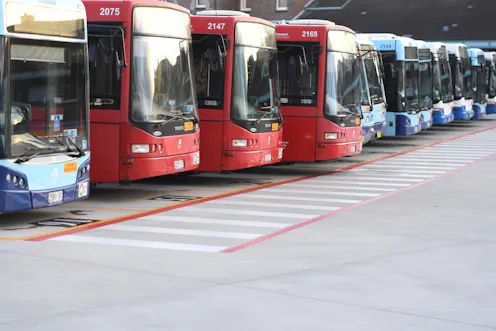
Estimated cost savings for rail and bus franchising from Infrastructure Australia and PwC will have government treasurers salivating. Problem is, the figures are almost certainly far too high.
The hip pocket must be where road pricing reform commences. The call for a congestion charge is getting louder and more frequent in many countries, as major metropolitan areas experience increasing levels…
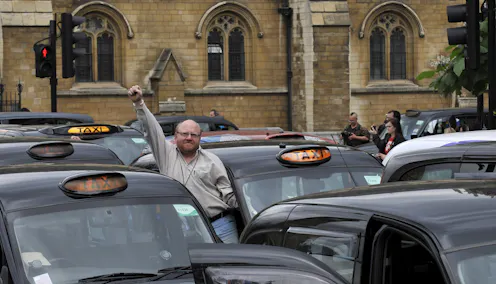
The London Olympics seems paralysed with problems. The latest is protests from taxi drivers - who say they need access to special “Olympics lanes” - which have brought traffic to a halt. Is London going…
Contact David for
- General
- Media request
- Speaking request
- Consulting / Advising
- Research collaboration
- Research supervision
- Location: Sydney, Australia
- Website
- Article Feed
- Joined
