
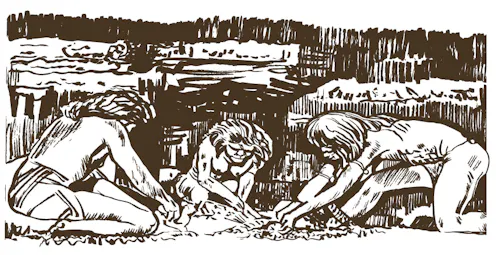
Qui était le premier humain sur Terre ? En voilà une question qui a questionné les scientifiques pendant très longtemps, et est même toujours débattue.
- Honorary Associate Professor, UNSW
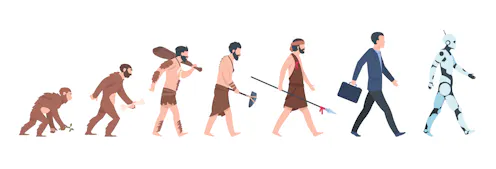
Understanding our evolution can tell us a lot about the health challenges we face today.
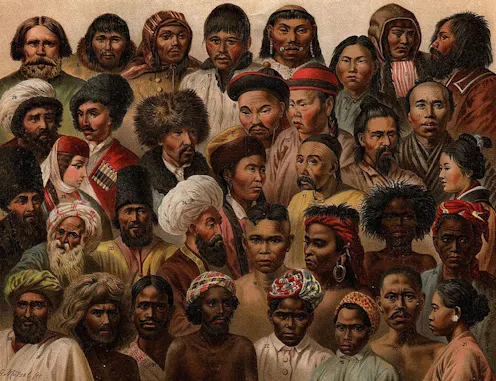
Kesalahan terburuk dalam sejarah sains tidak diragukan lagi adalah pengklasifikasian manusia ke dalam ras yang berbeda.
The story of Australia has been studied and explored many times by researchers. Look what they’ve revealed, so far.
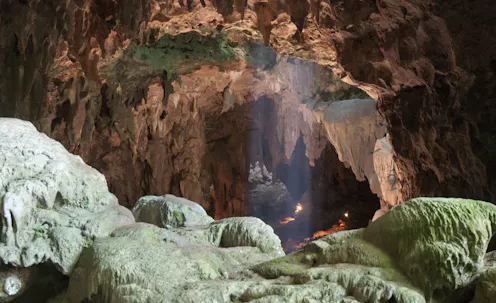
Reports say that a new species of ancient human has been identified in a cave in The Philippines. But only a few bone and teeth fossil fragments have been found, so far.
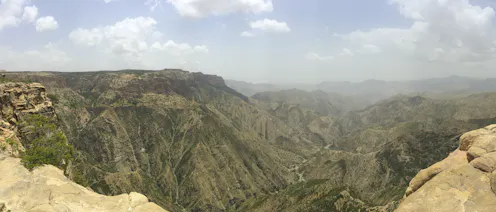
A manifesto from 23 researchers challenges old models, and outlines the major new directions archaeology should follow to solve the puzzling origins of modern humans.

Dari Pulau Borneo, Darren Curnoe membagikan catatan harian yang bercerita upaya regunya menjelajahi pemakaman kuno. Melalui dua meter tanah liat, mereka menemukan alat dan tulang manusia.

From the tropics of Borneo, Darren Curnoe posted a daily diary sharing his team’s dig to explore ancient cemeteries. Through two metres of clay, human bones and tools were discovered.
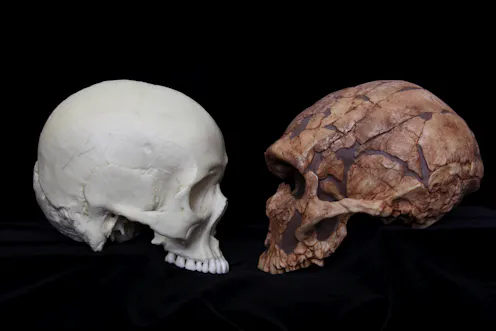
Maeve, age 8, has a question that has stumped many scientists over the years. And that’s because it’s a surprisingly tricky question to answer. It depends a bit on what you mean by ‘person’.

Twelve thousand years ago everybody lived as hunters and gatherers. But by 5,000 years ago most people lived as farmers. This brief period marked the biggest shift ever in human history with unparalleled…
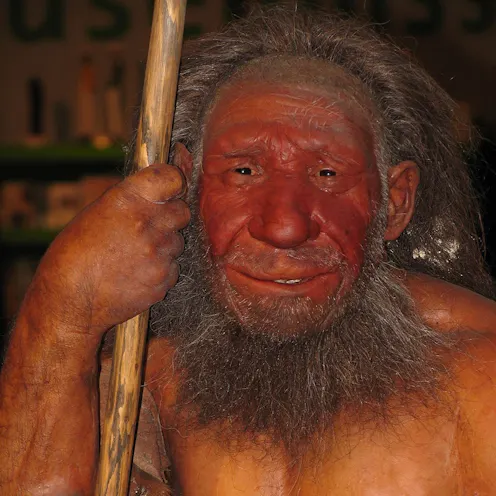
Geneticists have now firmly established that roughly two percent of the DNA of all living non-African people comes from our Neanderthal cousins. It’s difficult to imagine why our early ancestors would…
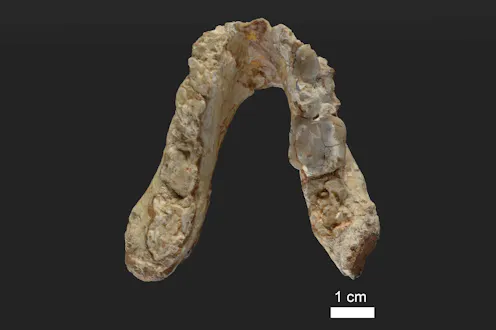
Charles Darwin believed that humans evolved in Africa, because that’s where our closest ape relatives the chimpanzees and gorillas live. And during the twentieth century he was vindicated through a combination…
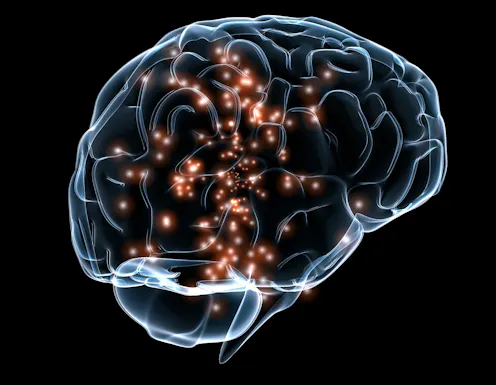
We all know that the human brain is ridiculously large, but how many of us realise that it’s lopsided as well? It turns out that the cockeyed shape of our brains is as important to understanding human…

It’s been the scientific equivalent of a never ending soap opera. The pygmy human species Homo floresiensis (aka ‘the Hobbit’), discovered in 2003 in a cave on the island of Flores, has been bogged down…
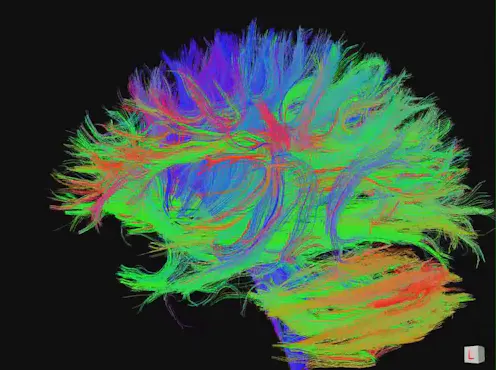
It’s the mystery of all mysteries of science. Why is it that humans are so unusual compared to all other life? The key to solving this riddle lies in explaining the evolution of our large brains and exceptional…
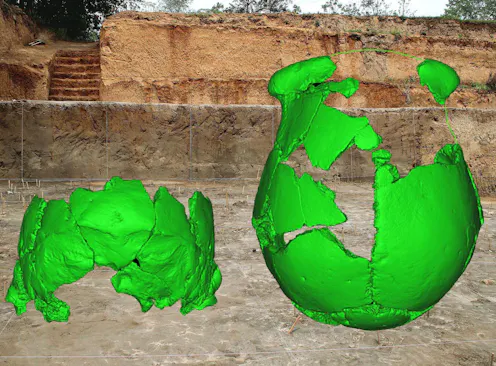
Just a decade ago we thought we had solved the mystery of mysteries. We were confident we had finally puzzled out the evolutionary origins of modern humans. Two hundred thousand years ago our species evolved…
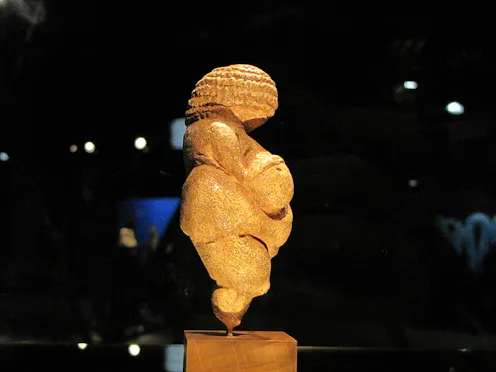
Were there any women around in the Palaeolithic Era? If popular culture is any guide you’d think not. And even archaeology itself has a long way to go to address a deeply ingrained bias towards men. It’s…
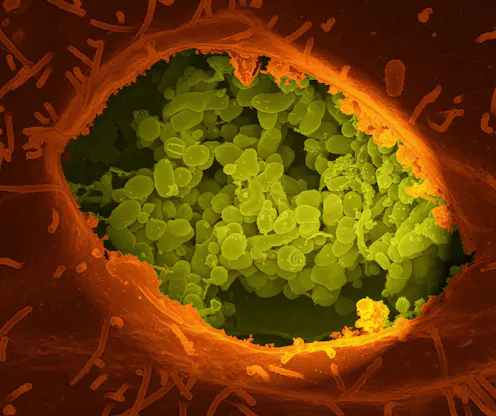
The unprecedented impact that humans are having on the planet is well known to us all. Scarcely a day passes by without a media report or two on the effects of human economic activity on the world’s climate…
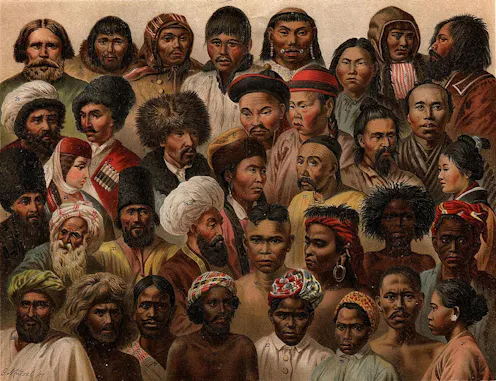
Science is one of the most remarkable inventions of humankind. It has been a source of inspiration and understanding, lifted the veil of ignorance and superstition, been a catalyst for social change and…
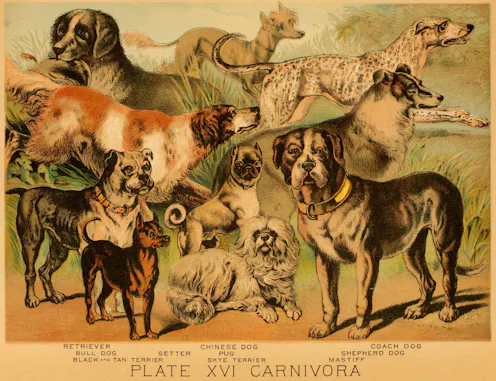
Will 2016 be the year the world finally lost interest in the paleodiet? Believe it or not, it’s already happened! ‘Peak-paleo’ passed without notice way back in January 2014. We’re often a little behind…
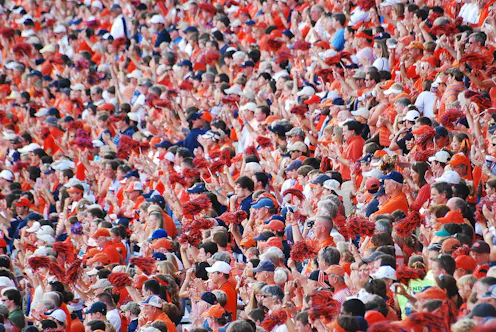
It’s often said that through our innovations in science, agriculture and medicine humans have become masters of our biological destiny. That we’ve seized control of our evolution, eliminating most of the…
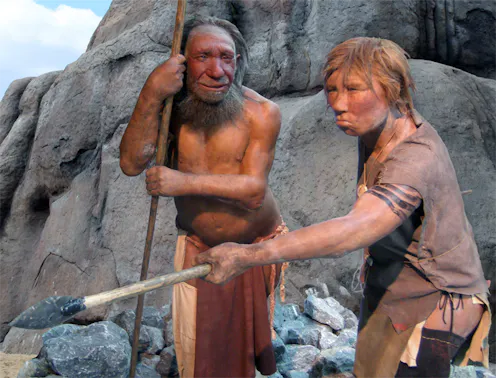
One of the biggest surprises about our evolution revealed over just the last decade is the extent to which our ancestors engaged in amorous congress with the evolutionary cousins. Bonking the Neanderthals…
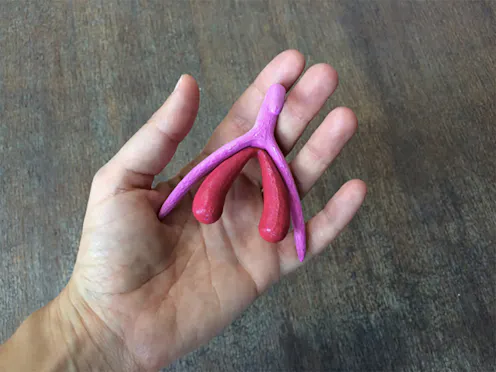
It seems remarkable to me that well into the 21st century we still have so much to learn about many parts of the human body. Organs we’re all very familiar with - ones we take for granted - still have…
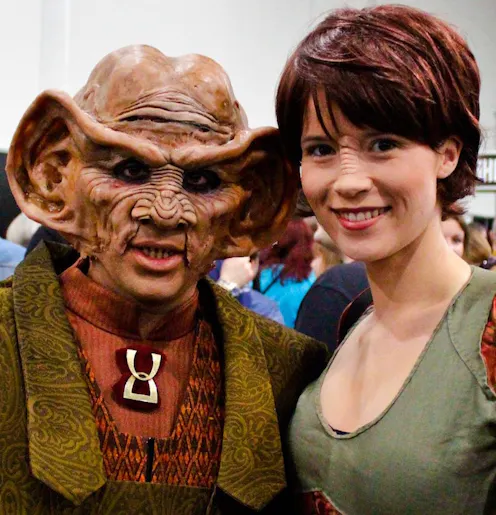
Looking around at the natural world, have you ever wondered why some groups of organisms contain huge numbers of species while others are seemingly barren? Take insects as an example, animals which evolved…

A ground breaking new study of the bones of a 3.2 million year old human ancestor (‘Lucy’) has revealed that she died from the crushing impact of a fall from high in the trees. This exciting research published…
