
It’s an exceptionally rewarding, and also challenging, time to be practising science. Science has never enjoyed the level of public interest it does today thanks to rising education levels and that wonder…
- Honorary Associate Professor, UNSW
The falling quality of journalism is accelerating with the looming death of traditional newspapers and magazines. Science reporting like so many specialist areas is also a victim of collapsing newspaper…
The internet abounds with “expert advice” on what we should or shouldn’t eat. High-carb or low-carb diets? Grains or gluten-free eating? Meat eating or veganism? Most of it promotes our food choices as…
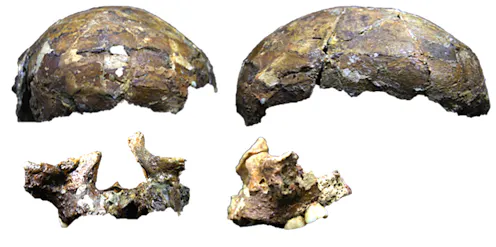
Another look at a skull unearthed in Malaysian Borneo 60 years ago can shed light on the mystery of how early humans moved throughout Southeast Asia thousands of years ago.
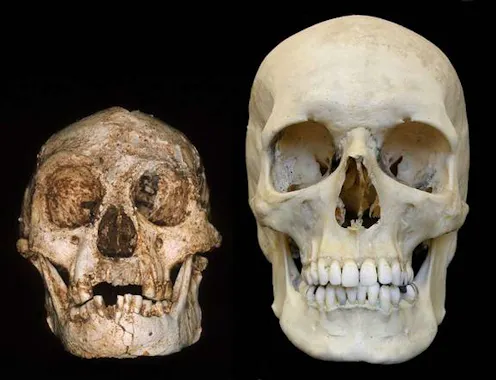
It’s been a big year for the early human species Homo floresiensis - aka ‘the Hobbit’ - and the scientists who found it. Way back in 2004 this was the discovery that threatened to rewrite the textbooks…
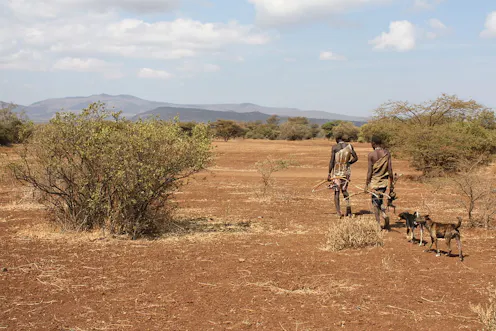
Australians have become oddly obsessed with our ancestry. Something in our collective psyche as a nation seems to be turning a healthy curiosity about the past into a deep yearning to belong. What’s fuelling…
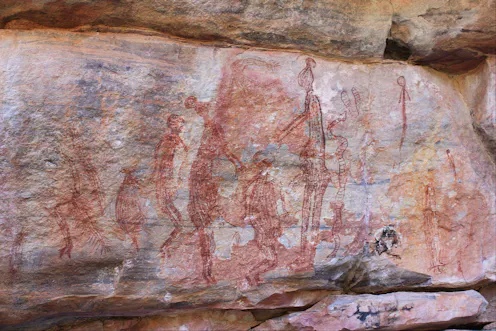
For the first couple of centuries of European occupation of Australia the history of its Indigenous people, as written by white fellas, drew heavily on adjectives like ‘primitive’. As both a white fella…
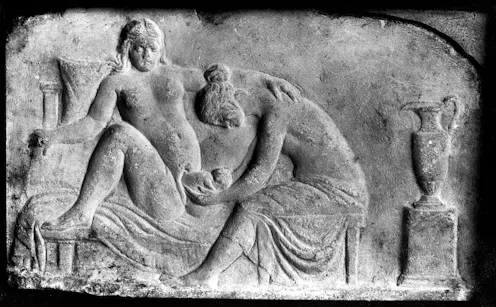
When I think back to the traumatic birth of my own daughter - and how I would have lost her and my partner if it hadn’t been for some swift medical intervention - I can’t help but wonder how the heck we’ve…
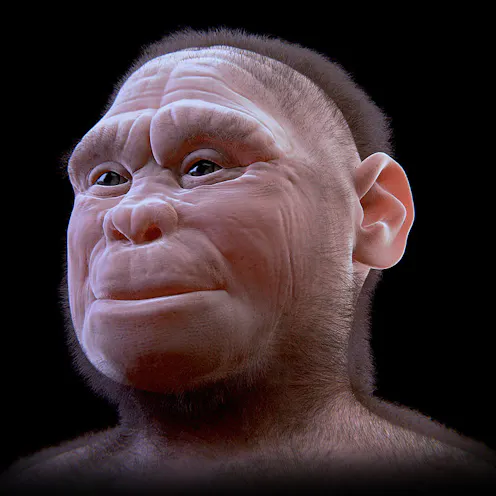
When a skeleton of the so-called ‘Hobbit’ - scientific name Homo floresiensis - was unearthed in Indonesia in 2003 it would go on to cause a major furor in anthropological circles like few others before…
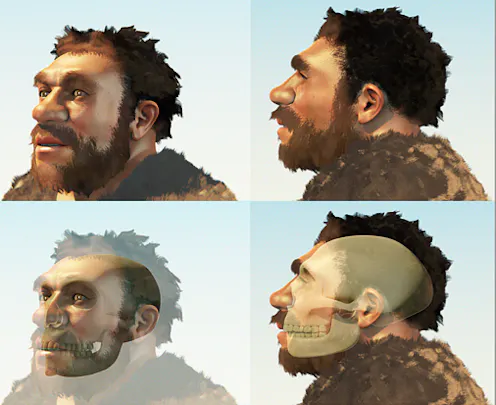
If I had taken a straw poll among anthropologists 10 years ago asking them how far genetic research would come in the next decade, I doubt anyone would have come close to predicting the big impact fossil…
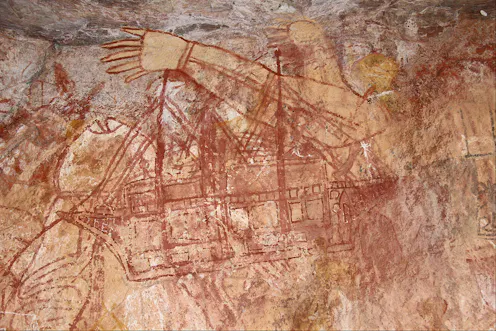
When was the remote Australian continent first settled? Where did these ancient Australians come from? Was the island settled once, or on multiple occasions? Is there a genealogical connection between…
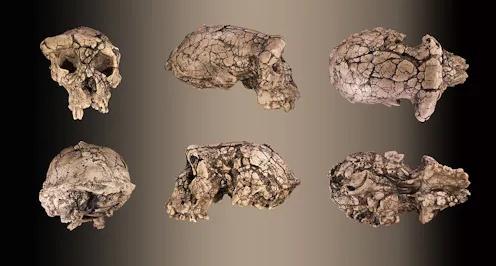
When and where did humans split from the apes to become a separate branch of bipeds? Are we an ape or not? If so, which of the living Great Apes is the closest to humans? European philosophers and scientists…
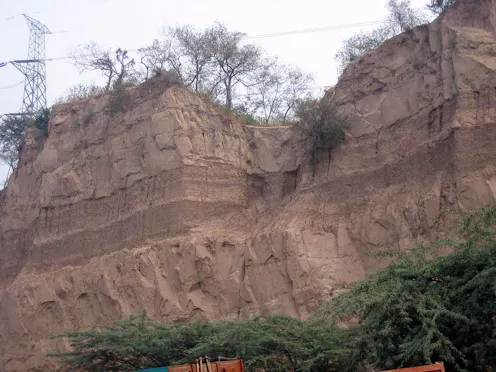
Political and economic pundits constantly remind us that this is the ‘Asian Century’, and it’s shaping up to be that way also for human origins science. I’ve only recently waxed lyrical about the enormous…
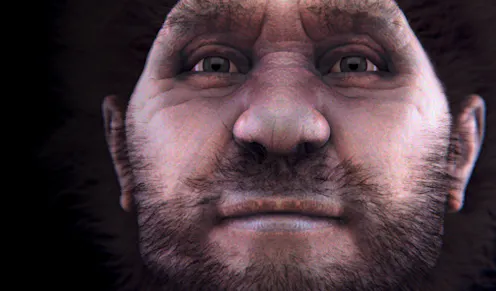
Archaeological discoveries in East Asia over the last decade or so have dramatically rewritten our understanding of human evolution. But the implications don’t sit easily with many scholars internationally…
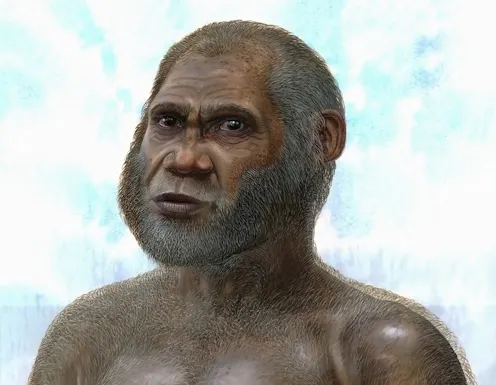
A new study is rewriting our understanding of archaic humans and how they may have interacted with early humans.
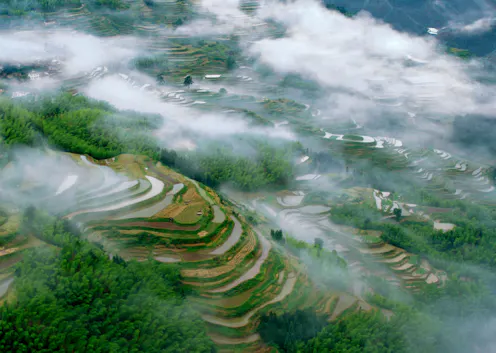
Humans have had a profound influence over evolution; ours and the evolution of many other species. So much so today that we are without doubt in the driver’s seat of evolution for many species, including…
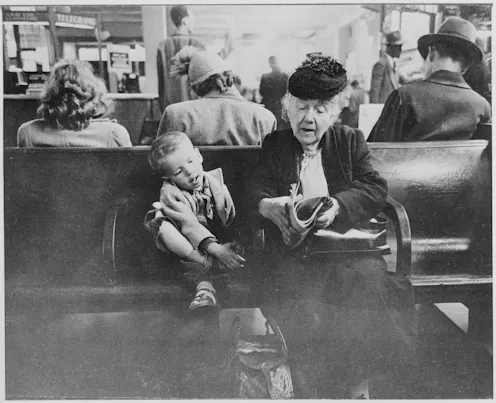
As adults, we’re often nostalgic for our childhood. A time when life seemed so much simpler. When we were free from the hassles of money, pressures of work and responsibilities of family and care. When…

Author and ecologist Paul Ehrlich told Q&A that humans, on average, have associated with only about 150 other people for millions of years. Is that right?
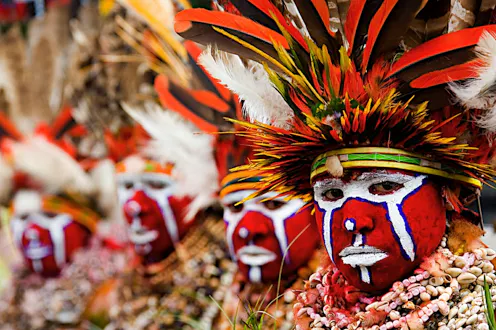
Can there be any more important a question than, ‘How did we get here?’ Of course, I don’t mean those books we all gawked at as tweens desperate to understand our transforming pubescent bodies. I mean…
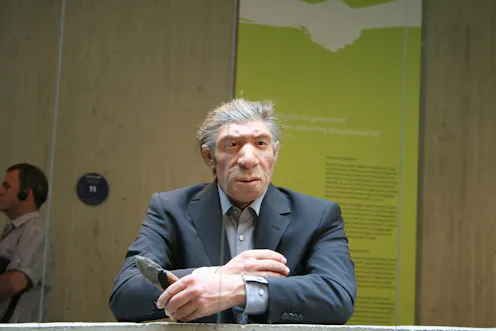
Over the past half decade, ancient DNA research has revealed some surprising aspects to our evolutionary history during the past 50,000 years. Perhaps the most startling of these has been the extent to…
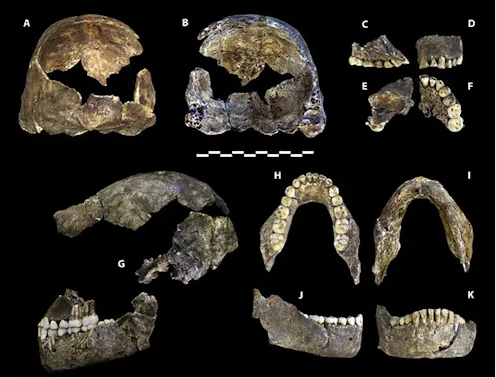
Last week was rather exceptional for human evolution science, even for those of us who are used to the extravagances of media attention that surround the field. We were spoilt with the announcement of…
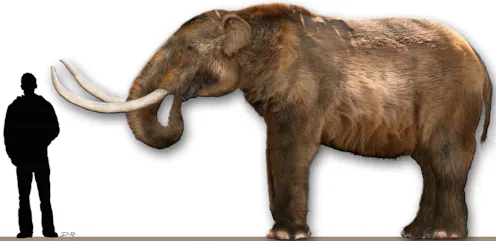
We all know that humans are having a massive impact on the planet. Our effects include altering the Earth’s rotation by damming large amounts of surface water; changing the composition of the atmosphere…
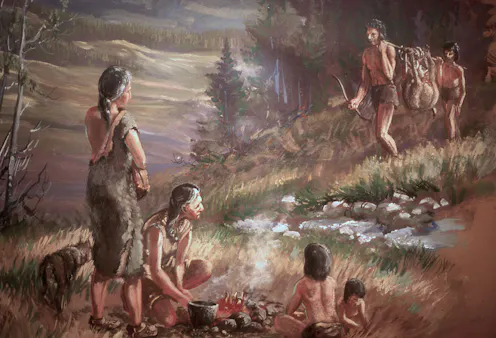
Interest in the diet of our evolutionary ancestors would ordinarily be a topic of curiosity in only the most obscure of scientific circles. But the popularity of the so-called palaeodiet has brought unprecedented…
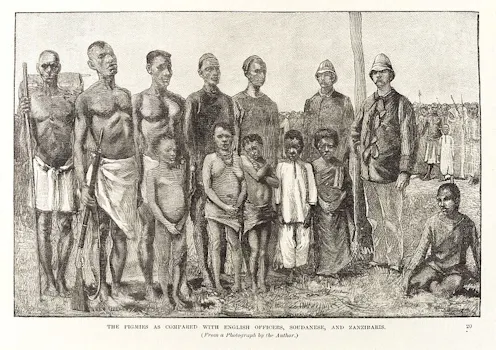
For more than two centuries physical anthropologists have been preoccupied with cataloguing and explaining the way humans vary physically across the planet. We mostly differ in familiar ways: body mass…
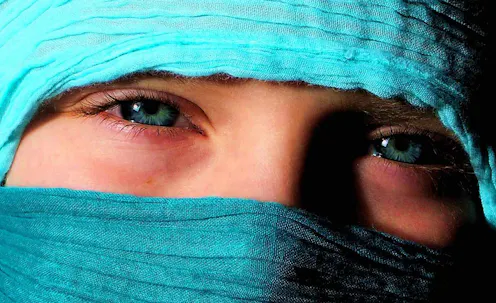
The science about our special senses - vision, smell, hearing and taste - offers fascinating and unique perspectives on our evolution. Yet it remains patchy; we know surprisingly little for example about…
