

A bid to amend plans for the final stage of the Barangaroo project would once again favour developers’ interests over the public interest. It shows how badly the planning process has been undermined.
- Head of Urbanism and Associate Professor of Urban Studies, School of Architecture, Design and Planning, University of Sydney
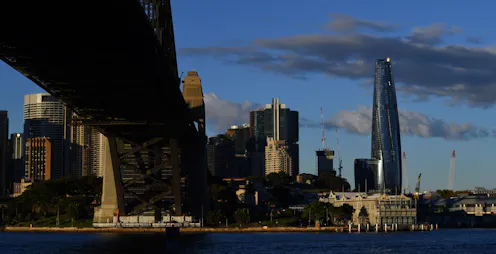
James Packer’s Barangaroo tower has not just changed Sydney’s skyline. It has changed the whole planning system.
The redevelopment of public housing and the introduction of private accommodation can leave the original tenants feeling worried they’ll be living in a neighbourhood they hardly recognise.
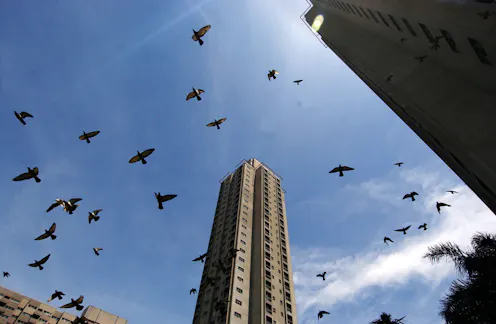
Public housing renewal often aims for a 70:30 private-public mix of dwellings. Modelling shows applying this mix to Waterloo housing estate would cut the suburb’s social housing share from 30% to 17%.
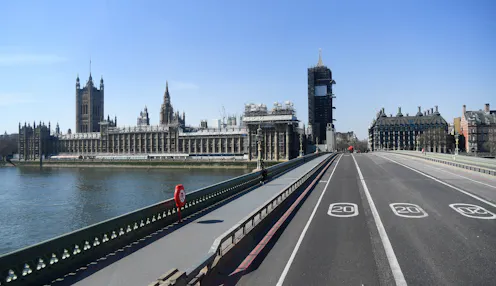
What does the pandemic sound like? In this episode, urban researchers all over the world open up the voice recorder on their phones and record a two minute report from the field about their city.

Housing is our first line of defence against coronavirus, so leaving someone homeless increases the risk for everyone. Australia should follow other countries in imposing a moratorium on evictions.
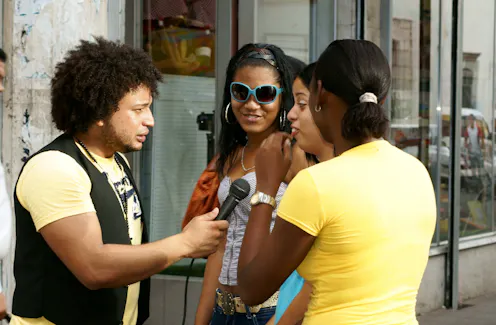
Podcasters are creating new conversations about who and what the city is for. But even in the podcasting world, powerful interests can make it hard for new and previously excluded voices to be heard.
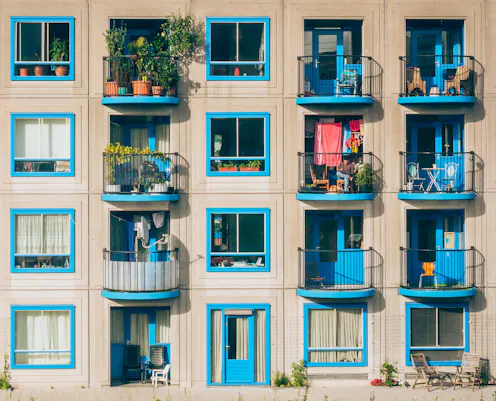
Dallas Rogers speaks with Chris Ho and Edgar Liu about what's going on in apartment buildings as we move up, rather than out, and how we can look after ourselves and each other in culturally diverse, high-density living.
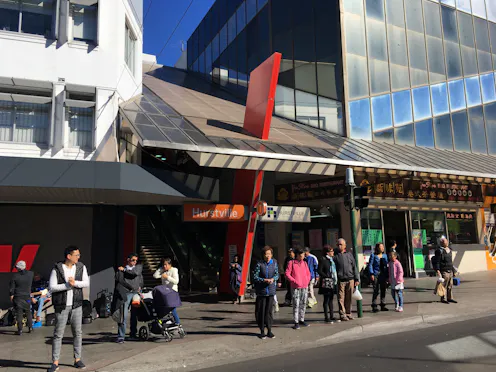
This is the first article in our series, Australian Cities in the Asian Century, which looks at the impact of the rise of China and Chinese migration on our cities.
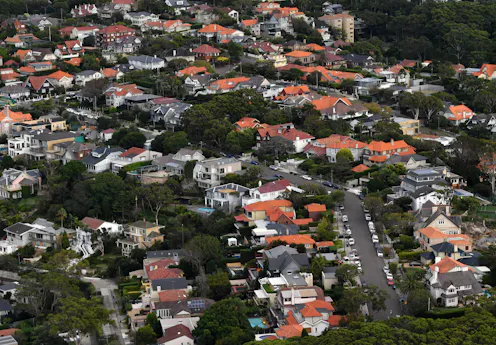
Foreign investment in Australian property has plummeted by more than half, signalling an apparent end to the China-fuelled real estate frenzy. Along the way we learned some useful lessons about boom and bust.
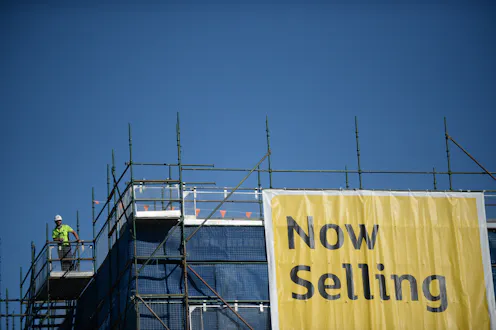
Essays On Air: Australia’s property boom and bust cycle stretches back to colonial days
The Conversation, CC BY58.7 MB (download)
Australia's property market is slowing and many are contemplating a possible bust. But today's episode of Essays On Air reminds us that since colonial days, Australia's property market has had its ups and downs.
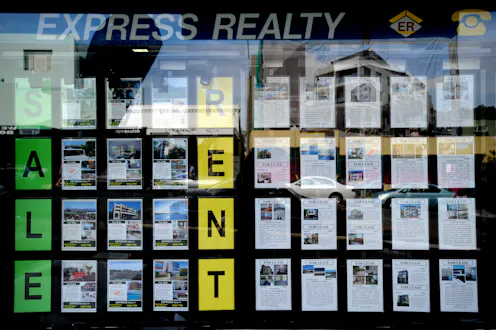
You’d perhaps expect property investors not to mind foreign investors who might push up prices. More surprisingly, house hunters are also more supportive than those who are not looking to buy.
Speaking with: Cameron McAuliffe on NIMBYs, urban planning and making community consultation work
Dallas Rogers speaks with Western Sydney University's Cameron McAuliffe about leveraging conflict and informal processes in the urban planning process.
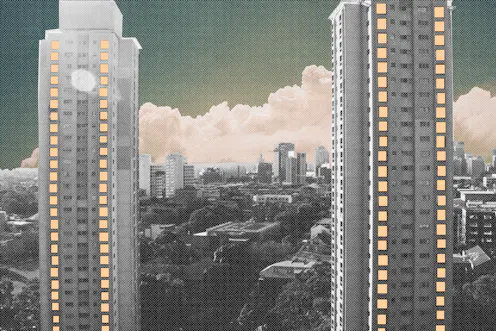
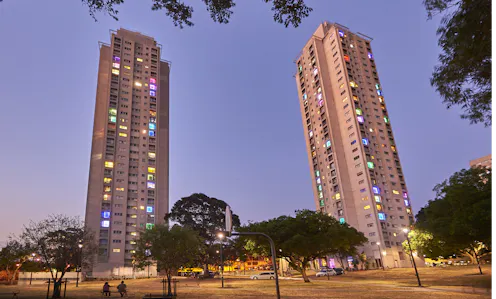
Residents of two high-rise public housing blocks are being given ‘mood lights’ to express how they feel based on their experience of the process of redeveloping their neighbourhood.
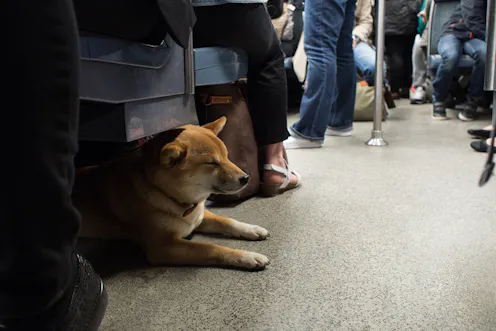
Why does Australia, a nation of pet lovers, not allow pets on public transport or guarantee tenants the right to keep a pet?
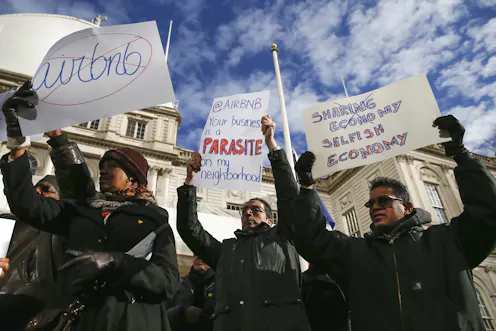
Dallas Rogers speaks with Nicole Gurran about the rise of AirBnb and what the limited data publicly available can tell us about how it's blurring the line between residential property and tourism.
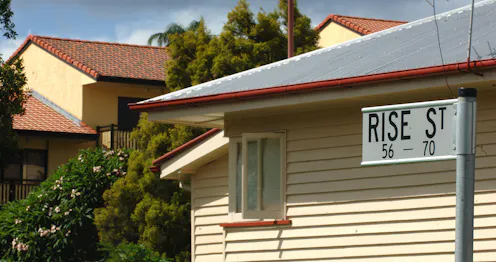
Only 18% of Sydneysiders think foreign investors should be able to buy property. They simply don’t accept arguments that this investment improves housing affordability by increasing supply.

We now value the house as a wealth builder, not just a place to live in and raise a family. The result is a distorted investment market that makes home ownership and rental unaffordable.

The Conversation asked eight authors from across its sections to tell us about their favourite podcasts – and why you should tune in.
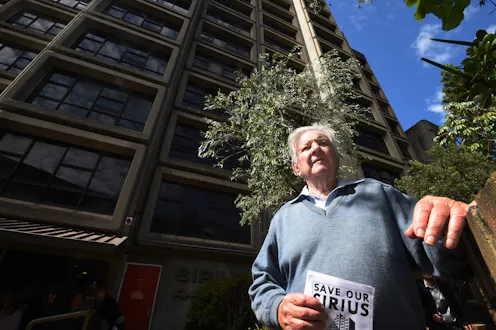
Dallas Rogers speaks with Nicole Cook about how union 'green bans' in the 1970s stopped the redevelopment of working-class suburbs in Sydney.
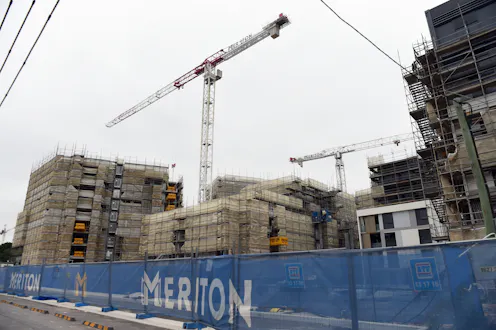
The government says its changes to foreign investment will increase housing supply and make it more affordable, but that’s relying on narrow and possibly incorrect assumptions about investors.
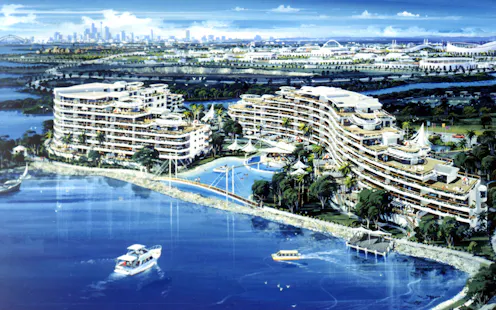
The community needs affordable housing and that requires meaningful targets for new developments. The only ones who will lose out are landholders who make windfall profits from rezoning.

Dallas Rogers speaks with Alanna Kamp on how racism and sexism has excluded lives and experiences of Chinese-Australian women from our historical record.

Dallas Rogers speaks with Ilan Wiesel and Ray Forrest about the impact of the super rich on local politics, our cities and wealth inequality.
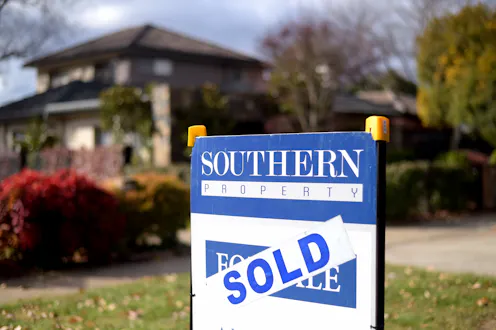
The history of foreign investment in land and real estate shows the global movement of people and capital is closely linked to the prevailing geopolitics.
Contact Dallas for
- General
- Media request
- Speaking request
- Consulting / Advising
- Research collaboration
- Research supervision
- Location: Sydney, Australia
- Website
- X (formerly Twitter): @DallasRogers101
- Article Feed
- ORCID
- Joined
