
‘Momma’s right here and she’s pissed’: influencers can show wildlife to their audience without traumatising baby wombats
- Professor in Ecology, Charles Sturt University

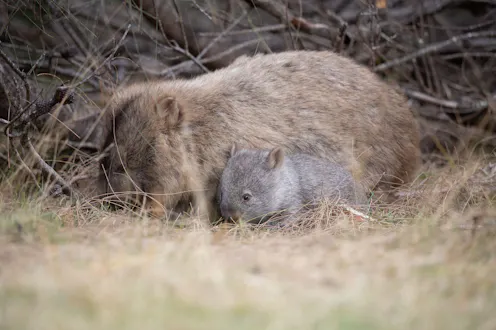
Are wombats the accidental heroes of the Australian bush? After the Black Summer bushfires, we set up 56 cameras to capture animal activity in areas with and without wombat burrows to find out.
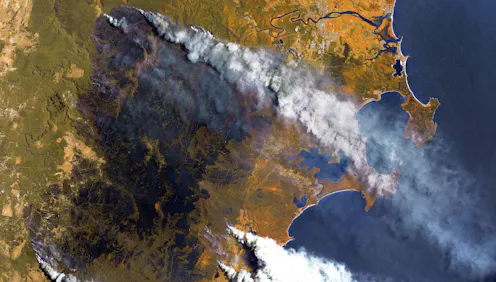
We compiled maps of bushfires and prescribed burns in southern Australia from 1980 to 2021 to see how fire activity is changing habitat for 129 threatened species such as mountain pygmy possums.
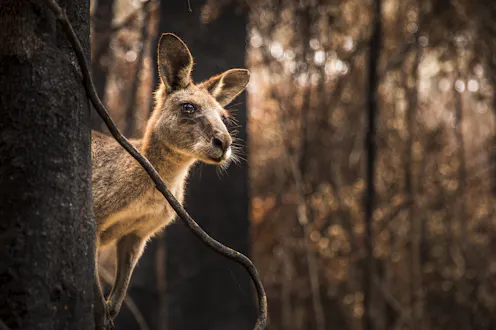
Animals are surprisingly good at avoiding fire - but can they survive the unprecedented megafires we now face?
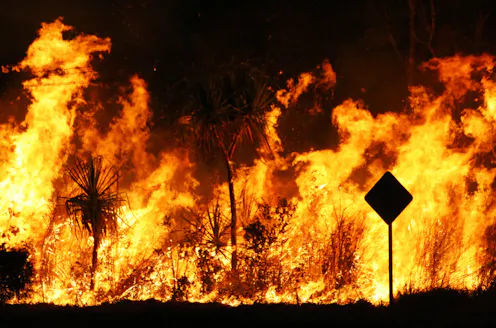
Studies show some animals can recognise the threat of fire, and behave in a way that increase their chance of survival. But what about wildlife who have evolved in areas where fire was once rare?
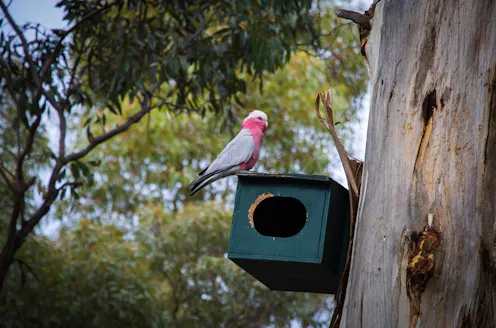
New research reviewed more than 200 studies, and found the science underpinning artificial refuges — think nest boxes and artificial burrows — must be improved.

The weather is warming up, and snakes are coming out to bask in the sun. But we don’t need to tell tall tales to appreciate snakes – the truth is far more fascinating.
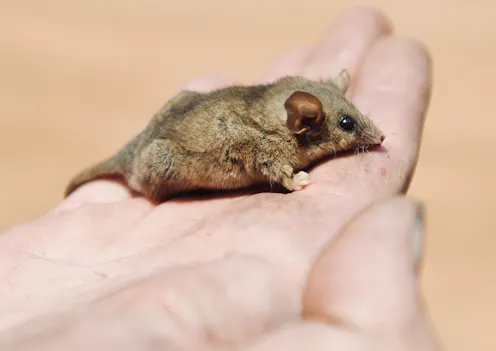
How fast can an animal run? How intense was the fire? Picking which species to help after a bushfire tragedy is no easy task.
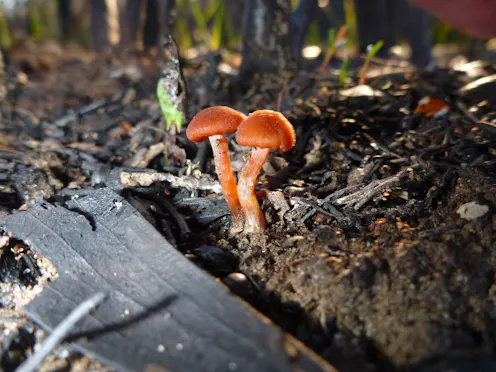
Most fungi go unseen, but they play a vital role in ecosystems.
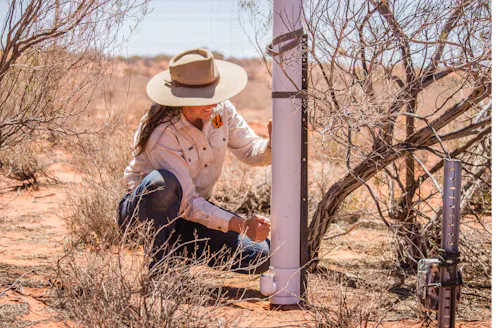
We all want to help native animals recover after bushfires, but giving a koala a drink from your water bottle can cause more harm than good. Here are some helpful things you can do.
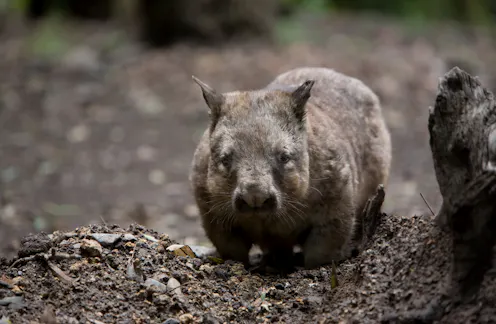
Wombats don’t herd animals to shelter in their fire-proof burrows, they just tolerate uninvited house guests.
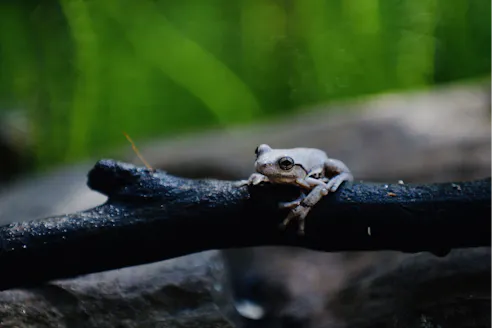
Wildlife can smell and hear a fire coming, and have developed novel ways to evade it. But they must watch out for cunning predators rushing in for a feed.
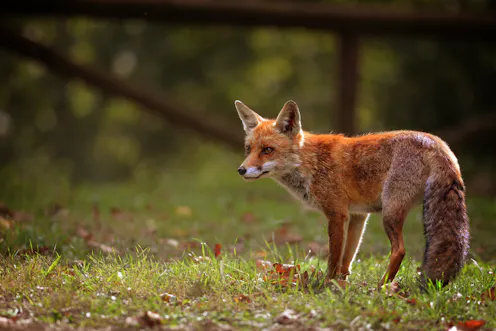
Some predators thrive after fires, other wilt – and one bird even starts them on purpose.
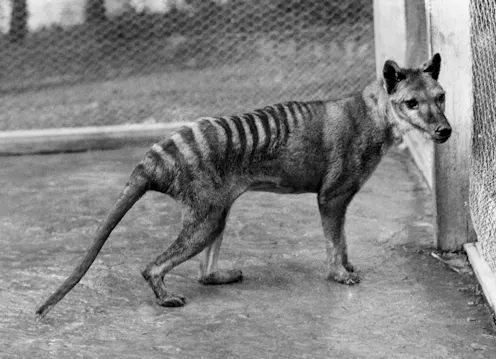
New research has revealed 100 plant and animal species have become extinct in the past two centuries – a far higher number than previously thought.

The plan to kill 2 million feral cats nationwide by 2020 makes for good headlines. But it’s also a simplistic goal that won’t necessarily deliver conservation benefits to native species.
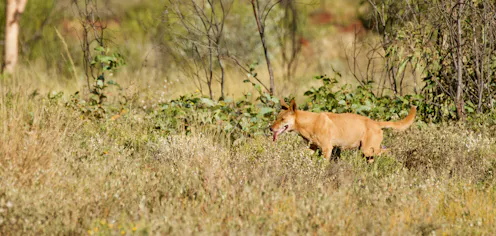
A survey of 32,000 samples of dingo droppings and stomach contents reveal that this predator’s appetite is as wide-ranging as Australia’s landscapes. But medium and large mammals are top of the menu.
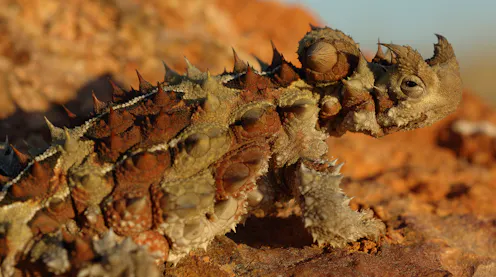
Most of Australia’s plants and animals are found nowhere else on Earth. This remarkable biodiversity requires a bolder, brighter conservation vision.
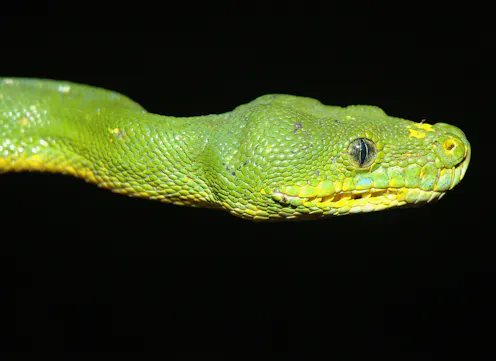
Australia’s species, like this green python, are remarkable and need far better protection.
Before we decide to eradicate or control an invasive species, like carp, we need plenty of scientific evidence and independent assessments first.

Cats have a bad reputation as wildlife killers (deservedly so). But dogs aren’t off the hook: new research shows domestic dogs have contributed to the extinction of at least 11 species.
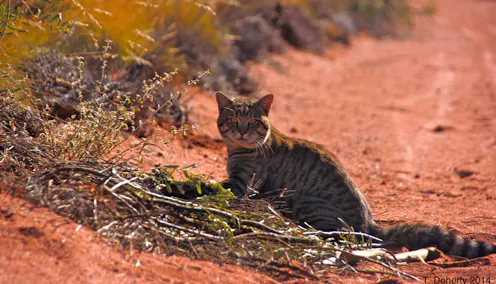
Cats, rats, foxes and other mammal predators have been implicated in 60% of the world’s animals extinctions.
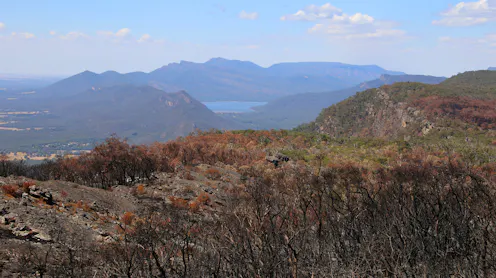
The Grampians, like much of Australia, has swung from Millennium Drought to Big Wet and back again, putting animal populations on a rollercoaster that could get worse as climate change bites.

We’ll have to get our priorities in order to protect Australia’s wildlife.
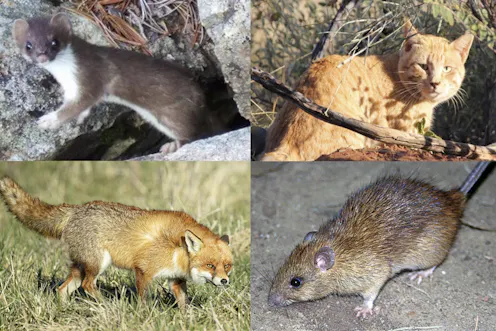
Research published this week shows saving wildlife is much more complicated than killing introduced predators. Killing predators often doesn’t work, and is sometimes actually worse for native wildlife.
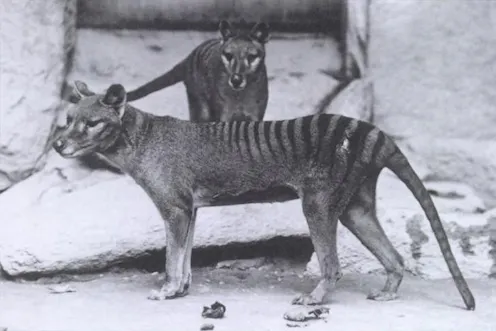
There was a plague of them and one night I got approximately 300 which had been poisoned in the garden during night. This went on for two or three years. Take a second and have a guess what animal species…
Contact Dale for
- General
- Media request
- Speaking request
- Consulting / Advising
- Research collaboration
- Research supervision
- Location: Albury, NSW, Australia
- Website
- X (formerly Twitter): @BiodiversityGuy
- Article Feed
- ORCID
- Joined
