Digital Journalism Instructor, Centre for Journalism Experimentation (JEX) Researcher,
Concordia University
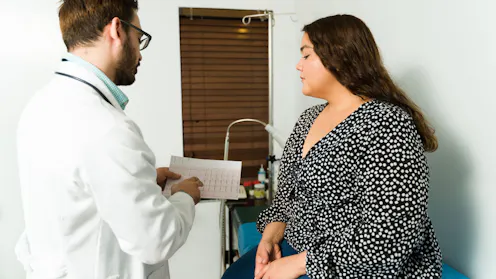
Canada’s 2020 adult guideline reframed obesity, reorganizing care around what matters to patients: quality of life, function and reduction of related complications, not just kilograms lost.
(Canva)
Canada has quietly become an unexpected leader in global obesity care guidelines, but care at home — where one in four adults now lives with obesity — remains slow and uneven.
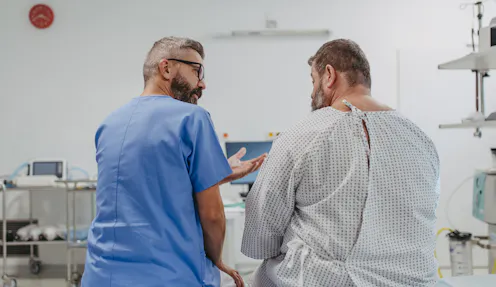
For too long, societal attitudes have focused on blaming individuals for poor lifestyle choices, ignoring the deeper, multifaceted causes of obesity.
(Shutterstock)
Obesity is a critical public health concern affecting millions worldwide. Yet, it is often oversimplified as an issue of lifestyle choices.
Teaching researchers and scientists communication skills — including social media proficiency — will help inform the public about new discoveries and research.
(Shutterstock)
Budget cuts and outsourcing content have affected the amount and quality of science journalism. Scientists should learn to communicate their own findings directly and clearly to the public.
La science fait partie de la vie quotidienne. Beaucoup d'informations circulent, et disent un fait et son contraire. La démarche journalistique est d'autant plus nécessaire.
Shutterstock
La science fait partie de la vie quotidienne. Les informations circulent et disent un fait et son contraire. Les journalistes doivent tenir compte de toutes les ambiguïtés d'un sujet.
Our decision-making and conduct is influenced by what we read, see or hear.
(Shutterstock)