
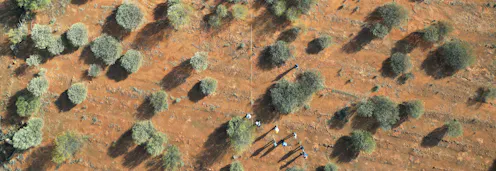
Critics have taken aim at an Australian scheme meant to encourage forest regrowth. But independent assessments show the regeneration schemes are working
- Honorary Associate Professor, Forest Measurement and Management, Fenner School of Environment and Society, Australian National University
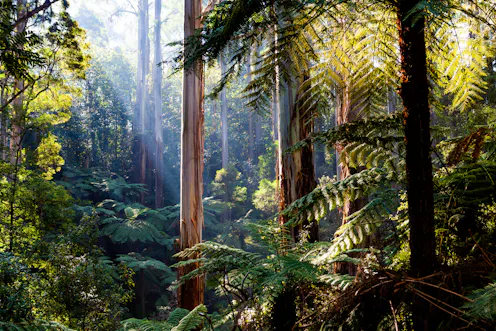
We counted the number of standard trees in Australia. It turns out that since 1990, we’ve actually been gaining trees faster than losing them.
Humans have an innate affinity with nature. Embracing this in your home while locked down may improve your productivity and health.
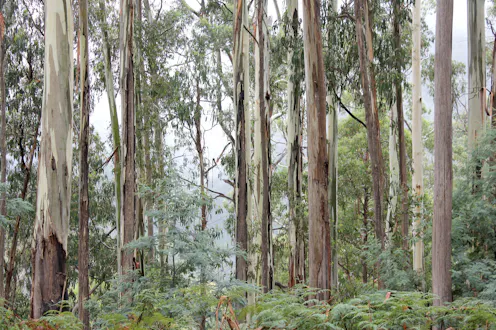
The nature of our fires is changing rapidly, and the adaptation of our plants and animals won’t be able to keep pace.
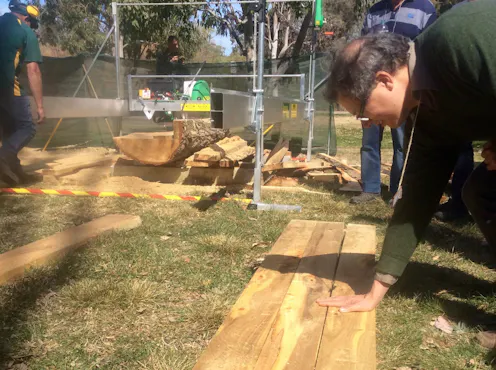
City trees are often short-lived and many others get cut down in their prime. Turning them into mulch both wastes timber and releases stored carbon. A wood rescue program creates a more fitting legacy.

The cycles of life, in their fierce glory, are reflected in a stunning exhibition of nature photography.
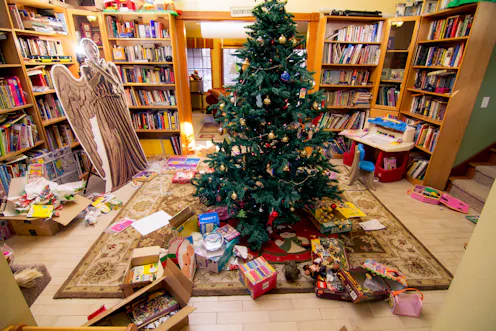
Studies show the presence of natural living things in homes improve wellbeing. So why not have your own version of a Christmas tree all year round?
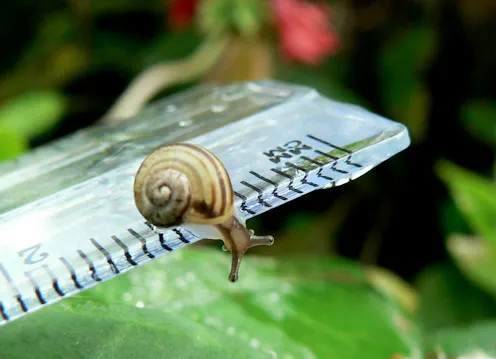
How useful is the information you get from the measure of any thing? That depends on what you chose measure in the first place, and that’s not always clear.
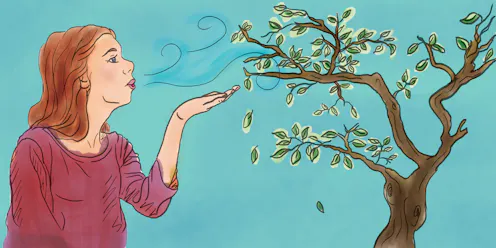
Urban trees are literally made with the help of human breath – they turn the carbon dioxide we breathe out into the building blocks of plant growth. So your local trees have a piece of you inside them.
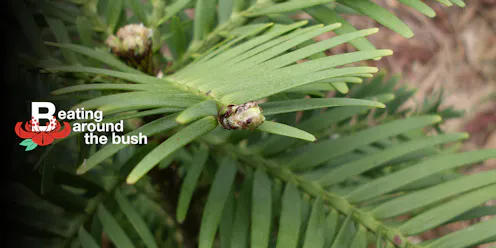
Wollemi pines have survived for hundreds of millions of years. Once covering Australia, they now survive in a few isolated spots – but they’re coming back in a big way.
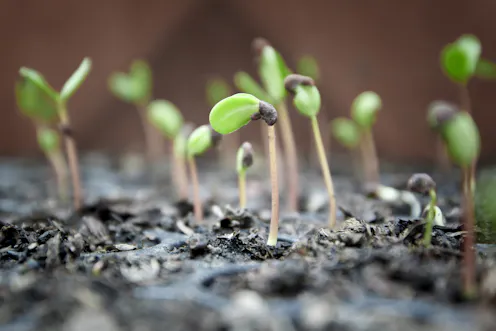
A seed contains nearly everything a tree needs to get growing. Just add a dash of water, a bit of warmth and the right location, and you’ll be seeing green in no time.
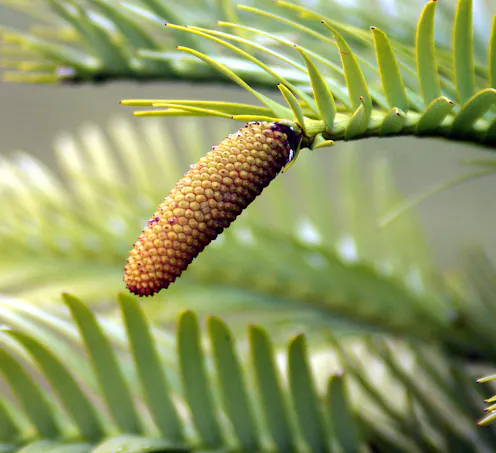
Australia is home to some of the oldest trees in the world. But how do they live so long?

Do we really need to focus on things like spelling or memorising dates if technology can do that for us? Perhaps education should focus on other things instead.
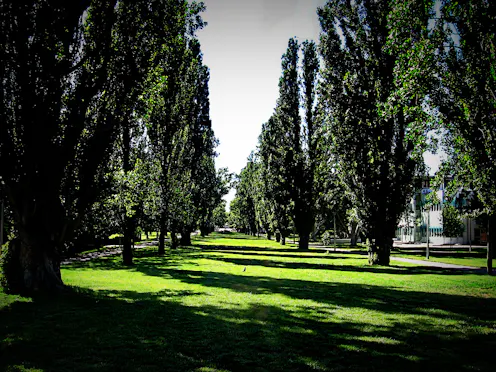
Planting more trees in our cities is a good idea, but we need to remember to plan ahead for conditions those trees might encounter when they mature in half a century’s time.
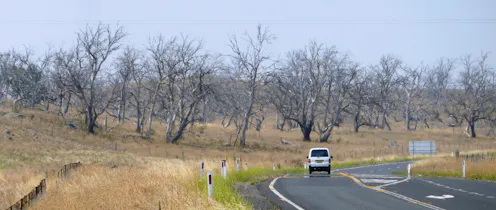
2,000 square km of forest have dropped dead in New South Wales, indicating big changes to the environment.
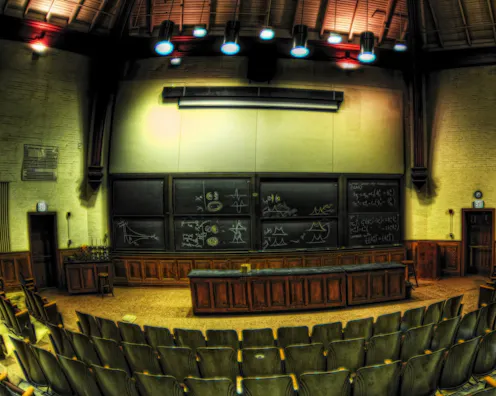
Lectures are being abandoned in favour of “flipped” classes, with lots of short videos and quizzes. But the lecture format has merits that shouldn’t be overlooked.
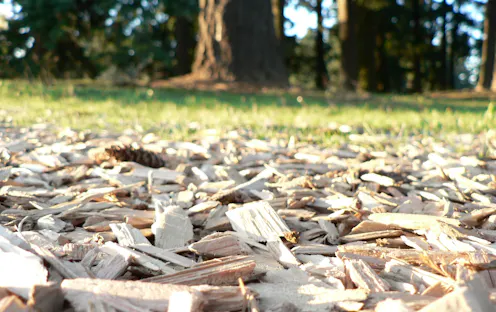
The outcry over the government’s plan to allow wood burning from native forests under the revamped Renewable Energy Target belies the fact that woodchips can be useful and sustainable if harvested responsibly.

Lectures and lecturers will have to adapt to modern times in order to stay relevant.
Green alternatives such as wind and solar may be touted as the solution to our environmental problems such as climate change, but how green are they really? Wind and solar rely on technologically-sophisticated…
Contact Cris for
- General
- Media request
- Speaking request
- Consulting / Advising
- Research collaboration
- Research supervision
- Location: Canberra, Australia
- Website
- X (formerly Twitter): @Forestprof
- Article Feed
- Joined
