

Many countries revere soldiers who have given their lives for their country. What is special about Ukraine’s memorialising is the depth of respect for individual citizens.
- Professor of Archaeology, College of Humanities, Arts and Social Sciences, Flinders University
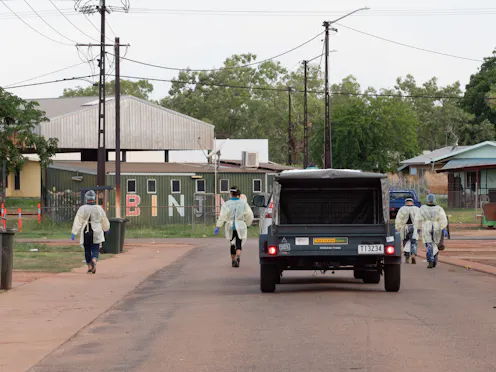
The current string of COVID outbreaks in remote Aboriginal communities are due to get worse if the NT government opens its borders on December 20, as planned.
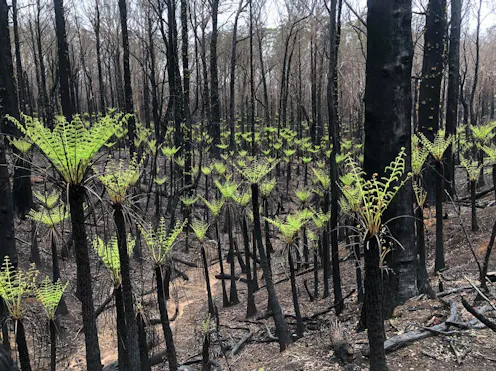
Pristine and beautiful or black and dirty? As bushfires become more frequent and we look to Indigenous fire control practices, it is time to reconsider our attitudes to burnt earth.
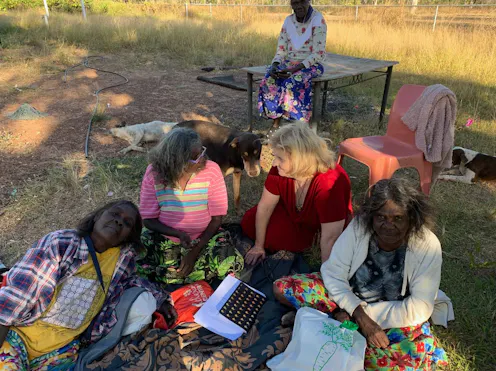
Researchers report on how COVID-19 is affecting isolated Indigenous communities. Their voices bridge the urban divide, reveal challenges and describe some unexpected bonuses.
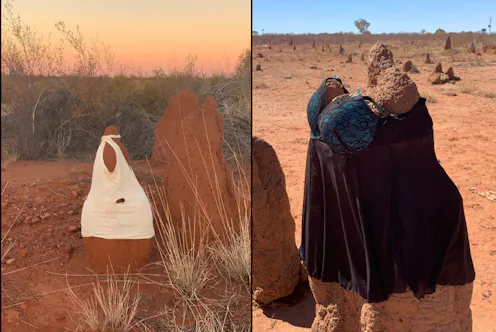
Around 300 termite mounds dressed as people can be found along the Stuart Highway in the Northern Territory. They sport all manner of accessories from bras to hard hats to beer cans.
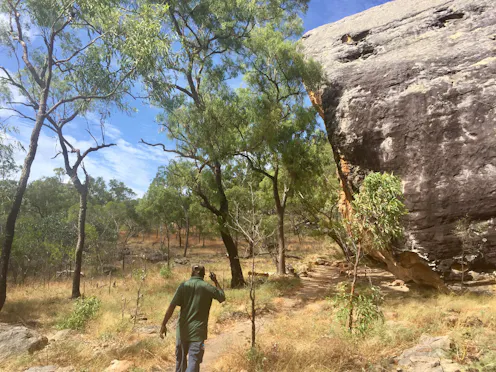
The World Heritage Listing for Victoria’s Budj Bim fish traps was ground-breaking. Here are five other Australian Indigenous sites that also deserve greater attention.

With modern technology, it is entirely possible for the cathedral to be recreated with near-accuracy to the original. We can do this and keep the original building’s spirit and feeling.
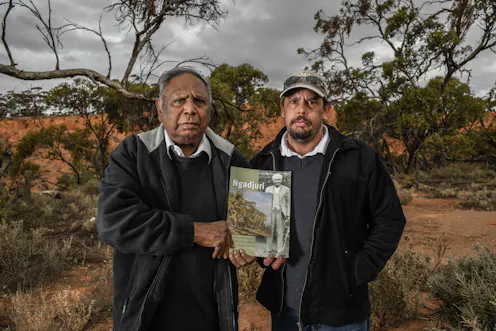
In the 1940s, the last initiated Ngadjuri man, Barney Waria, gave a series of interviews to anthropologist Ronald Berndt. Almost 80 years later, Waria’s grandson wants to share this material with his family.
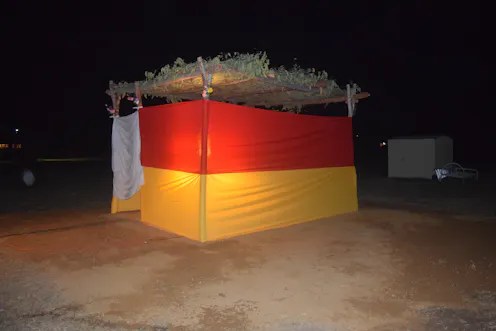
In remote Northern Territory, most Aboriginal people have been buried in unmarked graves. Archaelogists are carrying out painstaking detective work to help communities find their loved ones’ remains.

In contrast to perceptions of other homeless people sleeping rough, Darwin’s “long-grassers” are applying a long cultural tradition to deal with the situation in which they find themselves.
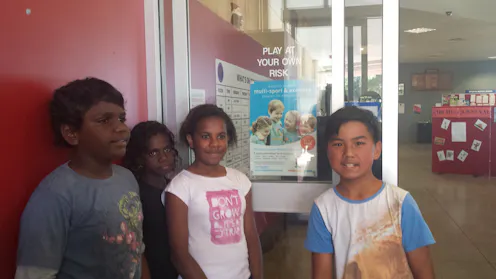
How might an Aboriginal person in the Northern Territory experience racism? There are many material signs that can make a person feel excluded from society.

From high chairs in public bathrooms to handbag baskets in cafes, Japan is a considerate place. Australia can learn from a society where material culture acts as a reminder to be aware of the needs of others.
The new impact framework will improve some of the problems arising out of the ERA’s university research audit, but major challenges will remain.

Islamic State terrorism and propaganda are designed to provoke often predictable responses. We naturally respond with displays of outrage and solidarity, but we should beware the trap of division.

Social media is making it easier for extremists to recruit individuals to commit cultural attacks.
Prime Minister Tony Abbott’s planned repeal of 9500 redundant regulations and 1000 Acts of Parliament could loosen dangerously close ties between politicians and developers. While such ties are problematic…

A spate of internet hacking during the New Year period – including an attack on Skype by hacker group the Syrian Electronic Army, and another on social media photo sharing app Snapchat by website SnapchatDB…
Contact Claire for
- General
- Media request
- Speaking request
- Consulting / Advising
- Research collaboration
- Research supervision
- Location: Australia
- Website
- X (formerly Twitter): @bangirn
- Article Feed
- ORCID
- Joined
