
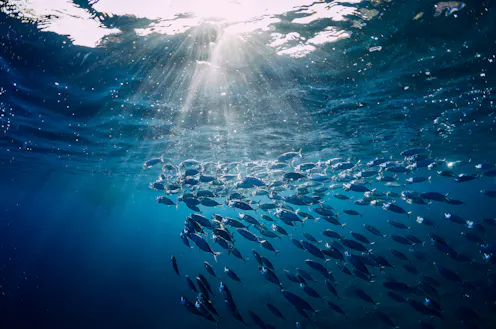
Climate change is heating up the ocean and marine species are starting to migrate in search of cooler water. This could throw ecosystems out of balance and disrupt fisheries, leading to a food crisis.
- Senior Research Fellow in Climate Change Risks, University of Cape Town
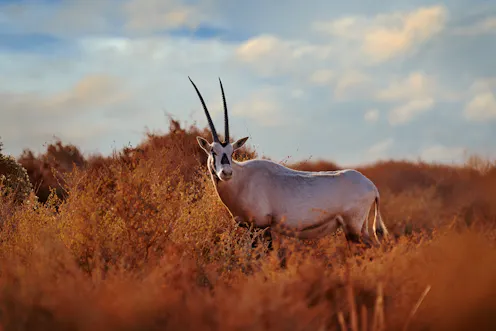
Species will endure intolerable conditions long after the global average temperature stabilises.
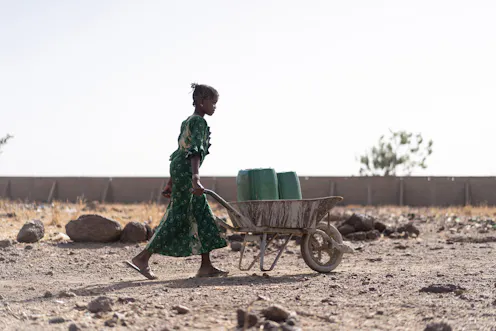
Education, historical trends in precipitation, and perceived drought experiences predict increased climate change literacy, but rates are lower for women, those in rural areas, and low-income groups.
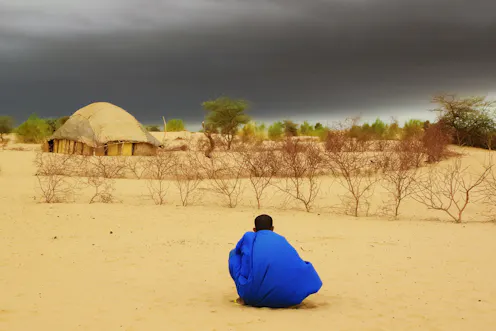
Without financial support that helps communities adapt to climate impacts, climate change is projected to push tens of millions more Africans into extreme poverty by 2030.
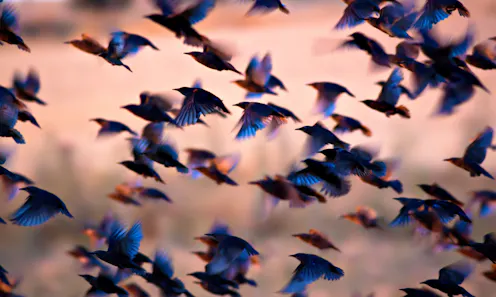
Ecology is dominated by colonial notions and knowledge that doesn’t consider local knowledge. This needs to change.
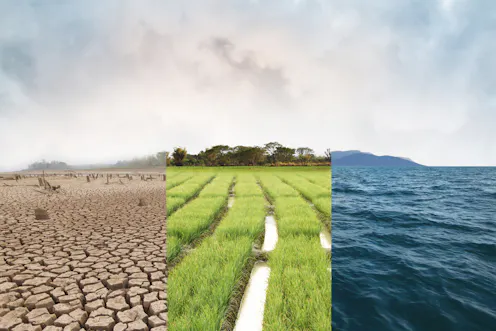
A holistic view of climate change risk considers climate hazards, exposure, vulnerability and the responses to these. It also takes into account how multiple risks interact.

Artificially dimming the sun, by injecting reflective particles into the upper atmosphere, could reduce the risk of Day Zero level droughts in Cape Town by more than 90% in the future.
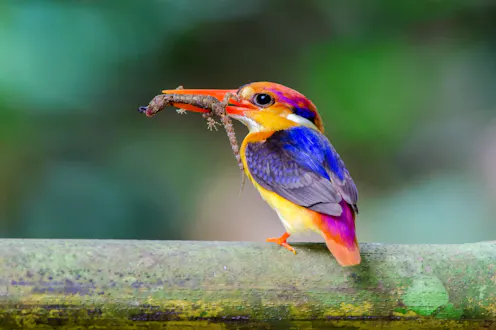
Kehilangan biodiversitas secara cepat akibat perubahan iklim juga merupakan ancaman signifikan bagi kehidupan manusia.
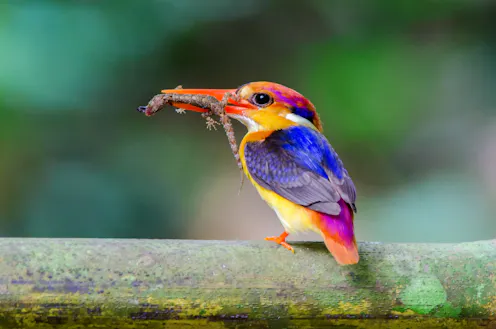
Abrupt losses of biodiversity from climate change represent a significant threat to human well-being.

A synthesis centre in Africa would massively improve the ability of researchers to understand complex scientific problems.
Contact Christopher for
- General
- Media request
- Speaking request
- Consulting / Advising
- Research collaboration
- Research supervision
- Location: Cape Town, South Africa
- Website
- X (formerly Twitter): @christrisos
- Article Feed
- ORCID
- Joined
