
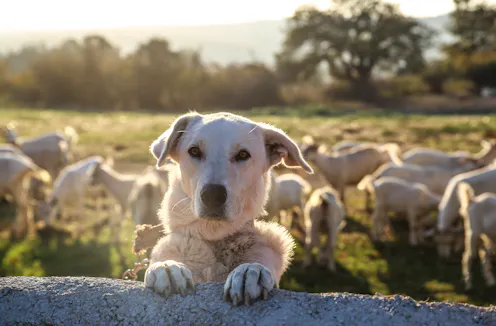
Farmers have been using dogs to protect their livestock from predators for thousands of years – and it’s still one of the best methods around.
- Professor of Wildlife Conservation, University of Tasmania
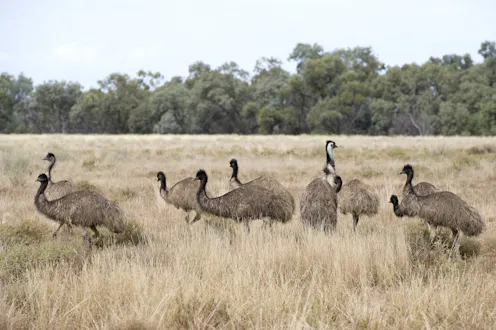
Tasmania’s emus were hunted to extinction in the mid-1800s but we could have them back – and their return could help other species survive climate change.
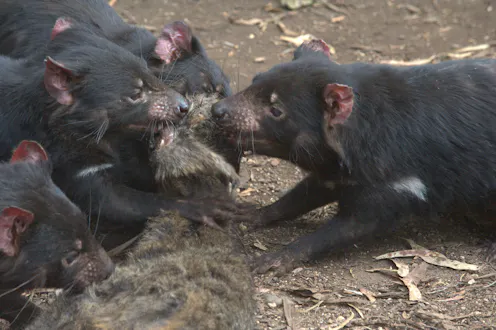
A new study involving leaving animal carcasses strewn across Tasmania shows that in places where devils have dwindled, other scavengers are stepping up to fill the gap, with nasty knock-on effects.
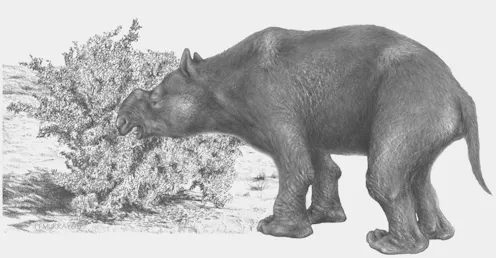
What killed off Australia’s giant wombats and other megafauna? New dating once again points the finger at human hunters, rather than abrupt changes to the climate.
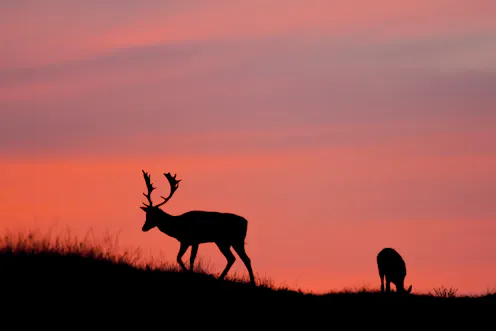
There are now six species roaming wild, and their numbers are increasing dramatically as their population expands and through human action. As they spread, they raise uncomfortable issues for conservation.
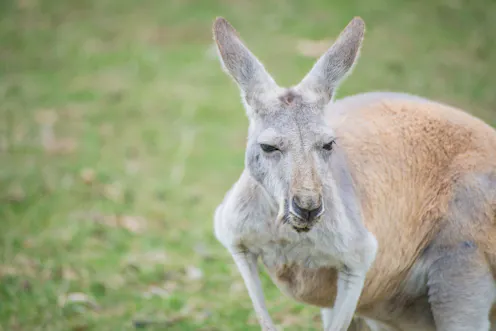
Campaigners against commercial kangaroo harvesting say it’s unsustainable and have convinced California to extend a ban on kangaroo imports. But are Australia’s world-famous roos really at risk?
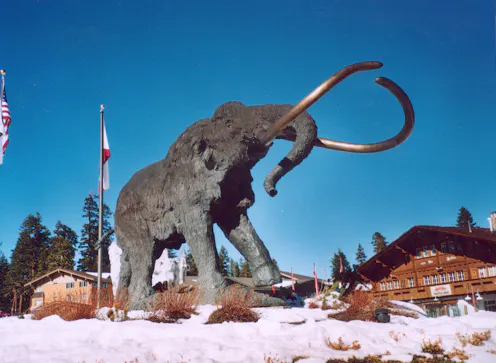
New research challenges previously held views that the Ice Age, giant biblical floods or hunting by humans were the key drivers behind the disappearance of megafauna.
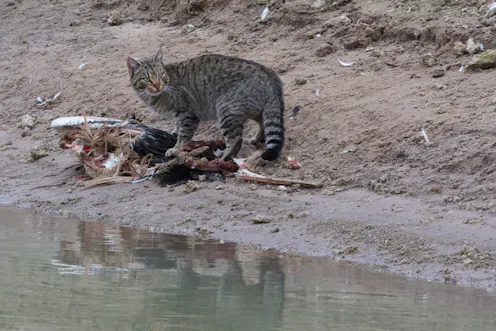
Cats and foxes are two of the greatest threats to Australian wildlife. Culling might be one solution, but sometimes culls do more harm than good.
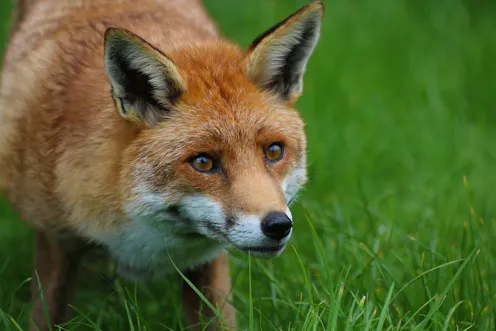
New evidence suggests there no foxes in Tasmania. Were there ever? Even if there weren’t, the state’s multi-million dollar fox hunt was worth it to save wildlife.
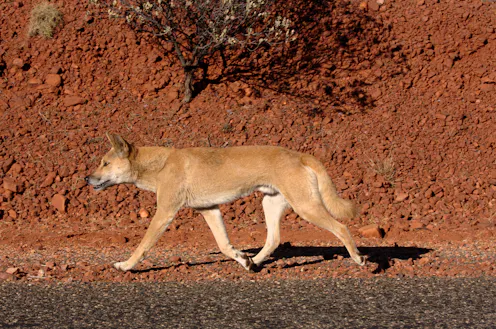
The humble dingo has become something of a scapegoat since its arrival in Australia just 4000 years ago. It is widely blamed for the disappearance of thylacines (also known as Tasmanian tigers) and devils…
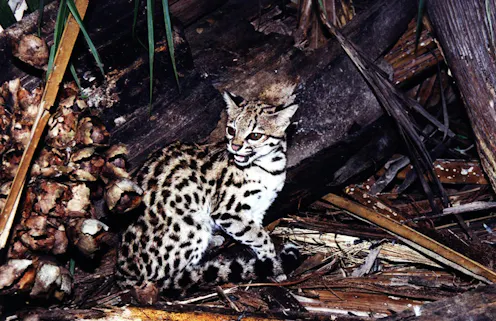
A new species of wild cat in central and north-eastern Brazil has been confirmed, according to a study published today in the journal Current Biology. This recognition formally separates the two known…

The fossilised teeth of kangaroos and other extinct marsupials reveal southeastern Queensland three million years ago was a mosaic of tropical forests, wetlands and grasslands, and much less arid than…
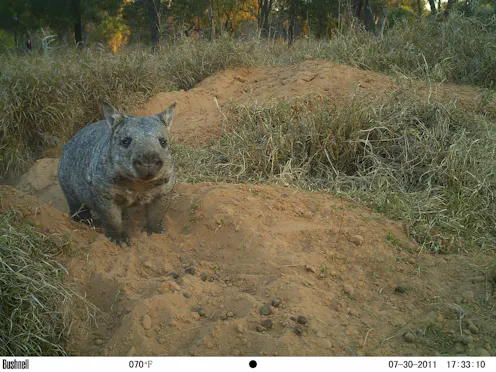
Bringing a species back from the brink of extinction is never easy. Typically, it takes long-term commitment, amounting to lifetimes of hard work by dedicated scientists, managers and supporters. That…
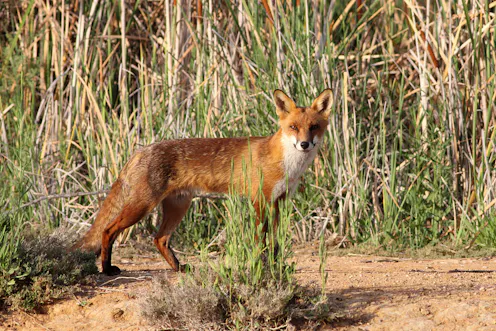
The red fox may be the most destructive species ever introduced to Australia. For a start, it carries most of the blame for Australia’s appalling record of recent mammal extinctions. Since European settlement…
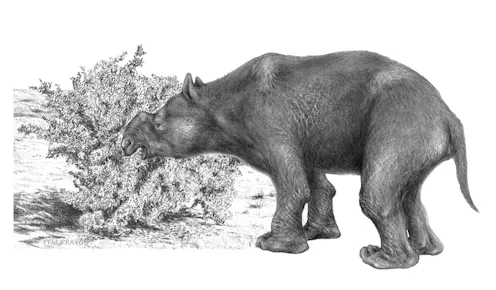
What is the oldest debate in Australian science? Probably, the argument over what caused extinction of our Pleistocene megafauna – the diprotodons, giant kangaroos, marsupial tapirs, über-echidnas and…
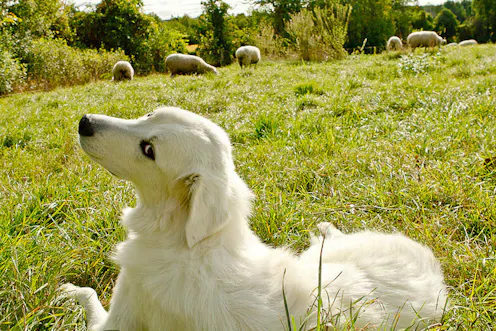
True innovation is rare in agriculture. Most farmers are willing to improve the way they work, but these improvements are typically small adjustments to established practice, rather than fundamental changes…
Contact Christopher for
- General
- Media request
- Speaking request
- Consulting / Advising
- Research collaboration
- Research supervision
- Website
- Article Feed
- Joined
