

Nutrition Facts labels provide useful information about how nutritious a food is, but can be overwhelming. A single score could help make healthy grocery shopping more approachable.
- Associate Professor of Gastroenterology, School of Medicine, University of Washington

While most Halloween candies contain lots of sugar, some are better for your gut microbiome than others.

Your gut microbes have a lot to say about how many calories you consume and how effectively your body metabolizes them.

Athletes have different gut microbiomes compared with the general population. Some of these microbes are thought to improve endurance and recovery by optimizing the cell’s powerhouses.

Your upper intestine is host to a distinct population of microbes that play a role in digestion, metabolism and immunity.
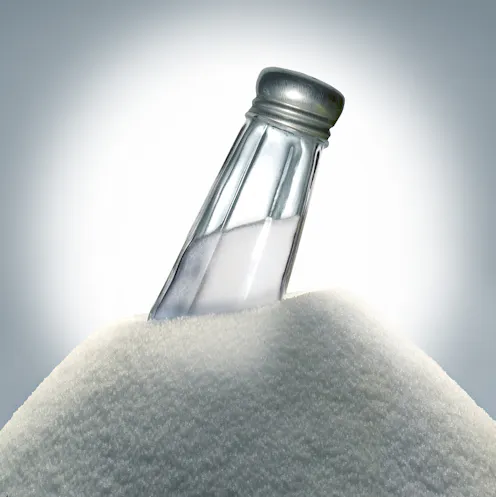
Salt is an essential nutrient that has helped civilizations flavor and preserve their foods for millennia. Too much dietary salt, however, is linked to a host of health problems.
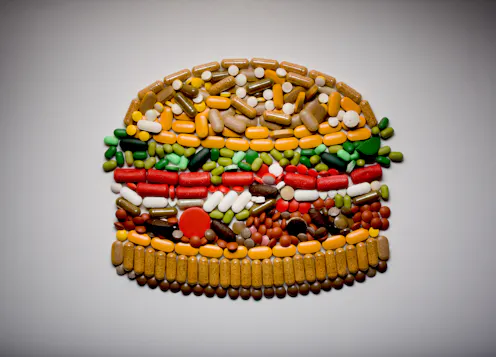
Weight loss and diabetes drugs target regulatory pathways involved in metabolism that the microbes in your gut and certain molecules from food already play a key role in regulating.

Nurturing your gut microbiome can go hand in hand with nurturing your social community, with health benefits all around.
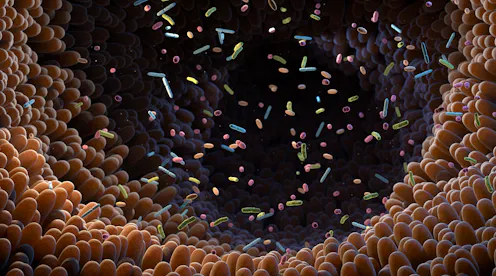
In the past two decades, technology has allowed scientists to learn so much more about the human body and its microbiomes. These discoveries may pave the way to new therapies.
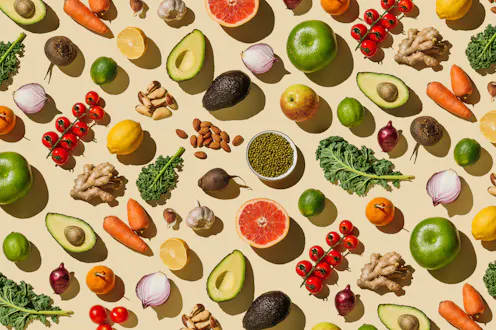
Many processed foods strip carbs of their natural fibers. Eating foods with an ideal total carbohydrate-to-fiber ratio can help with weight management and improve overall health.

Research has examined how ultraprocessed foods can contribute to diabetes, cardiovascular disease, cancer and mood disorders. A healthier diet is one way to use food as medicine.
Contact Christopher for
- General
- Media request
- Speaking request
- Consulting / Advising
- Research collaboration
- Research supervision
- Location: Seattle, Washington, U.S
- Article Feed
- ORCID
- Joined
