

Coral reefs are likely to erode even under low-emission scenarios, but some reefs may persist if corals evolve to become more resistant to ocean warming.
- Lecturer in Marine Biology, Te Herenga Waka — Victoria University of Wellington
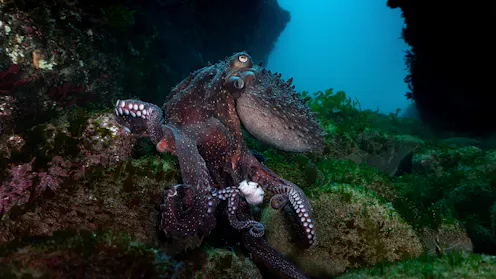
Sewage spills are often seen as short-term public health crises. But the ecological impacts can be lasting, especially if combined with marine heatwaves and storms.
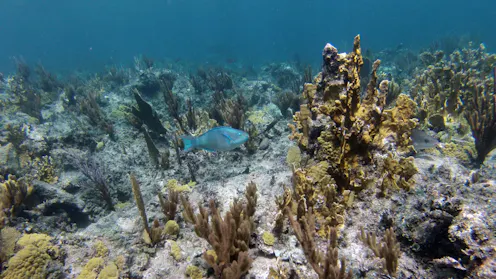
Coral reefs will stop growing and many will start to erode if global warming hits 2°C, according to a new study of 400 sites.

New Zealand’s kelp forests provide food and shelter for many marine species of commercial and cultural value. But they are at risk from warming oceans, run-off from land and marine invaders.

A study of 183 coral reefs worldwide quantified the impacts of ocean warming and acidification on reef growth rates. Even under the lowest emissions scenarios, the future of reefs is not bright.
Contact Christopher for
- General
- Media request
- Speaking request
- Consulting / Advising
- Research collaboration
- Research supervision
- Location: Wellington, New Zealand
- Website
- X (formerly Twitter): @chrisecornwall
- Article Feed
- ORCID
- Joined
