

Governments have been pushing the construction of apartment towers for years to help housing affordability and availability, but people don’t want to live in them.
- Professor of Property and Housing Economics, Adelaide University
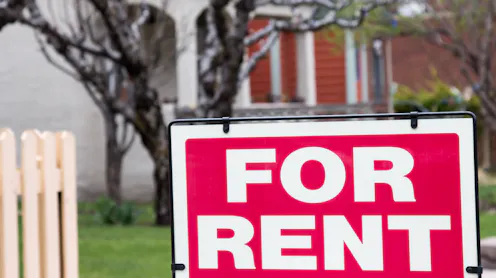
A new study reveals landlord behaviour can affect housing supply. Its release comes as the housing crisis dominates the federal election agenda.
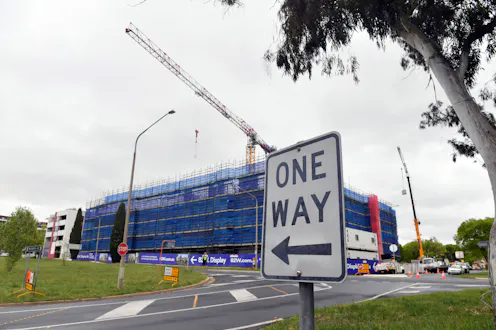
While the Productivity Commission’s critique of the national housing agreement is justified, its faith in the market is not. The Albanese government is right to invest in building social housing.
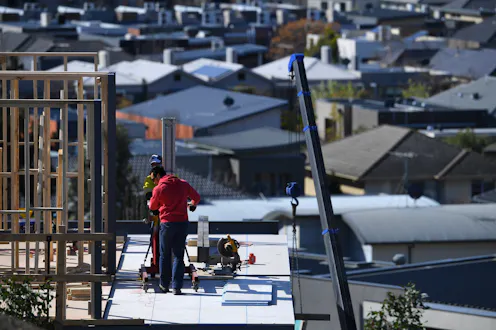
Current housing stimulus measures aim to boost buyer demand and are too small to sustain a recovery. A second round of stimulus is likely to be needed, and it should go into social housing supply.

The fallout from COVID-19 for housing and homelessness just adds to the urgency of fixing the long-standing ills of the housing market. The well-being of Australia’s economy and people depends on it.

A home, a springboard, or a safety net? New research finds a surprisingly large number of Australians have lived in social housing since 2000, using it in several very different ways.
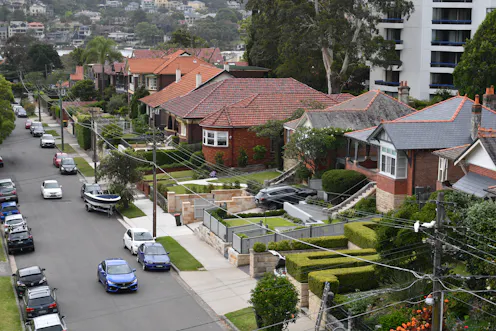
It’s natural to assume that a downturn in the property market is good news for people who’ve been priced out of the market. In practice, they might still not be able to buy a home.

One in seven Australian households is in a state of housing need. A shortfall in social housing supply means some are locked out of the market and others pay much more for rent than they can afford.
Contact Chris for
- General
- Media request
- Speaking request
- Consulting / Advising
- Research collaboration
- Research supervision
- Location: Adelaide, Australia
- Website
- LinkedIn: chris-leishman-a854ba5
- X (formerly Twitter): @cm_leishman
- Article Feed
- ORCID
- Joined
