
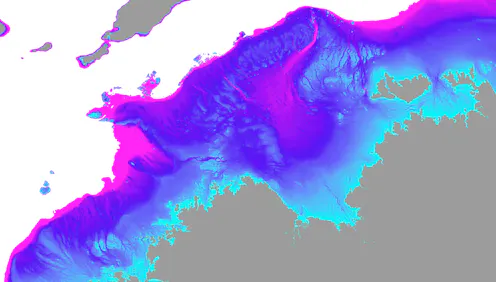
Our new study reveals a mosaic of habitable landscapes – now submerged by the ocean – once supported up to 500,000 people living in Australia’s northwest.
- Chair professor, Griffith University
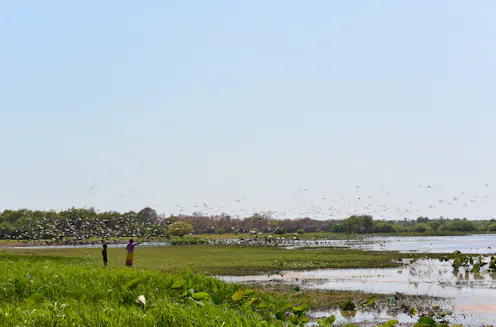
The Kakadu region has gone through immense transformation throughout history. How can archaeological food scraps tell us about how the First Australians adapted?
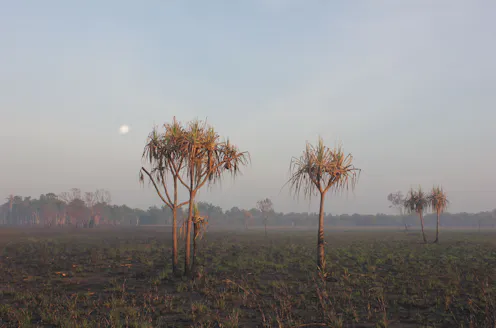
Tiny nutshell fragments, found at a rock shelter in the Kakadu region, have helped researchers track past climate change in the region.

Kami telah menemukan bukti baru bahwa manusia di India selamat dari letusan Toba dan terus berkembang setelahnya.

An archaeological site in India sheds new light on how ancient humans dispersed from Africa across the world.

Charred plant remains from one of the oldest archaeological sites reveal that the first Australians ate a varied - and sometimes labour-intensive - diet.
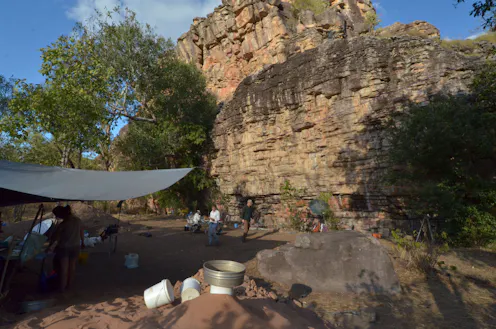
A new study pushes back the first known evidence of human activity in Australia – to 65,000 years ago.
Contact Chris for
- General
- Media request
- Speaking request
- Consulting / Advising
- Research collaboration
- Research supervision
- Location: Brisbane, Queensland
- Website
- LinkedIn: https://www.linkedin.com/feed/?trk=guest_homepage-basic_google-one-tap-submit
- X (formerly Twitter): @clarchaeology
- YouTube: @clarchaeology
- Article Feed
- ORCID
- Joined
