
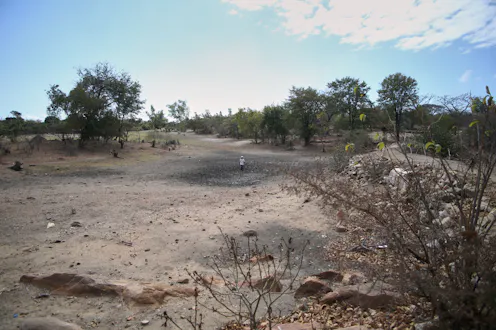
The drought is driven by El Niño, an unusual warming of surface waters in the eastern tropical Pacific Ocean that shifts weather patterns.
- Senior Director, Transformation Strategies Department, International Food Policy Research Institute (IFPRI), CGIAR
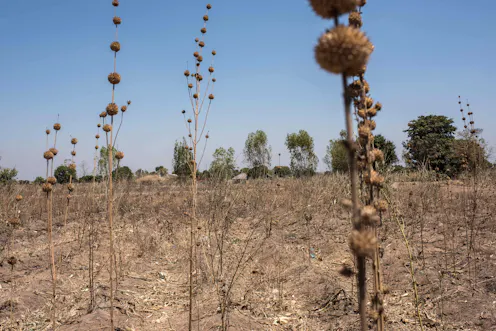
Food security experts recommend that rural farmers in Malawi be given access to irrigation systems to free them from reliance on rain, and find ways outside farming to earn an income.
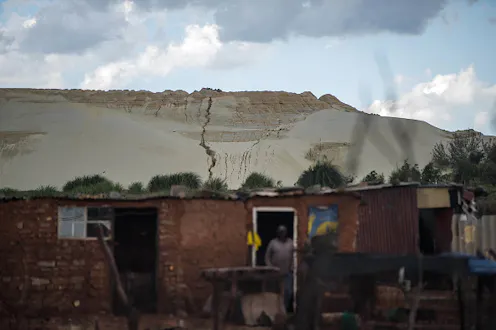
The net effect is that the shocks are most severe on poorer, more vulnerable households.
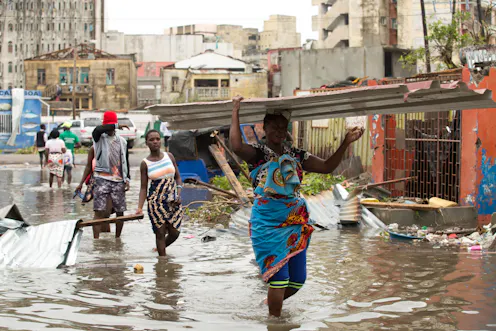
Cyclone Idai hit poor countries the hardest and shows why disaster resilience is a necessity.

The collapse of the oil price in 2014 highlighted the need for Nigeria to dilute its exposure on the commodity.
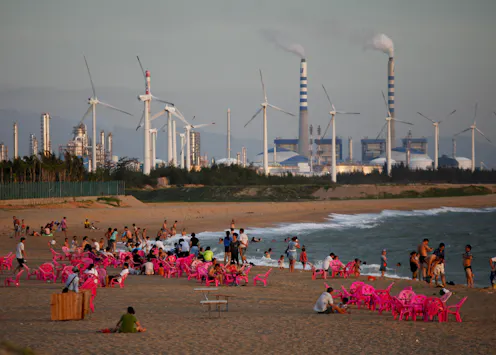
All is not lost for the climate with the election of Donald Trump.

Mozambique has made significant progress in its fight against poverty despite recent economic and political challenges
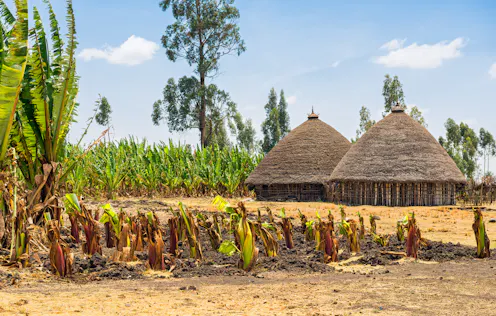
Sub-Saharan Africa has seen widespread economic growth since 1995. But increased agricultural productivity is needed to translate that growth into poverty reduction.
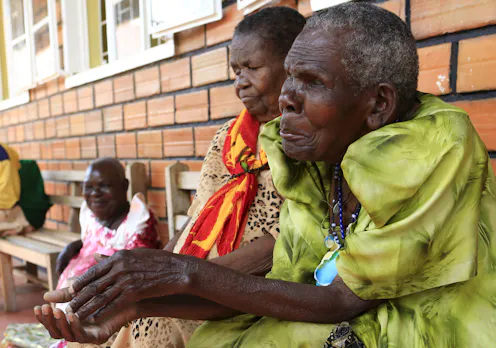
Recent studies show that development aid to poor countries contributes in the long term to their economic growth. But the aid architecture has adapted slowly to a new reality.

African countries stand a good chance at COP21 of getting their ideas across. There will also be a better opportunity for these countries to access climate finance.
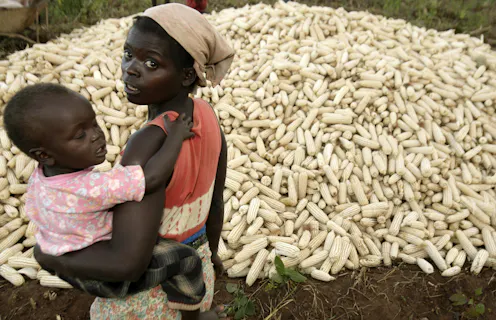
Malawi’s large-scale subsidy for farmers has resulted in higher maize production, lower food prices and higher wages. But this has come at significant costs.
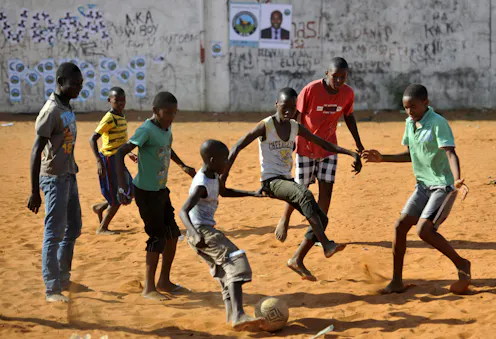
Agriculture, which employs about 80% of the working population, and political stability are key to Mozambique’s rapid economic and social progress.
Contact Channing for
- General
- Media request
- Speaking request
- Consulting / Advising
- Research collaboration
- Research supervision
- Location: Washingon DC, USA
- Website
- X (formerly Twitter): @channingarndt
- Article Feed
- ORCID
- Joined
