
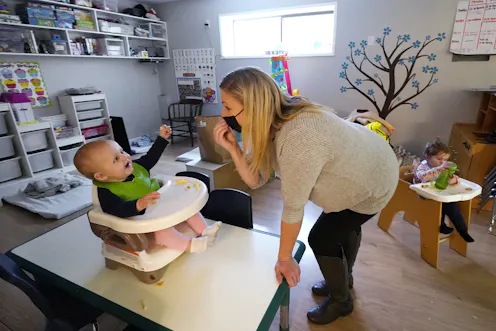
Our research has found that most pandemic-born children have been remarkably resilient to the disruptions caused by COVID.
- Professor of Radiology, University of Calgary

Research findings are mostly reassuring for parents — despite the disruptions to nearly every aspect of life during the COVID-19 pandemic, most children continue to show healthy development.

Legalization and social acceptability of marijuana have contributed to a false perception that it’s safe to use in pregnancy. The truth is, there is no known safe level of prenatal marijuana exposure.

With an estimated prevalence of four per cent, fetal alcohol syndrome disorder (FASD) is more common than autism. And yet is it surrounded by myth and stigma.
Contact Catherine for
- General
- Media request
- Speaking request
- Consulting / Advising
- Research collaboration
- Research supervision
- Location: Calgary, Canada
- Website
- X (formerly Twitter): @catherinealebel
- Article Feed
- ORCID
- Joined
