

Under a proposed policy – a departure from longtime practice that would cause significant disruption – green card applicants would no longer be able to apply for legal status from inside the US.
- Professor of Law and Director of the Center for Professional Ethics, Case Western Reserve University
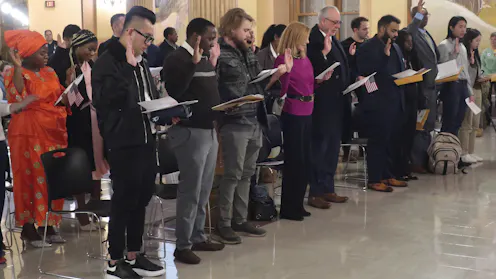
Denaturalization risks becoming a tool of political control, creating a permanent vulnerability for more than 20 million naturalized Americans.

District courts have dismissed the administration’s efforts to detain virtually all undocumented immigrants without a bond hearing while they await deportation proceedings.
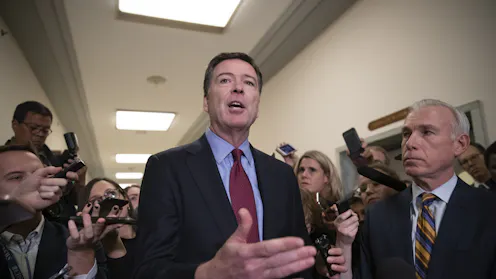
The former FBI director’s indictment breaks a principle that has protected American democracy for 50 years.

Hiding ICE attorneys’ names in immigration court proceedings violates a fundamental principle that has protected Americans for centuries: open courts.
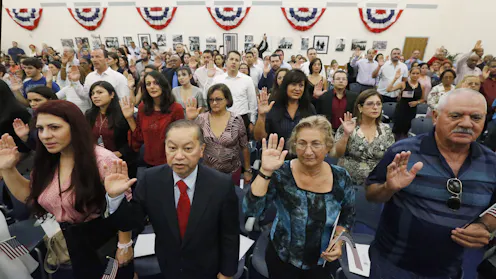
In 1967, the Supreme Court said the government usually cannot take away citizenship without a person’s consent.

The Supreme Court just made it harder for judges to block presidential policies nationwide, but lawmakers hold the key to changing that.

Arguments before the US Supreme Court on birthright citizenship – awarded to those born in the US – actually focused on the power of federal judges to impose nationwide injunctions.
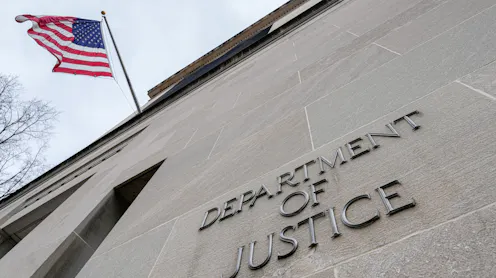
Some Department of Justice attorneys have recently been fired or have resigned, refusing to follow directives from the Trump administration that they felt violated the law, legal ethics or both.
Judge James Boasberg’s order stops short of holding any government officials in contempt, but leaves open the possibility for these sanctions.
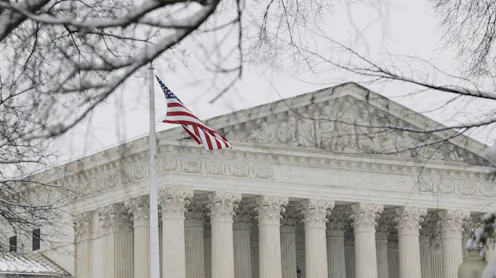
Do court-imposed nationwide injunctions, which stop policies for everyone across the country, give too much power to a single judge? Or do they protect important rights?

The current case focused on the deportation of Venezuelan immigrants raises concerns about whether the president will continue to respect the country’s legal system.

The president has vast authority over the armed forces, but using them to secure the border would quickly unleash legal chaos, say lawyers.

The handling of US classified information received another stain as a 21-year-old Air National Guardsman stands accused of mishandling secret documents on US allies and the war in Ukraine.
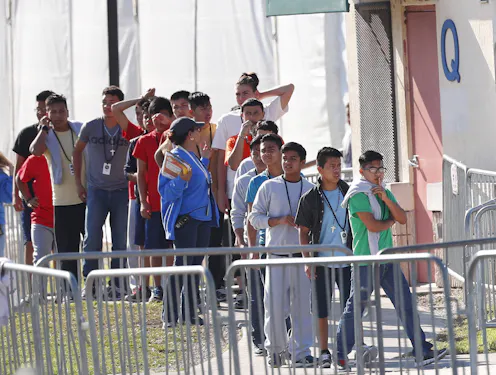
Children can be especially vulnerable to being wrongly subjected to immigration enforcement actions.
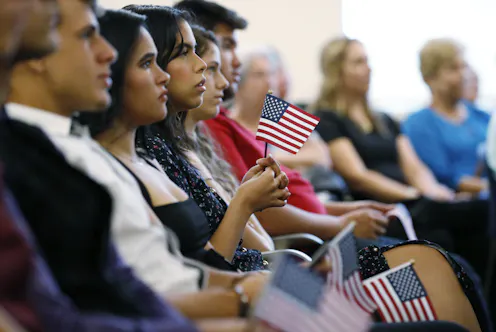
The Constitution’s guarantee of due process means this effort should not be taken lightly, legal scholars argue.

There is a risk that the foundation’s alleged disregard for its duty to serve others rather than one family’s personal interests could become more commonplace.

Leaking classified information violates the law. But it doesn’t mean that people are abandoning their ethics.
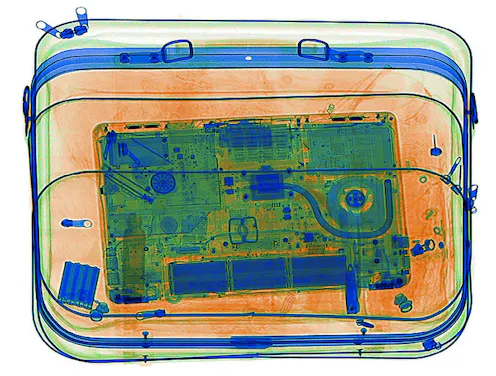
The U.S. is considering expanding a ban it imposed in March on several Middle Eastern countries to all flights from Europe. A close look suggests the meager benefits just aren’t worth the high costs.

Ethical dilemmas arise not because someone did not know the ethical rules. Instead, they arise when individuals are unable to identify the relevant ethical principle at the time of crisis.
Contact Cassandra for
- General
- Media request
- Speaking request
- Consulting / Advising
- Research collaboration
- Location: Cleveland, Ohio, U.S.
- Website
- BlueSky: @andrarobertson.bsky.social
- Facebook: cassandra.b.robertson
- LinkedIn: cassandra-burke-robertson-63b8109/
- X (formerly Twitter): @AndraRobertson
- Article Feed
- Joined
