
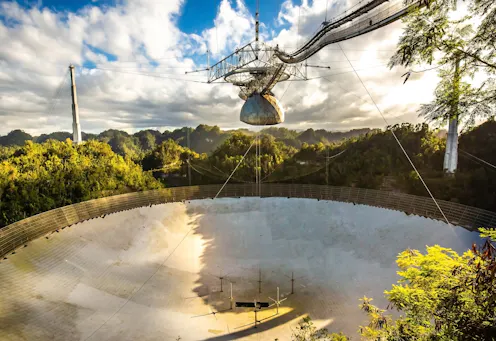
The Arecibo radio telescope has collapsed but its amazing discoveries will live on.
- Professor of Extragalactic Astronomy, Head of the Astrophysics Group, University of Bath
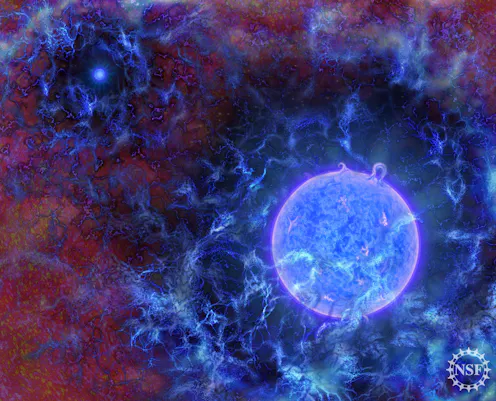
Teknologi radio baru berhasil mendeteksi cahaya yang muncul pertama kali di alam semesta.
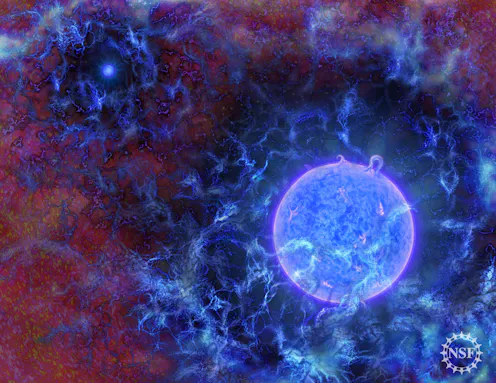
New radio technology has managed to detect the first light in the universe.
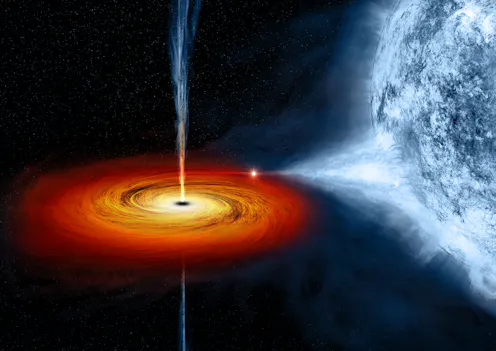
A sudden flare and cooling of gas around a black hole has enabled astronomers to measure the magnetic field of a black hole for the first time – finding it much weaker than expected.
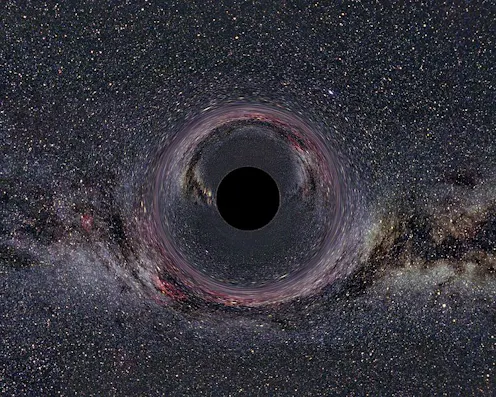
The first ever picture of the Milky Way’s black hole is expected to be a bright crescent shape rather than a disk.
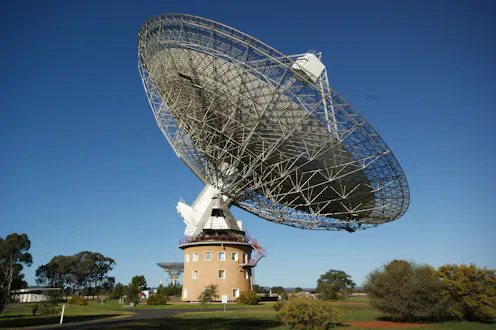
New studies take us a whole lot closer to understanding what fast radio bursts are.
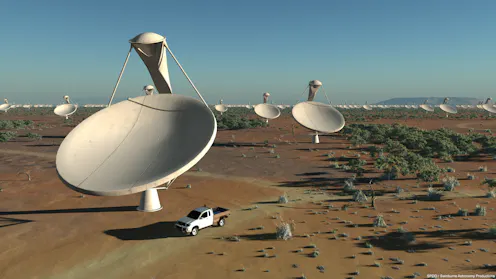
A technological revolution in astronomical observations could be the key to understanding the perplexing phenonenon known as ‘fast radio bursts’ from outer space.
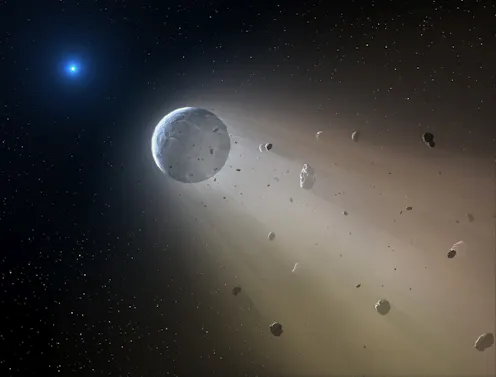
A study into a distant white dwarf could help us learn more about the future fate of the Earth – and it could be a violent one.
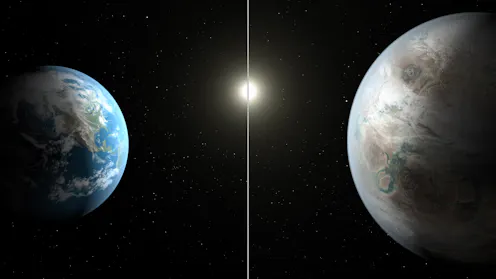
A new exoplanet has been discovered that is a lot like Earth.
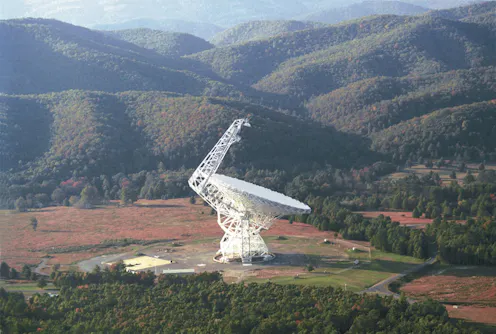
The $100m project to search for aliens will help save observatories from closure and could lead to new astrophysical discoveries.
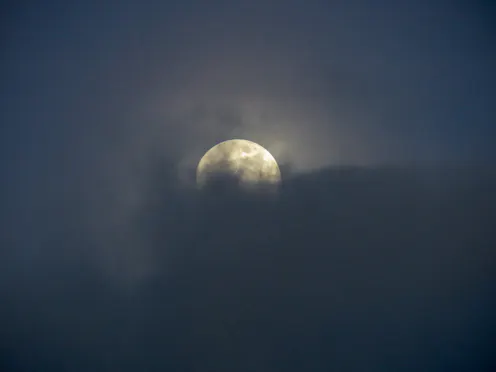
Scientists have discovered a huge, elongated cloud of dust over the moon, caused by high-speed bombardment by particles from comets.
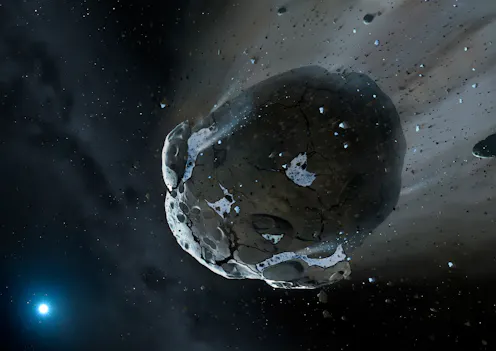
The discovery of a white dwarf star with hydrogen and oxygen in its atmosphere suggests water could be planted on stars and planets by bodies like asteroids.
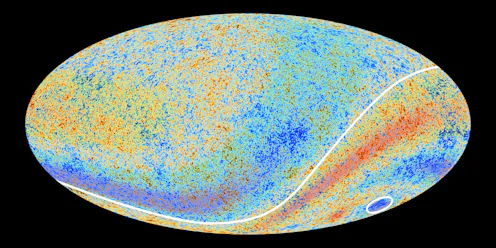
Astronomers have found a giant void in space that explains a mysterious cold spot in the sky. But the search is already on for other voids – and finding them could undermine the discovery.
Contact Carole for
- General
- Media request
- Speaking request
- Consulting / Advising
- Research collaboration
- Research supervision
- Location: Bath, UK
- Website
- X (formerly Twitter): @cgmundell
- Article Feed
-
- Joined
