
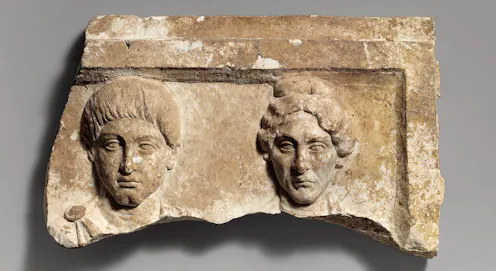
On Old Age, the Roman politician, orator, and philosopher Cicero advocates for the dignity and value of growing old. But his is a voice of privilege, which discounts women and the enslaved.
- Professor of Classics and Head of the Centre for Classical Studies, Australian National University
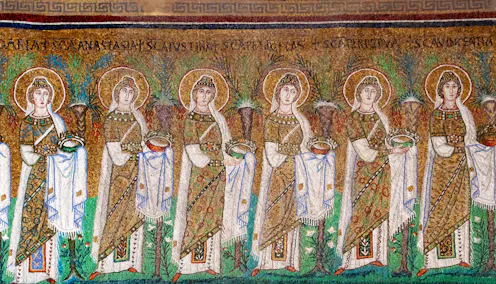
Perpetua was still breastfeeding her baby son when she was thrown in jail by Roman authorities. A Latin text movingly describes her suffering.
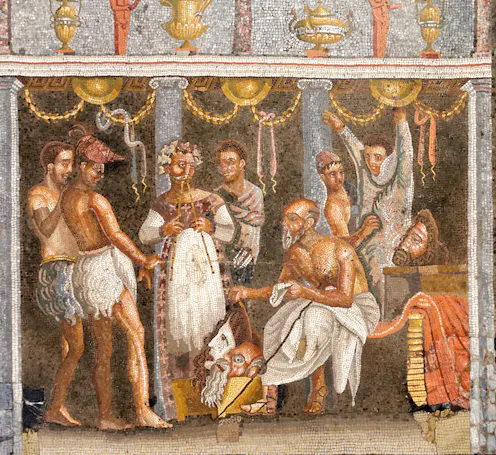
Collecting choice Latin lines is easy – the difficulty is trying to work out what they add up to. And women, in particular, come off badly in this collection of Latin’s greatest hits.
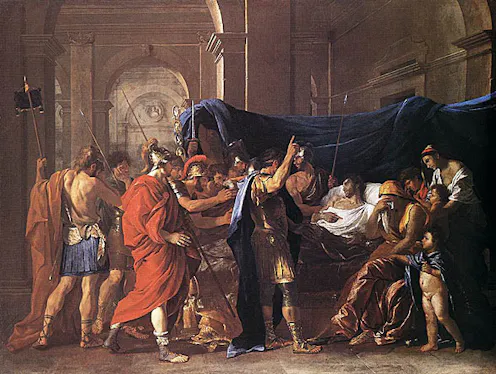
Tacitus’ Annals is a powerful and darkly humorous examination of imperial Rome. Though his work was little read in the Roman world, it has influenced great thinkers such as Hobbes and Montesquieu.
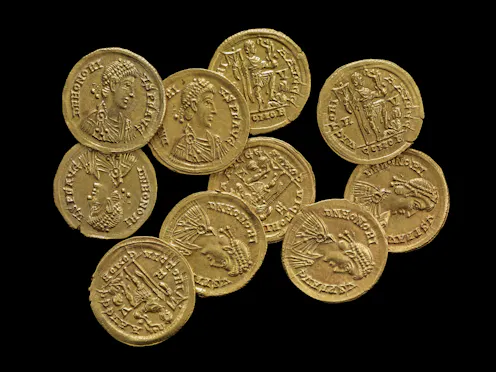
A major exhibition of treasures from ancient Rome presents a distinctly old-fashioned tale of the empire’s rise and expansion, which is out of step with contemporary scholarly thinking.
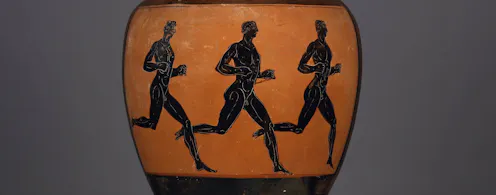
The idea that the athletic contests – held in honour of the Greek god Zeus for over a thousand years – were shut down by a puritanical Christian emperor makes for a good story. But is it true?
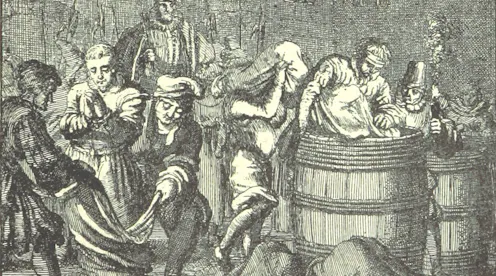
From being thrown off a cliff to being sewn into a sack with animals, ancient Rome is notorious for its cruel and unusual punishments. But we must be careful what we take as historical fact.

If you’ve ever wondered why our 12-month year ends with names that mean the seventh, eighth, ninth, and tenth months, you can blame the Romans.

Janus, chez les romains, était le dieu de la transition – des fins, des commencements, des entrées, des sorties, et des passages.

On January 1, we consider the origins of Janus, after whom this month is named.

Suetonius’s unforgettable tales of sex, scandal, and debauchery have ensured that his writing has played a significant role in shaping our perceptions of imperial Rome.
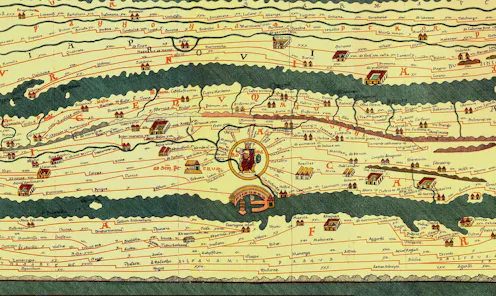
Today the phrase ‘all roads leads to Rome’ means that there’s more than one way to reach the same goal. But in Ancient Rome, all roads really did lead to the eternal city, which was at the centre of a vast road network.
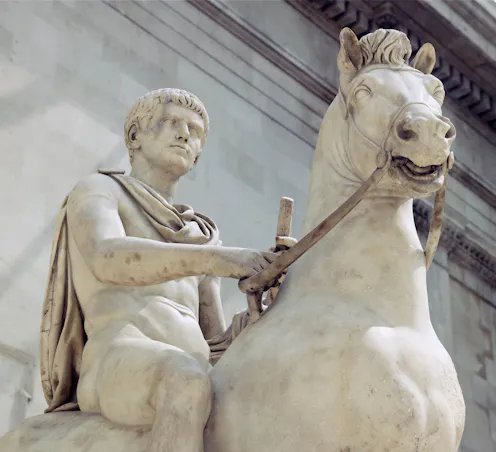
The emperor Caligula lavished attention on his favourite horse Incitatus, holding parties for friends in the steed’s grand stables. But did he make his horse a consul?
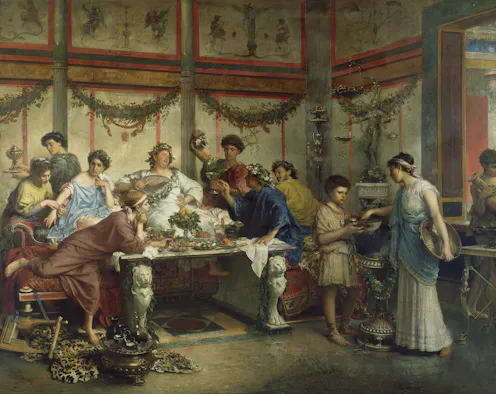
Roman decadence reached its peak with the vomitorium: a room where feasting elites threw up to make room for more food. Or so the story goes …
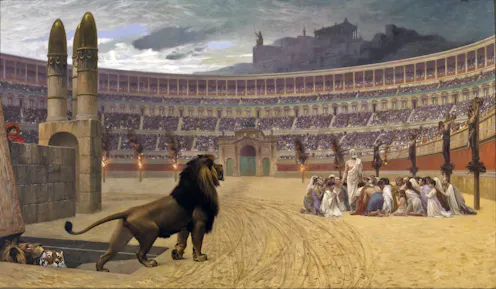
The image of cowering Christians being thrown to the lions by Roman emperors is a grisly staple of popular culture. But how accurate is it?
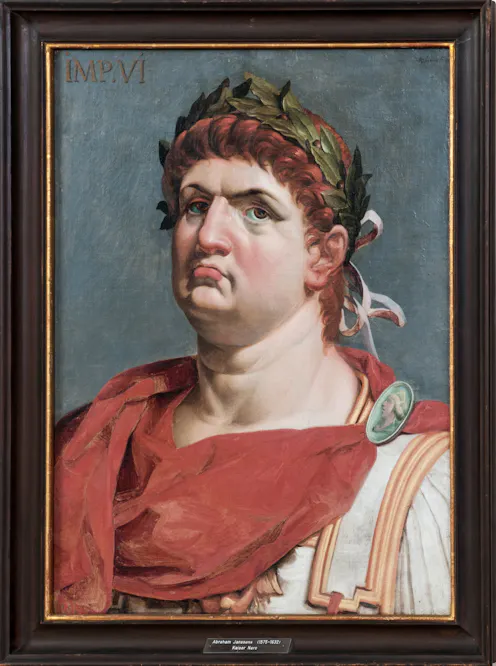
The image of a crazed and capricious Emperor Nero is immortalised in popular culture: from fiddling while Rome burns to having a sexual relationship with his mother. The historical evidence, however, is rather different.

Some parents have been horrified to discover that, in Harper Lee’s new book, Atticus Finch – long admired as a paragon of virtue – is a racist. Why? Because their kids are named after him. So, what now?
Contact Caillan for
- General
- Media request
- Speaking request
- Consulting / Advising
- Research collaboration
- Research supervision
- Location: Canberra
- Website
- X (formerly Twitter): @DrCDavenport
- Article Feed
- Joined
