

Adaptation and planned relocation are unaffordable for at-risk communities and tangata whenua. Government cost-sharing is essential.
- Professor in Natural Hazards Planning and Resilience, Te Kunenga ki Pūrehuroa – Massey University
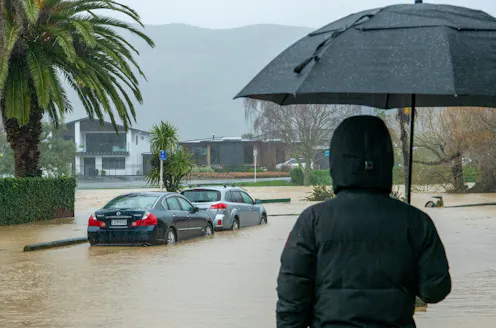
Climate change is a game changer and our disaster response is no longer sufficient. We must begin to address the underlying causes that make some communities more vulnerable than others.
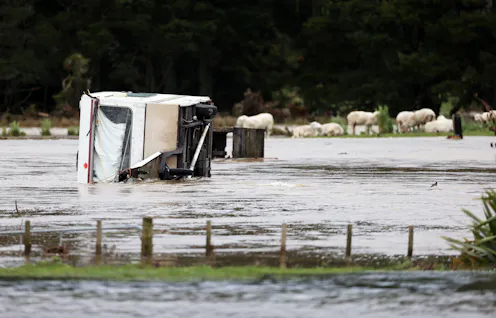
The people hardest hit by climate change are invariably those who are more vulnerable. We need to pay more attention to the root causes of vulnerability and address poverty and inequity.
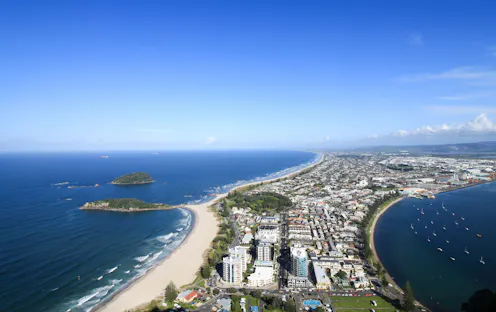
Globally, about a billion people living in coastal cities are at risk of climate hazards. The impacts go well beyond the coast and could affect us all, with disruptions to supply chains and trade.
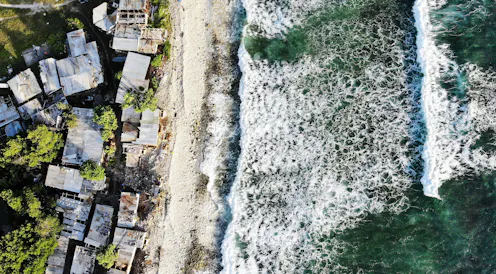
What should climate scientists do in the face of ever rising emissions? They could continue providing more evidence, join climate activists – or stop work in protest against government inaction.
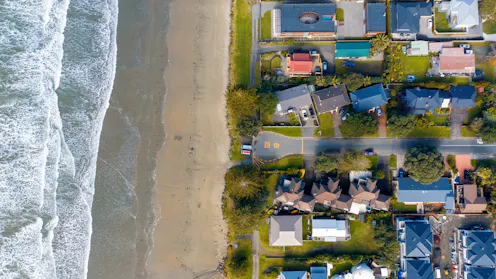
Putting affected people and communities at the centre of difficult relocation decisions must be a priority under laws that replace the old Resource Management Act.
Contact Bruce for
- General
- Media request
- Speaking request
- Consulting / Advising
- Research collaboration
- Research supervision
- Website
- Article Feed
- ORCID
- Joined
