
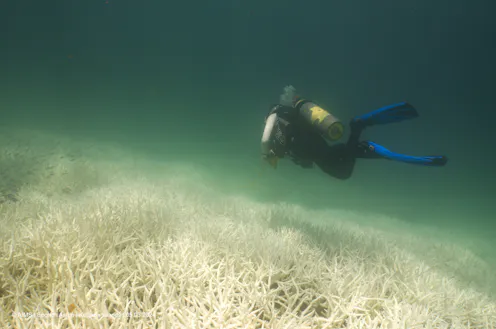
O primeiro evento de branqueamento global ocorreu em 1998 e o quarto está em andamento. Até que reduzamos as emissões que provocam o aquecimento global, a pressão sobre os recifes de coral só vai aumentar
- Manager International Partnerships and Co-ordinator of the Global Coral Reef Monitoring Network (GCRMN), Australian Institute of Marine Science
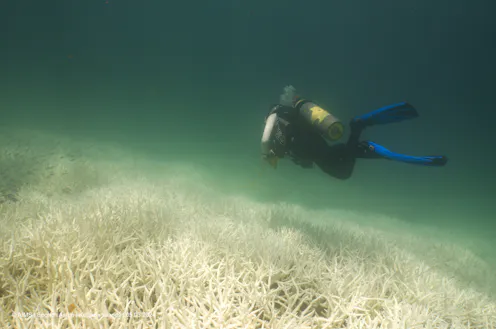
The first global bleaching event was in 1998 and the fourth is now under way. Until we curb the emissions driving global warming, the pressure on coral reefs will continue to increase.
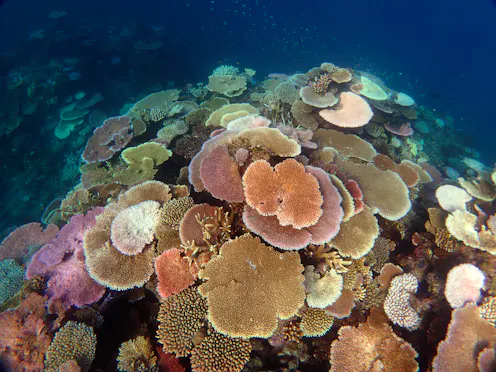
Corals on the Great Barrier Reef that are tolerant to warmer waters can be used to help repair other parts of the reef damaged by recent coral bleaching events.
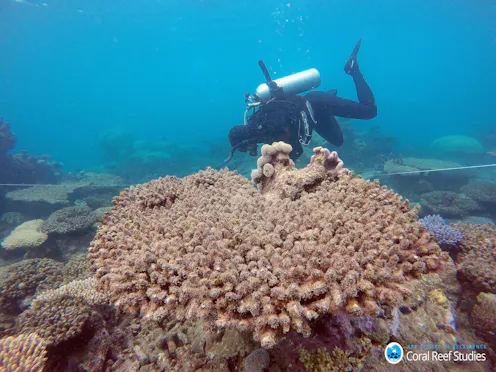
Two-thirds of the corals in the northern part of the Great Barrier Reef have died on in the reef’s worst-ever bleaching event, according to the latest underwater surveys.
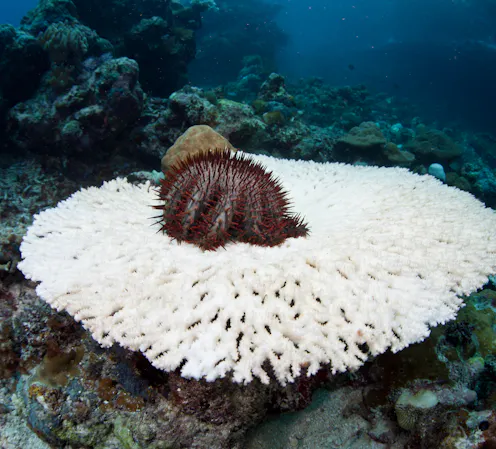
To fix pollution on the Great Barrier Reef, some farming practices will have to change.
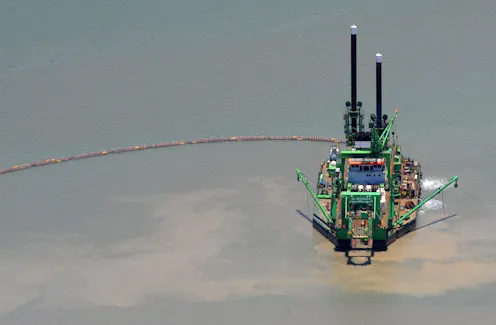
A new report aims to establish exactly what we do and don’t know about the effects of dredging on the Great Barrier Reef, and suggests that managing fine sediments will be one of the biggest challenges.
Contact Britta for
- Media request
- Consulting / Advising
- Research collaboration
- Location: Townsville, Australia
- Website
- Article Feed
- Joined
