
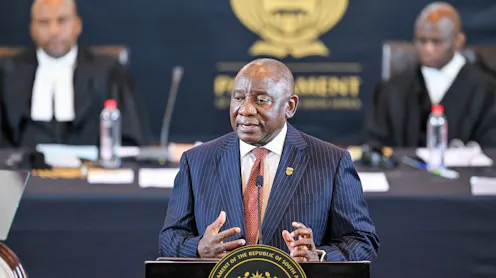
South Africa’s government of national unity was built on a foundation of pragmatism. Failure would be bad for the country.
- Professor of the Practice of International Development, Johns Hopkins University
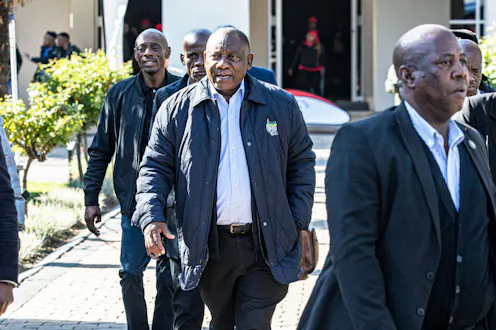
In the wake of South Africa’s electoral surprises and their aftermath, a new dawn of hope may just be possible.
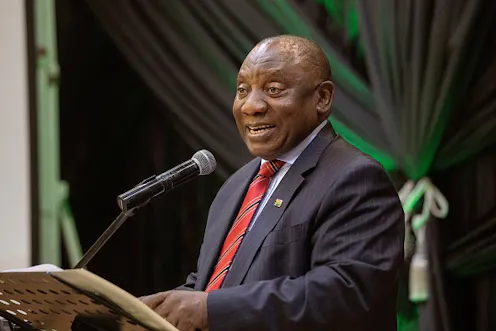
South Africa’s public sector works somewhat better than those of most other middle-income countries. Yet, unlike them, it has not managed to achieve gains in the midst of messiness.
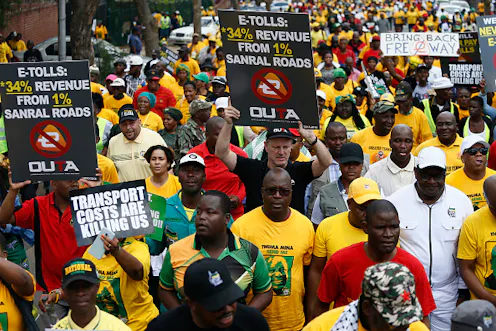
In this moment of crisis, South Africa urgently needs decisive action. But all too often South Africans of all political stripes seem trapped in stale discourses.
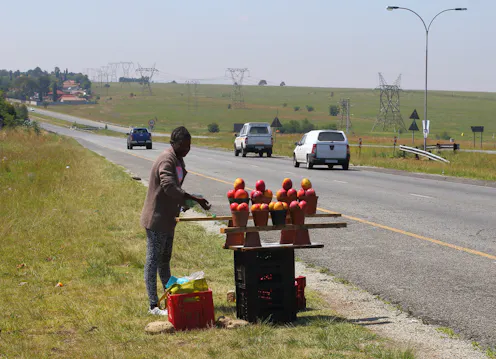
Half of South Africa’s population remain chronically poor, and the quarter in-between struggle to stay out of reach of destitution.
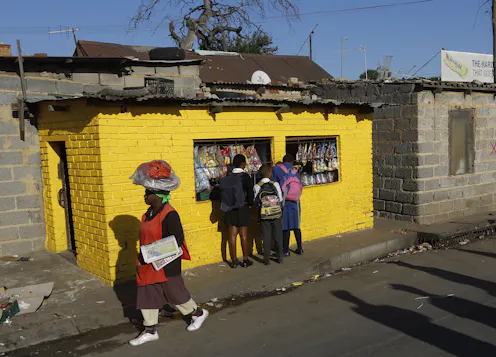
The majority of South Africans are separated from the wealthy and formal-sector employed minority.
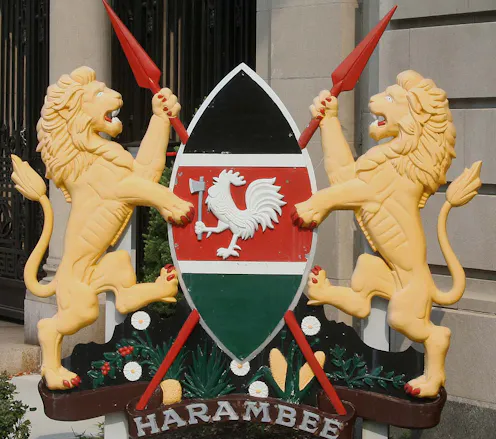
Kenyans believe that fixing education is not someone else’s task or someone else’s failure.
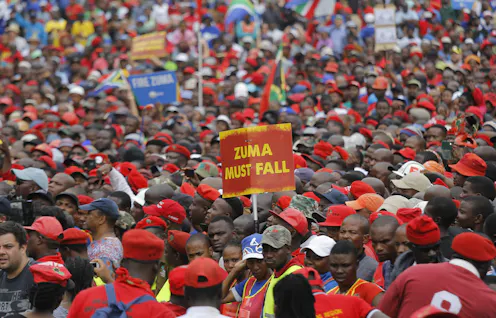
On both economic and political dimensions South Africa potentially has a long way further to fall from its current messy institutional realities.
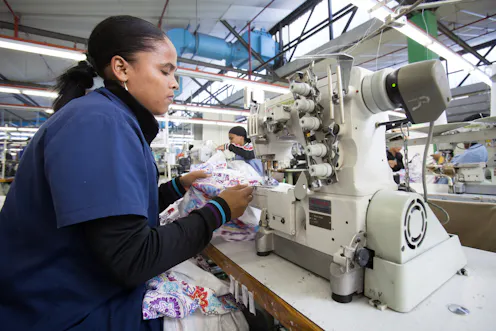
South Africa’s inequality levels are stark. The rich are super rich, the poor very poor. There’s a gaping hole in the middle and this is the greatest threat to stability.
Contact Brian for
- General
- Media request
- Speaking request
- Consulting / Advising
- Research collaboration
- Research supervision
- Location: Cape Town, South Africa
- Website
- Article Feed
- Joined
