
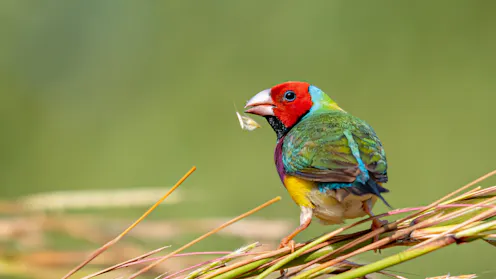
A new report reveals the perilous state of nature in the Top End of the Northern Territory. Here’s how to arrest the decline of threatened species and habitat.
- Professor of Ecology, Charles Darwin University
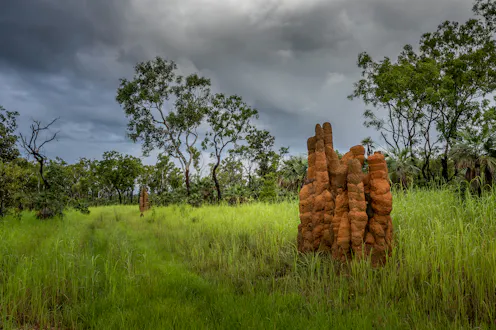
Hungry for development and industry investment, the Northern Territory government is putting one of the world’s last intact tropical ecosystems at risk. Scientists are calling for better protections.
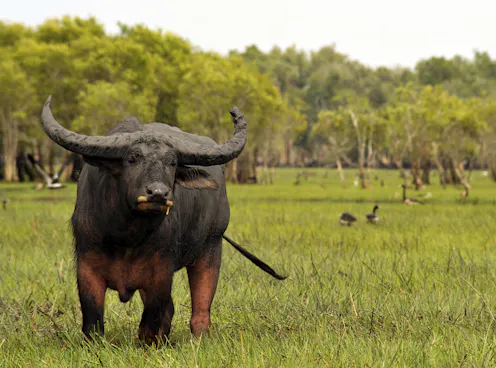
Culling water buffalo is expensive. What if land managers could earn carbon credits for controlling the numbers of these methane-belching animals?
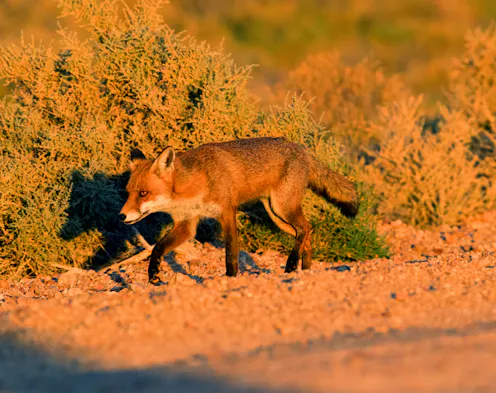
In some regions, foxes kill at least 1,000 animals per square kilometre every year.

Small mammals in northern Australia have been rapidly vanishing for the last 30 years, and scientists weren’t sure why. Now, a major new study found feral livestock are largely to blame.
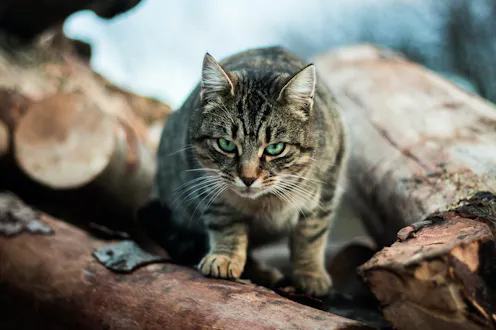
Roaming pet cats kill 390 million animals per year in Australia. Most of the animals are native to Australia.
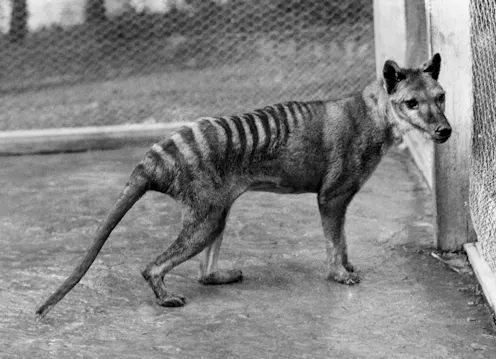
New research has revealed 100 plant and animal species have become extinct in the past two centuries – a far higher number than previously thought.

The average Australian feral cat kills 225 reptiles a year, which adds up to 596 million in total, according to a new estimate. Pet cats, meanwhile, kill a further 53 million.
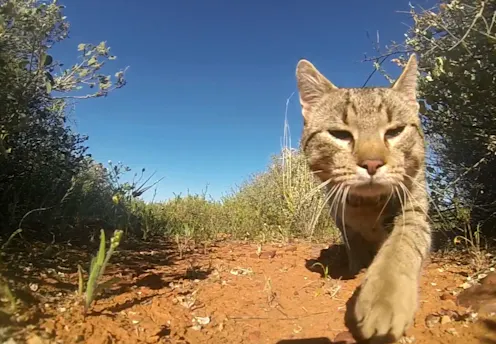
For the first time, researchers have estimated the toll taken by feral and pet cats on Australia’s bird life - and the numbers are high enough to push several species towards extinction.
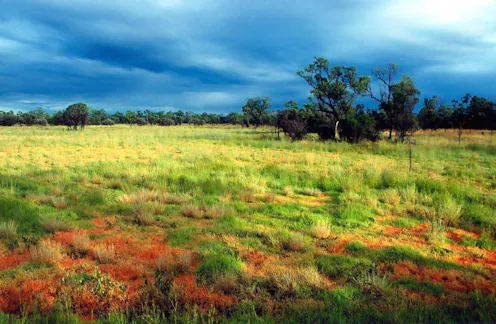
Australia’s Great Northern Savannas are the largest and most intact ecosystem of their kind on Earth. But they still face pressure from grazing, mining and agricultural expansion.
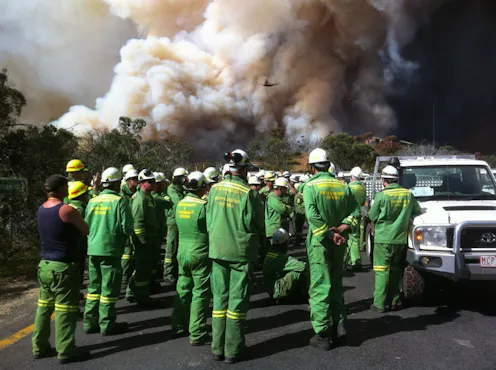
The scale and impact, both economic and ecological, of recent bushfire disasters demands a rethink of fire management strategies. A controversial approach receiving more attention internationally is the…
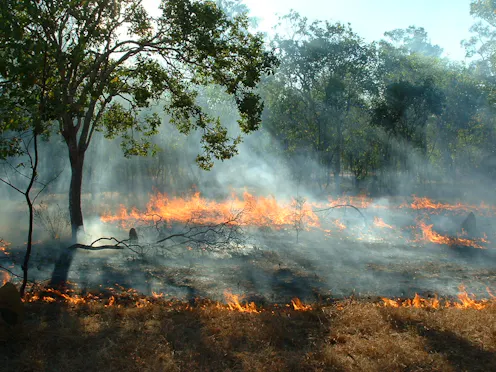
Fire and biodiversity have a complex relationship in northern Australia. Tim Flannery and others blame the current northern biodiversity crisis, at least in part, on changed fire regimes. Improving fire…
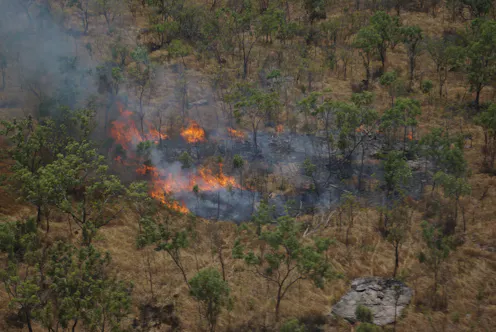
Conservationists should take heart that Australia is finally waking up to the biodiversity crisis in Australia’s north. It is an urgent problem: right now, a diverse assortment of our small mammals – bandicoots…
Contact Brett for
- General
- Media request
- Speaking request
- Consulting / Advising
- Research collaboration
- Research supervision
- Location: Darwin, Australia
- Website
- X (formerly Twitter): @brettpmurphy
- Article Feed
- ORCID
- Joined
